Outdoor signage
guide & tips
Expert tips for designing signage that lasts
Outdoor signage does more than identify a location. It shapes first impressions, supports navigation, reinforces brand, and helps people feel confident in unfamiliar spaces.
Whether installed within public realm schemes, heritage environments, visitor attractions, commercial estates or education campuses, exterior signs need to perform in challenging real-world conditions. Weather, light, footfall, vandalism, accessibility and long-term maintenance all influence whether a scheme succeeds.
The most effective outdoor signage balances clarity, durability and contextual design, ensuring signs remain legible, relevant and visually appropriate for years to come.
Here’s our practical guide to designing outdoor signs that stay durable and effective long after installation.
Start with purpose,
Not just placement
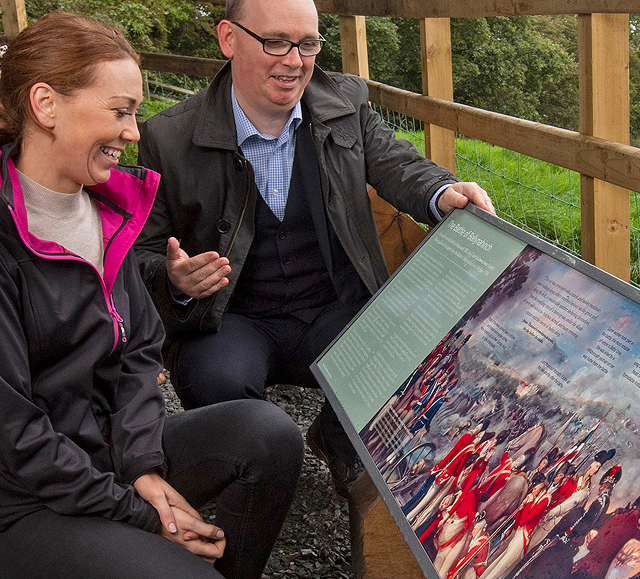
Interpretation panels inform, engage and educate visitors, creating a more immersive experience through visuals and storytelling. They explain the significance, context and meaning of a place – whether that’s a historic landmark, a natural habitat or a cultural attraction.
Interpretation panels are widely used in heritage settings, nature reserves and conservation areas to highlight the unique features of a landscape, ecosystem or structure. They help visitors understand why a place matters, not just what they’re looking at.
Designing effective interpretation signage starts with defining the audience. Consider age range, level of knowledge and how much time people are likely to spend reading. The best panels strike a balance between clarity and depth, ensuring content is accessible without being oversimplified. A well-designed interpretation sign can transform a passive visit into a memorable experience.
Design for the environment
Outdoor signage must respond directly to its surroundings. The two most common formats are wall-mounted panels and freestanding boards, and the right choice depends on the setting.
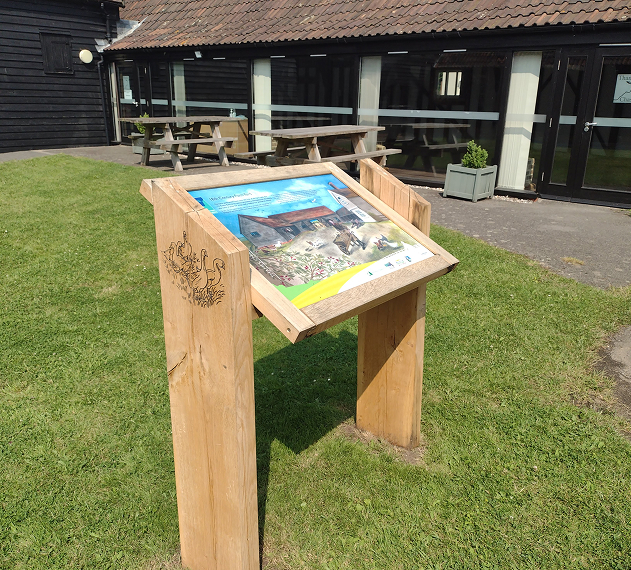
Freestanding interpretation boards are often best suited to open environments such as parks, trails and conservation areas. These require robust, weather-resistant materials and tamper-proof construction to withstand year-round exposure.
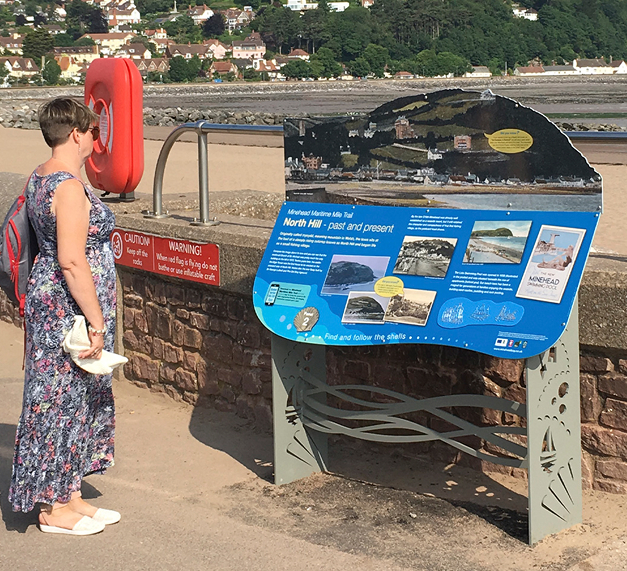
Wall-mounted panels are ideal for urban or built environments, including museums, heritage buildings and public venues, where signage can integrate with existing structures.
In both cases, consider factors such as sunlight exposure, prevailing weather conditions, drainage and ground stability. Materials, finishes and fixings should all be selected with longevity in mind.
Prioritise legibility at a distance
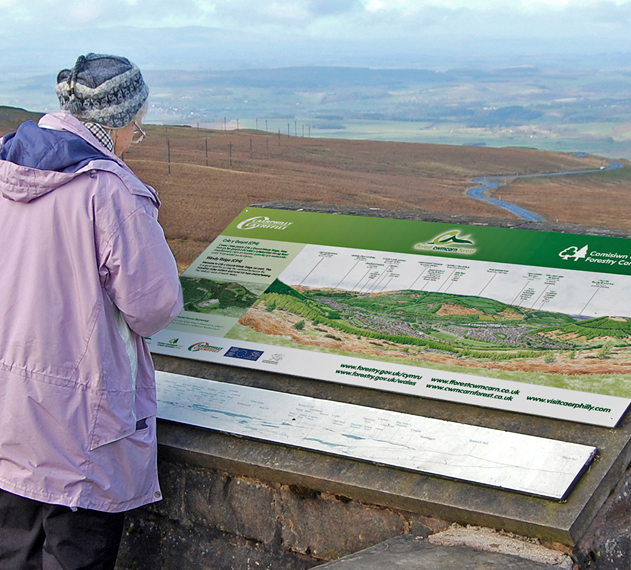
Outdoor signs are rarely viewed in perfect conditions. People may be walking, cycling or viewing from a distance, often in variable light.
Clear typography, strong contrast and well-structured layouts are essential. Use font sizes appropriate to viewing distance, avoid overly decorative typefaces and ensure there is sufficient contrast between text and background.
Hierarchy matters – headings, subheadings and body text should guide the reader through the content. Good legibility ensures your message is understood quickly and effortlessly.
Make it accessible for everyone
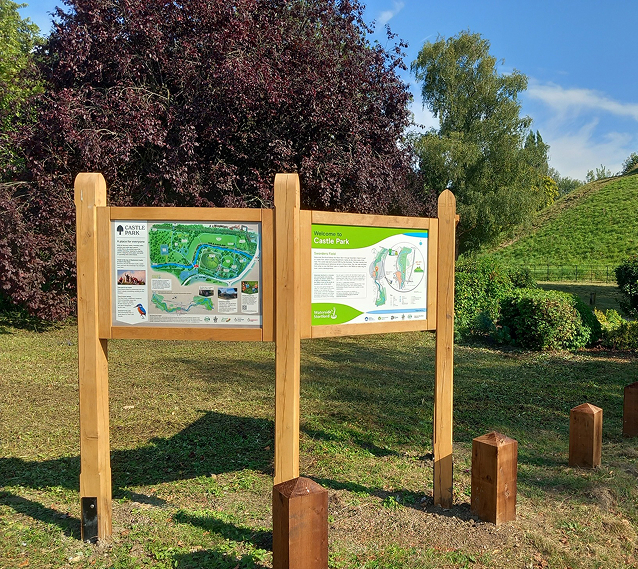
Inclusive design should be a core consideration, not an afterthought. Signage should be usable by as many people as possible, regardless of age or ability.
This includes using plain language, avoiding jargon and incorporating visual cues such as icons or illustrations. Consider colour contrast for visually impaired users, as well as positioning signs at appropriate heights and angles for wheelchair users.
In some cases, tactile elements, braille or QR codes linking to audio content can further enhance accessibility and engagement.

Think long-term: Maintenance
and lifecycle
A sign that looks great on installation day but deteriorates quickly will undermine the overall scheme.
Choose materials that are proven to withstand outdoor conditions – UV-stable inks, anti-graffiti coatings, corrosion-resistant metals and durable laminates. Consider how easily panels can be cleaned, repaired or updated if content changes over time.
Planning for maintenance from the outset helps reduce long-term costs and ensures signage continues to perform as intended.
Respect place and architecture
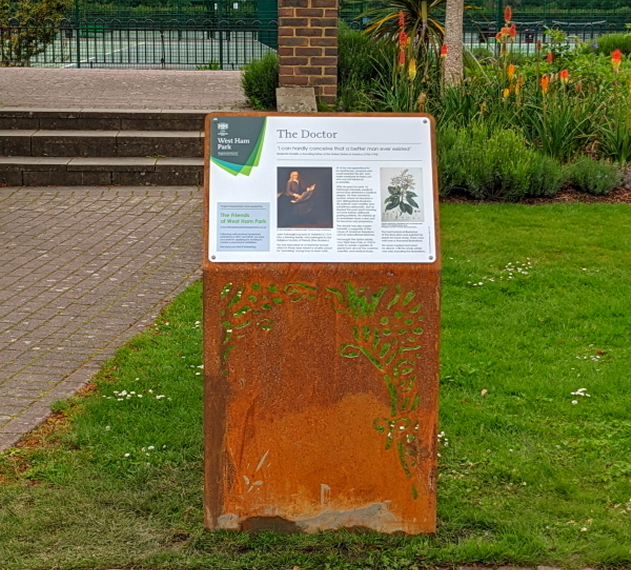
Successful signage feels like a natural part of its environment. In sensitive settings – particularly heritage sites or architecturally significant locations – design should complement rather than compete.
This might mean selecting sympathetic colours, materials or finishes, and aligning the visual style with the surrounding architecture or landscape.
Contextual design not only enhances aesthetics but also helps build trust and credibility with visitors.
Plan for vandalism and wear
In high-footfall or unsupervised areas, signage may be exposed to vandalism or accidental damage.
Design strategies can include using anti-graffiti coatings, robust materials, concealed fixings and impact-resistant surfaces. Positioning signs in well-lit, visible areas can also help deter misuse.
Considering these risks early ensures signage remains presentable and functional over time.
Do you need planning permission for outdoor signage?
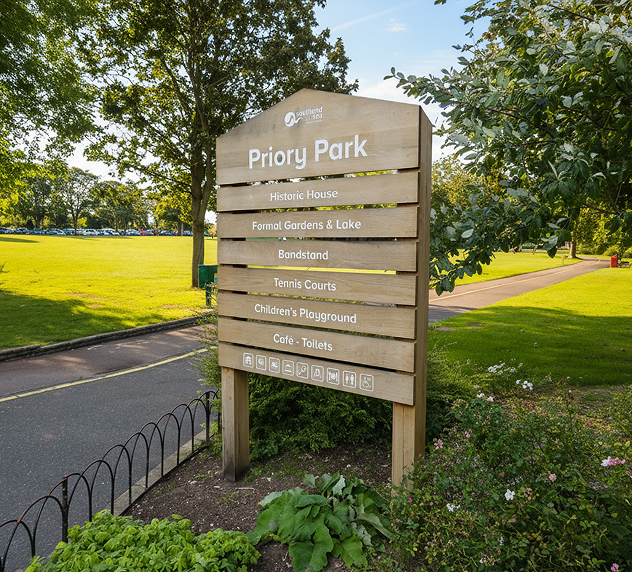
Depending on the location, outdoor signage may require planning permission or consent – particularly in conservation areas or on listed buildings.
It’s important to check local regulations, accessibility standards and any site-specific guidelines before finalising designs.
Early engagement with planning authorities or stakeholders can help avoid delays and ensure compliance.
Frequently
asked questions
Why choose Fitzpatrick Woolmer?
Clients choose Fitzpatrick Woolmer because we offer a genuinely end-to-end service for outdoor signage, wayfinding and interpretation projects. We combine consultancy, design, manufacture and installation, helping clients manage complex projects through one experienced team.
We have been established since 1995 and work across the UK on projects for public sector organisations, private businesses and other site operators. Our in-house capabilities cover signage design, interpretation, illustration, mapping, manufacture and installation, so we can support both straightforward orders and more specialist schemes.
Do you work across the UK?
Yes. We regularly undertake projects throughout the UK and Northern Ireland, including design, manufacture and installation support for outdoor signage, wayfinding and interpretation projects.
Do you work with public sector, private sector and trade customers?
Yes. Fitzpatrick Woolmer works across a wide range of sectors and supplies public sector organisations, private businesses, trade customers, designers and specifiers. We regularly support projects ranging from individual signs to larger signage and wayfinding schemes.
How are your outdoor signs installed?
Most products are supplied with assembly information, but the final installation method should always reflect the site conditions and the ground type. Recommended in-ground depths and related technical information are available in our downloads area.
If you would like us to manage installation, we can also provide site surveys and installation support as part of the project.
What makes Fitzpatrick Woolmer signage a more sustainable choice?
Our sustainability approach is not based on one single claim. It includes practical actions such as using FSC-certified timber, promoting recyclable alternatives such as n-viro™ signboards, reducing waste through re-use and recycling, and reviewing how products and materials are sourced and used.
We also support longer product life through durable design, repair, maintenance and update options where appropriate, helping clients avoid unnecessary full replacements.
Let’s start a
conversation
We’d love to hear from you, let’s have a conversation about what we can do to help your signage needs.