Kerdiffstown Park was commissioned by Kildare County Council as part of the transformation of a former landfill site into a vibrant 30-hectare public park and community amenity. The project marked a major environmental regeneration effort, turning a once-industrial landscape into a welcoming space for recreation, education and biodiversity.
Fitzpatrick Woolmer was delighted to be appointed to develop a complete interpretation, branding and signage scheme for the park, helping translate a technically complex environmental remediation project into an engaging and accessible visitor experience that would connect people with the landscape and its story.
The brief
The challenge was to create a visitor experience that could communicate the environmental transformation of the site in a way that felt clear, positive and inspiring. Alongside practical wayfinding and orientation, the interpretation needed to explain themes including biodiversity, local history and landfill remediation in a format that was engaging for families, schools and the wider community.
Working across both Irish Gaelic and English, we developed a complete visitor communication strategy that brought together interpretation, placemaking and visual identity into one cohesive experience. The aim was not only to inform visitors, but also to create a strong sense of identity for the new park and celebrate its remarkable transformation.
Design principles
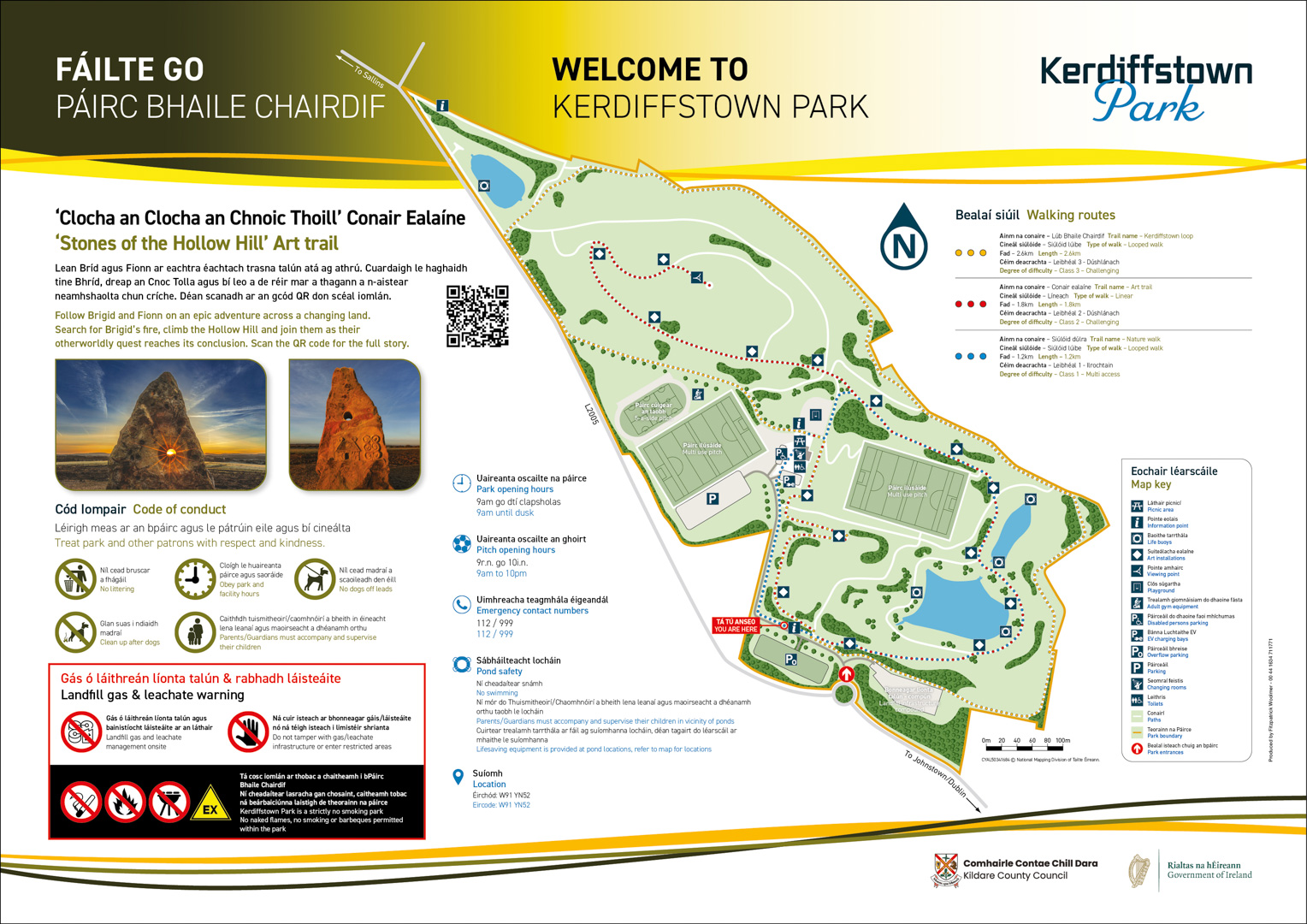
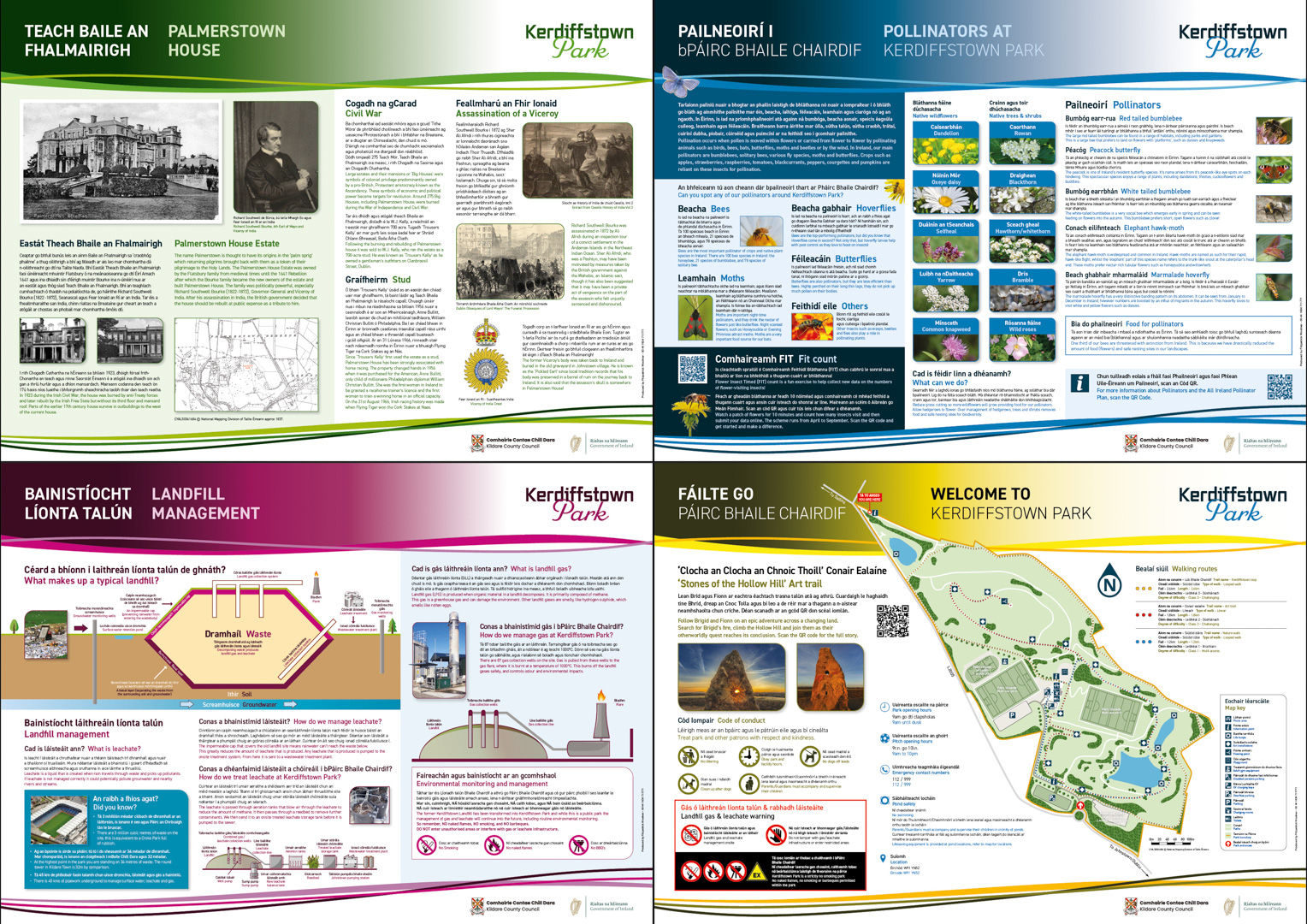
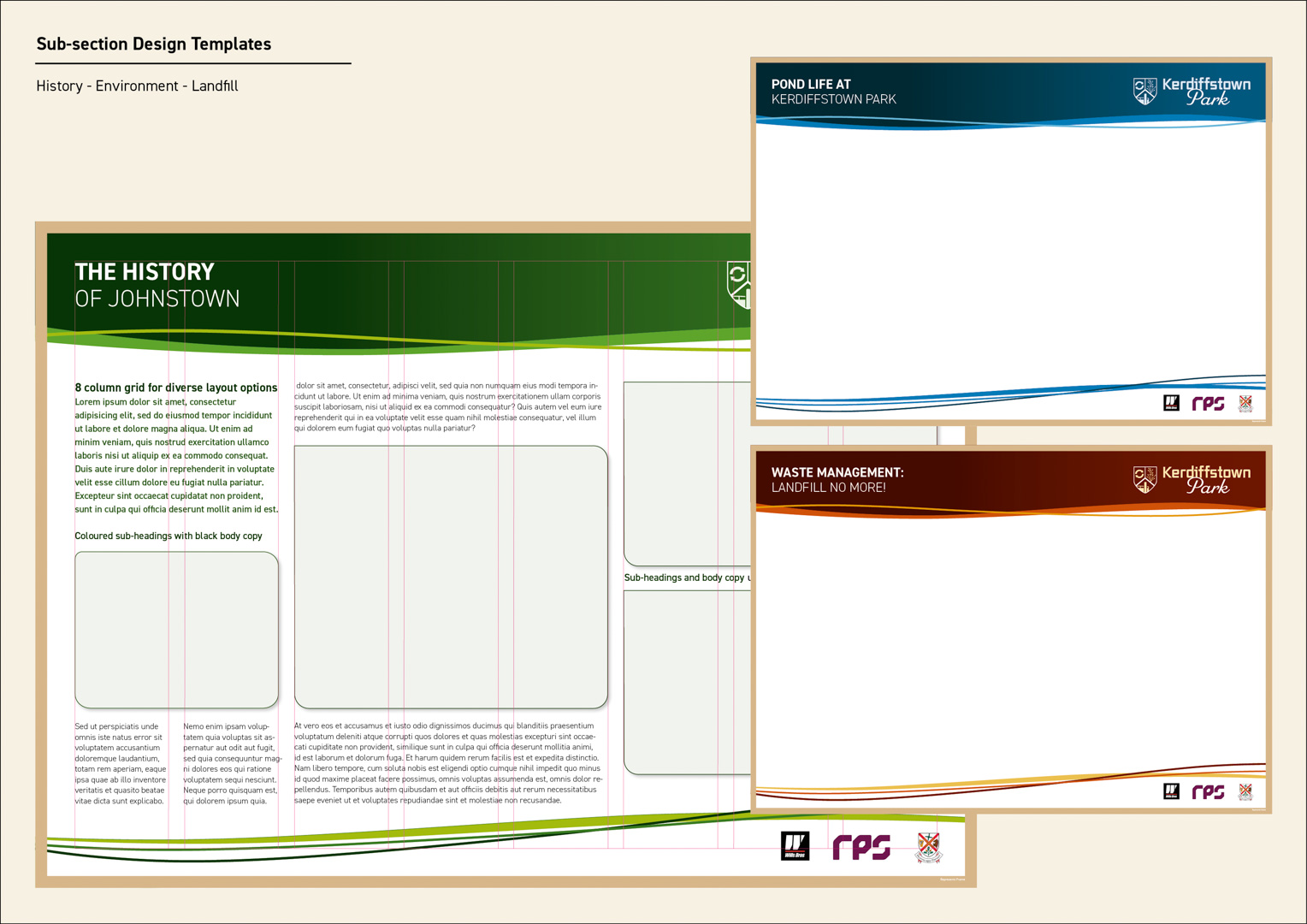
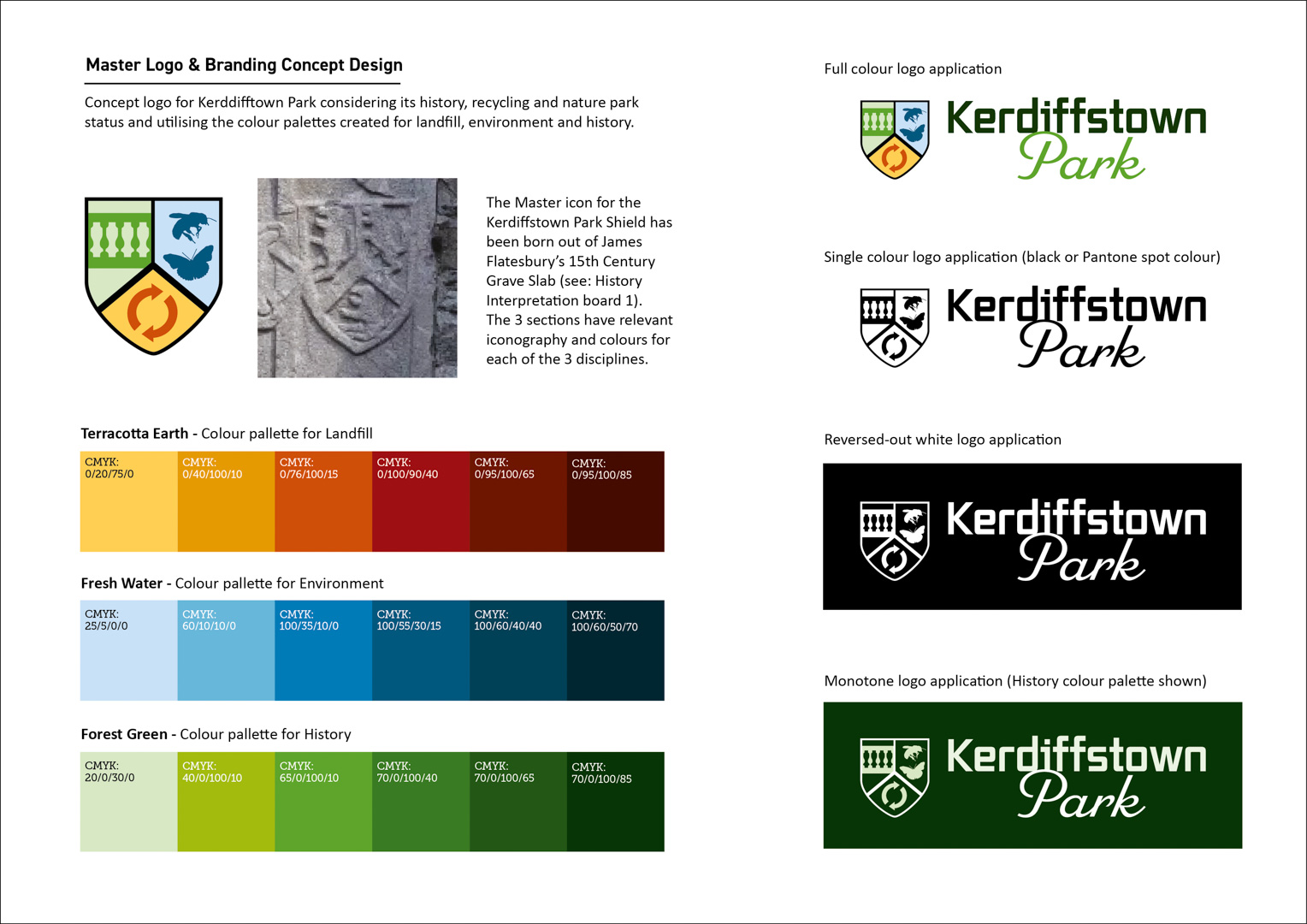
At the heart of the project was a desire to make environmental storytelling feel approachable, immersive and visually engaging. Fitzpatrick Woolmer created a fully bespoke visual identity for the park, including logo concepts, colour palettes and graphic templates that established a consistent family of signage while allowing different themes – such as biodiversity, heritage and landfill management – to be clearly distinguished throughout the site.
The branding drew inspiration from local heritage references and environmental narratives, helping the interpretation feel rooted in both place and purpose. A wide range of artistic styles and visual techniques were used to communicate information in ways that felt accessible and memorable for visitors of all ages.
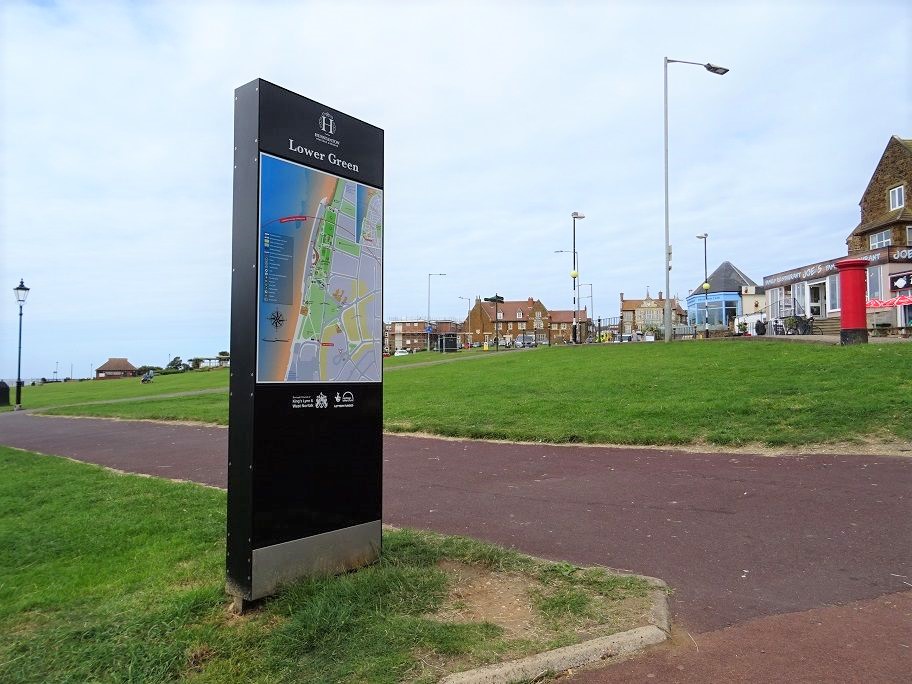
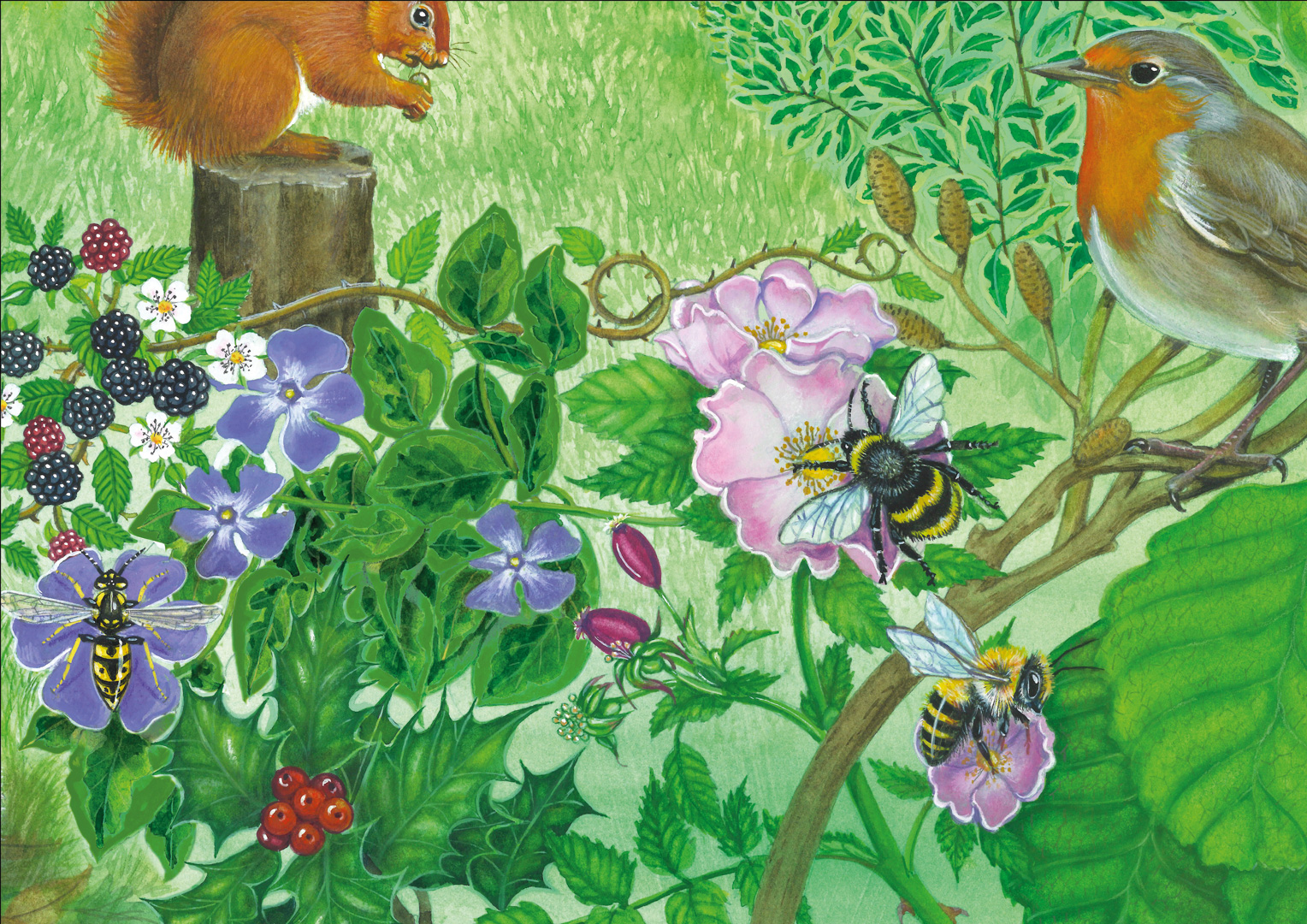
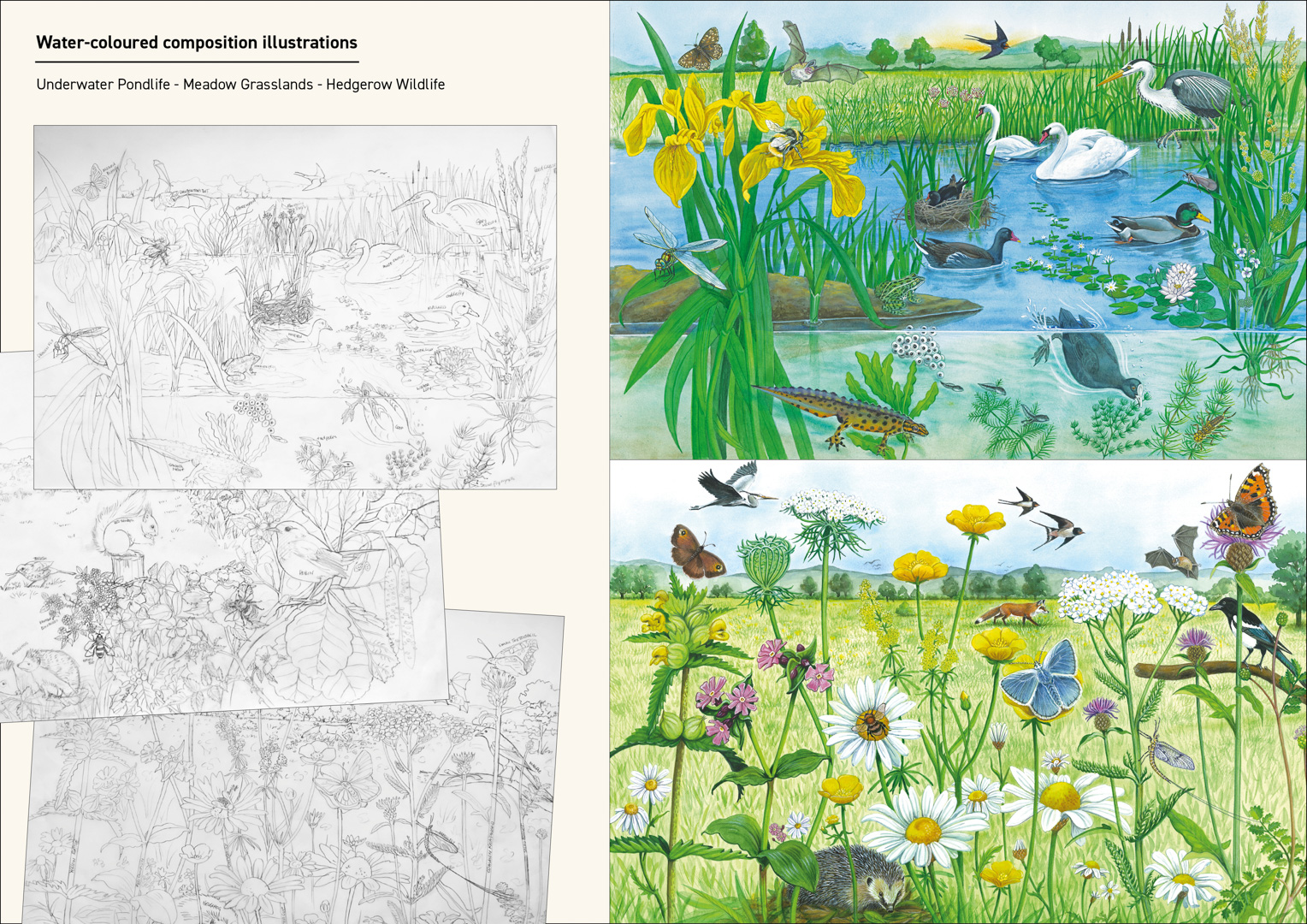
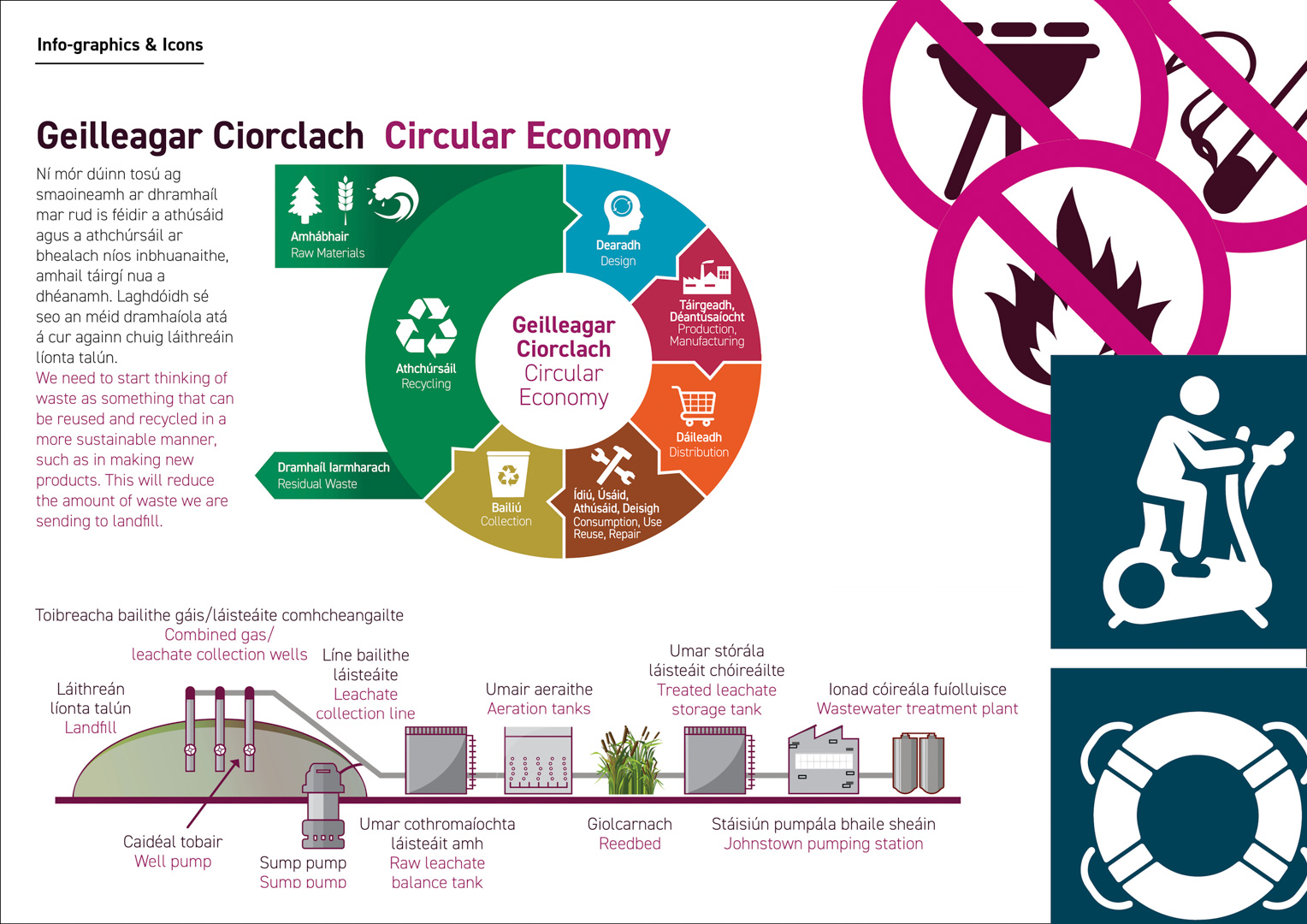
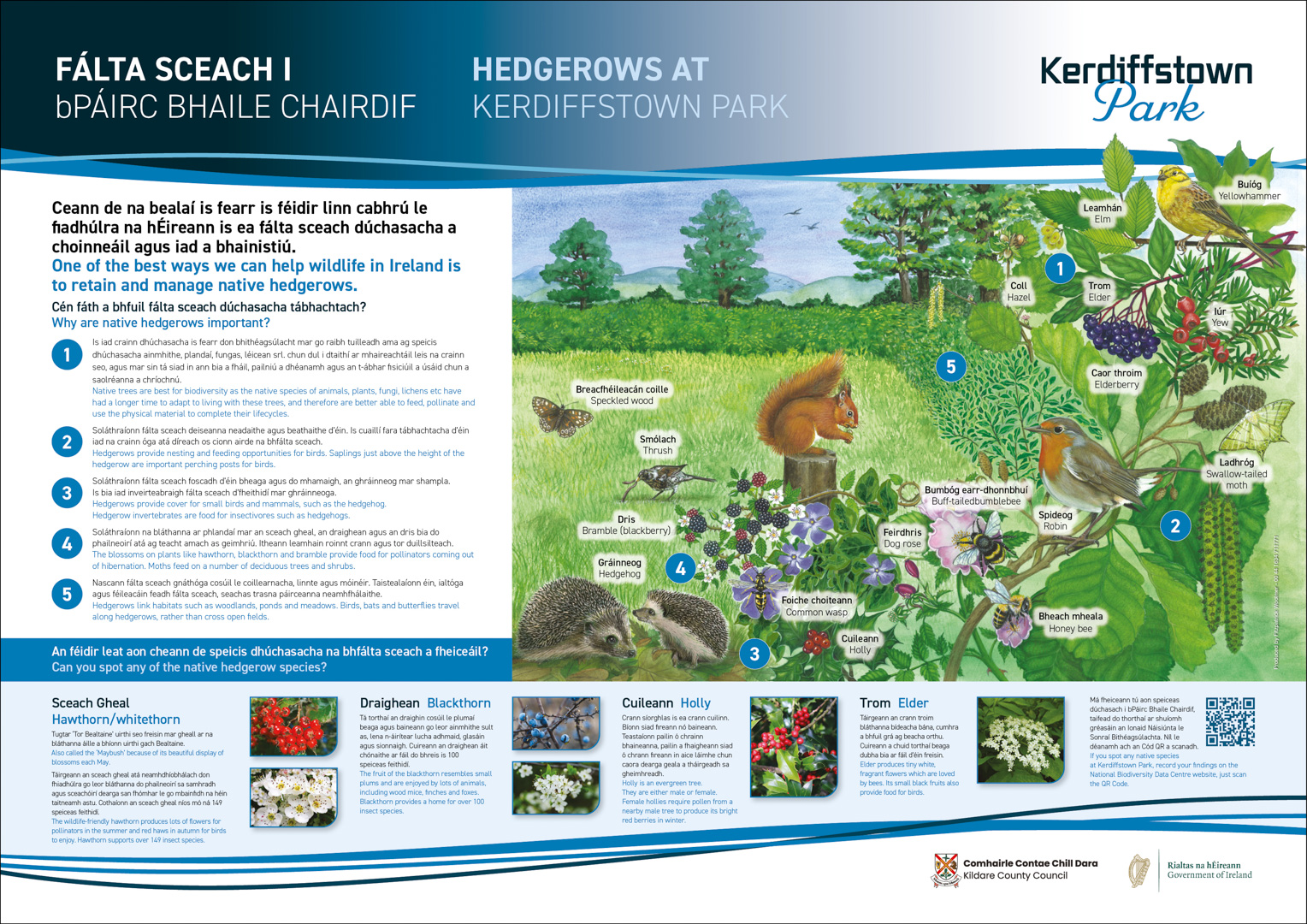
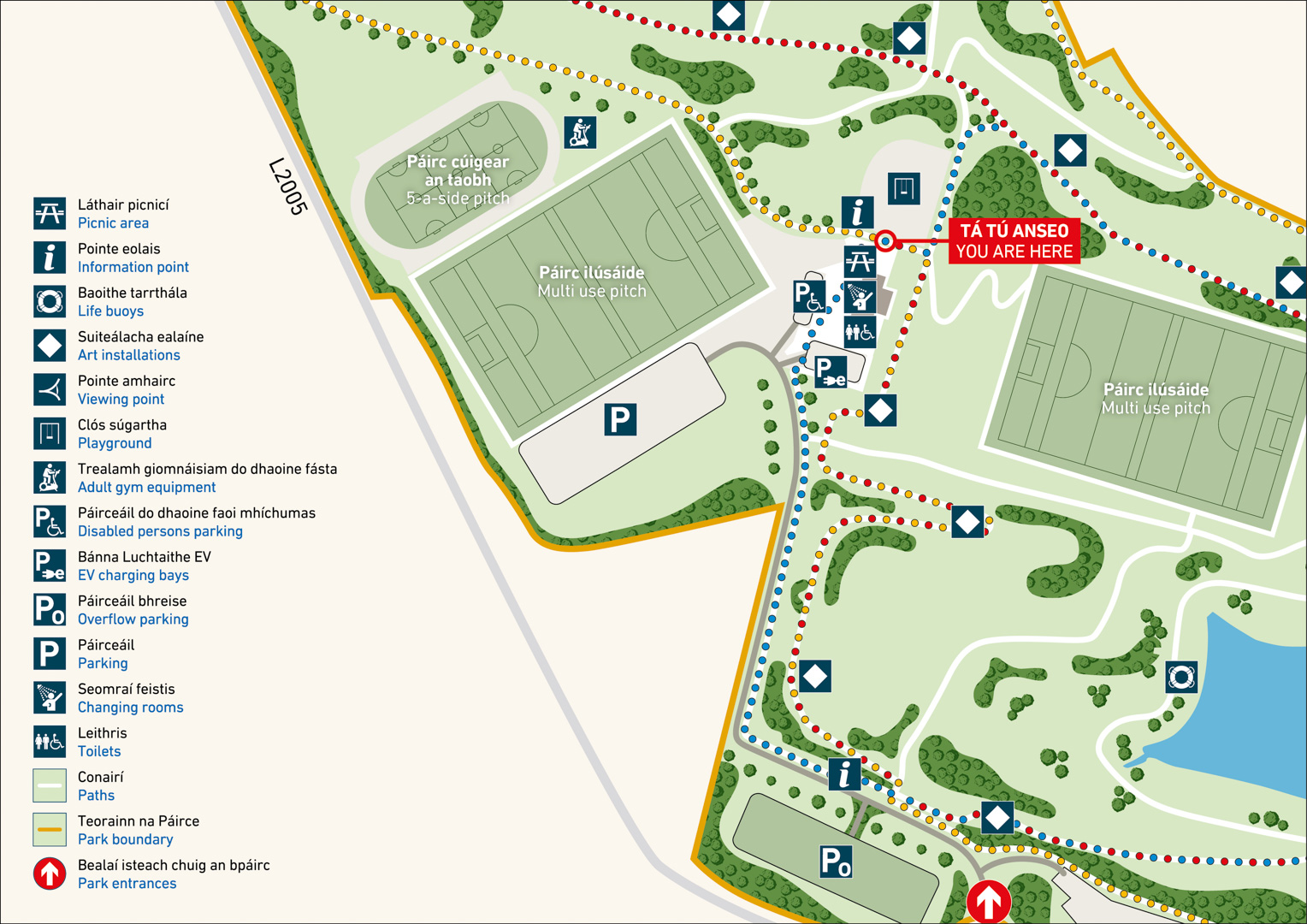
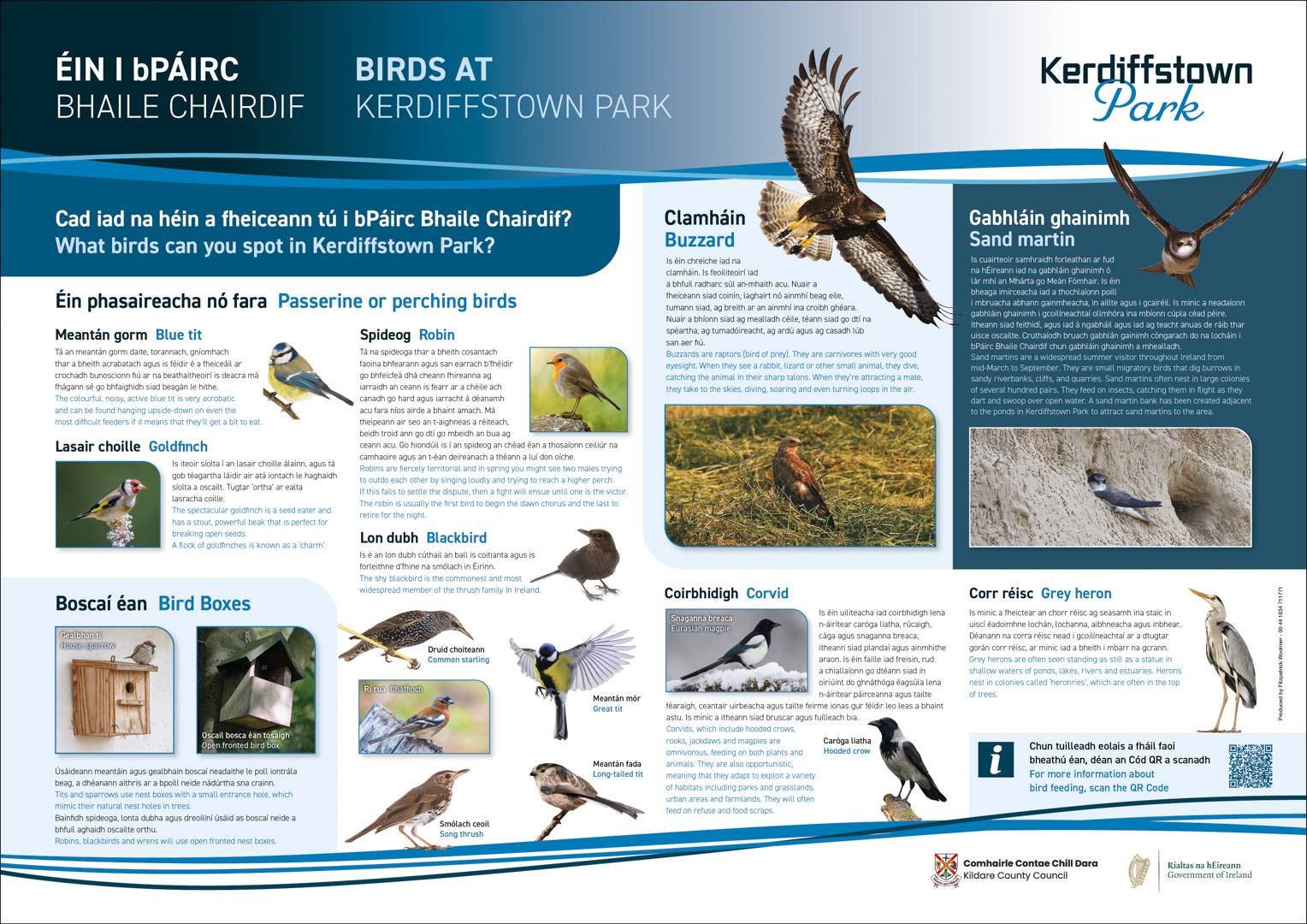
Detailed hand-drawn environmental illustrations brought the park’s wildlife and habitats to life, depicting local pollinators, birds, pond ecosystems and native species found on site. Alongside these, digitally illustrated orientation maps, trail graphics and infographic-style visuals were developed to explain more complex environmental engineering processes such as gas extraction, leachate treatment and long-term site remediation in a simple and approachable way.
Our approach
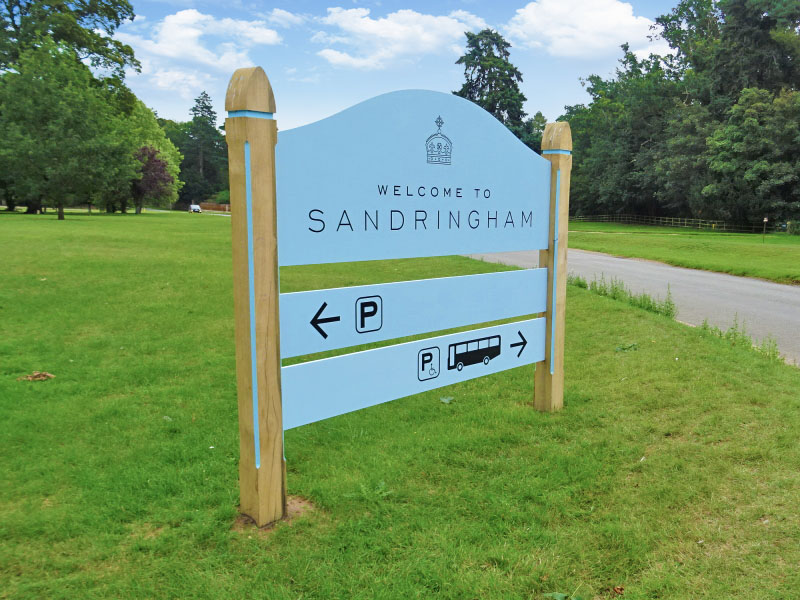
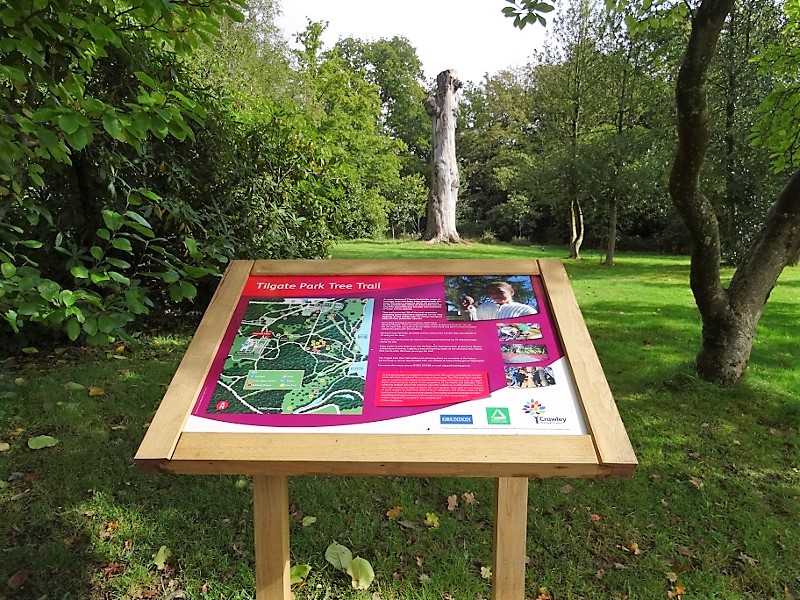
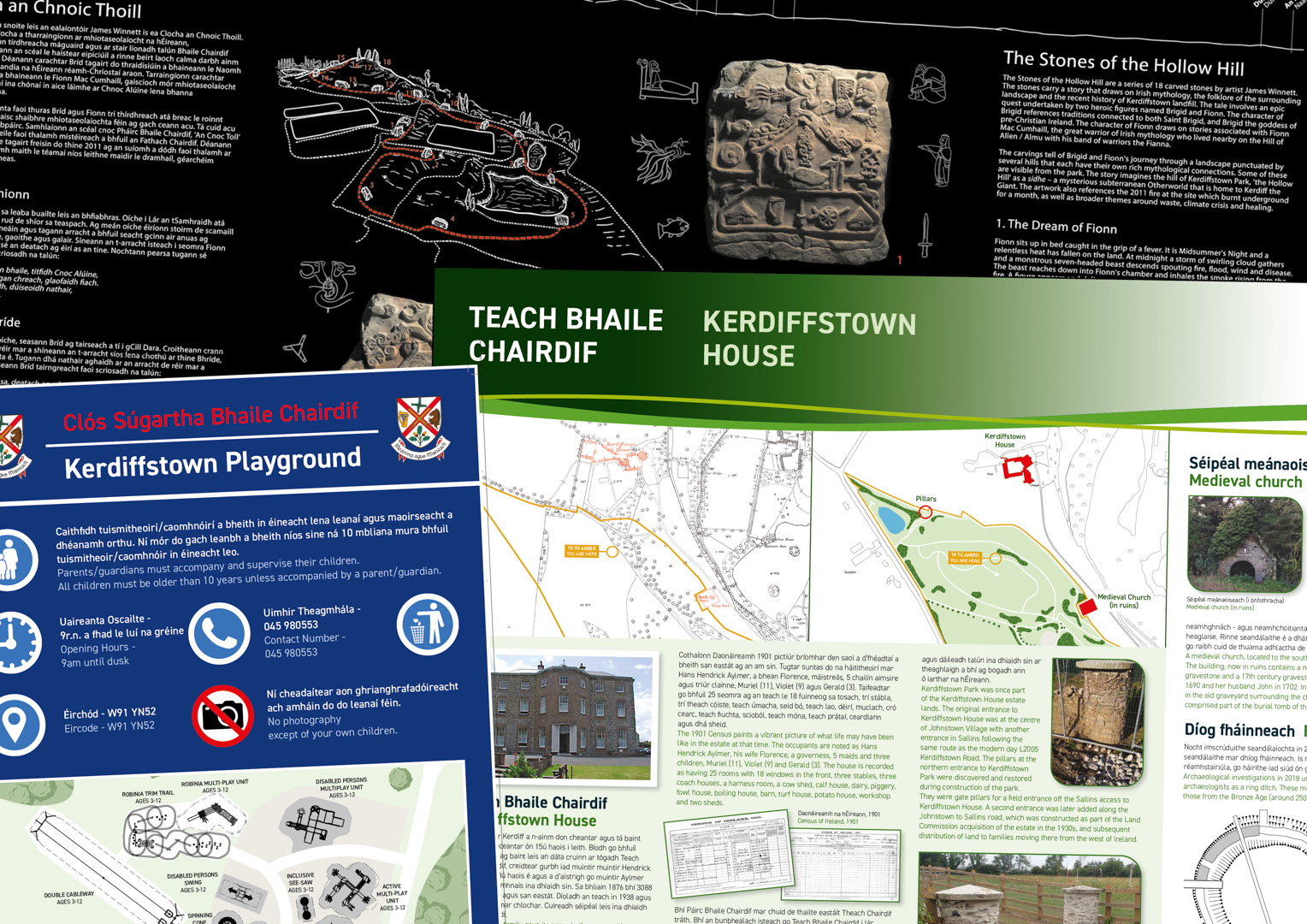
Fitzpatrick Woolmer delivered the complete creative development of the interpretation and signage scheme, designing a wide range of visitor materials and park-wide communication systems. The final scheme included orientation panels, interpretive storytelling boards, historical signage, environmental education panels, multilingual visitor information, bespoke signage structures and an integrated wayfinding system throughout the park.
A strong emphasis was placed on balancing educational content with creativity and accessibility, ensuring visitors could engage with both the environmental and historical stories of the site in a way that felt welcoming rather than technical or overwhelming.
Through a combination of illustration, branding, mapping and interpretive design, Fitzpatrick Woolmer created a cohesive visitor experience that encourages exploration, learning and connection with the landscape.
The result
The completed scheme successfully transformed Kerdiffstown Park into a highly engaging and visually distinctive public destination, helping visitors understand and appreciate the environmental regeneration of the site while creating a strong sense of place for the local community.
By combining storytelling, education and immersive design, the interpretation scheme celebrates the park’s transformation in a way that feels optimistic, accessible and inspiring. The result is a vibrant visitor experience that not only supports recreation and learning but also showcases how thoughtful interpretation can help communities reconnect with landscapes shaped by change.