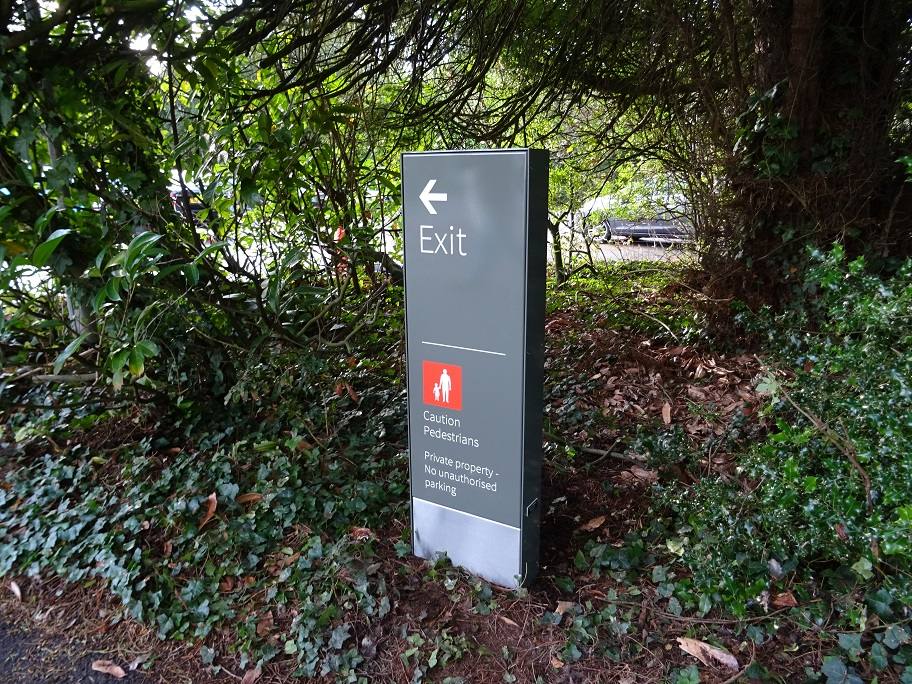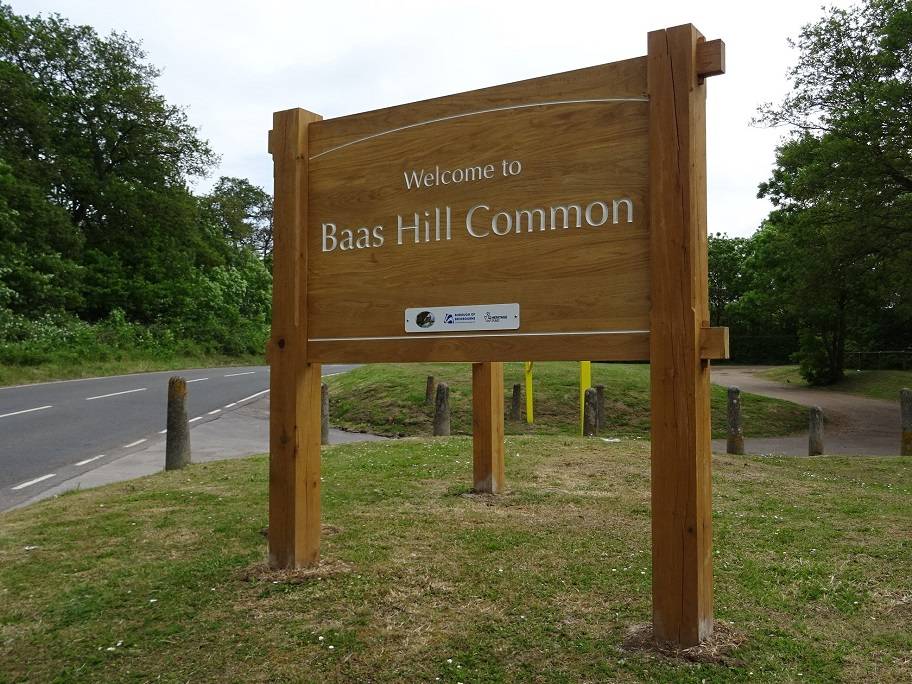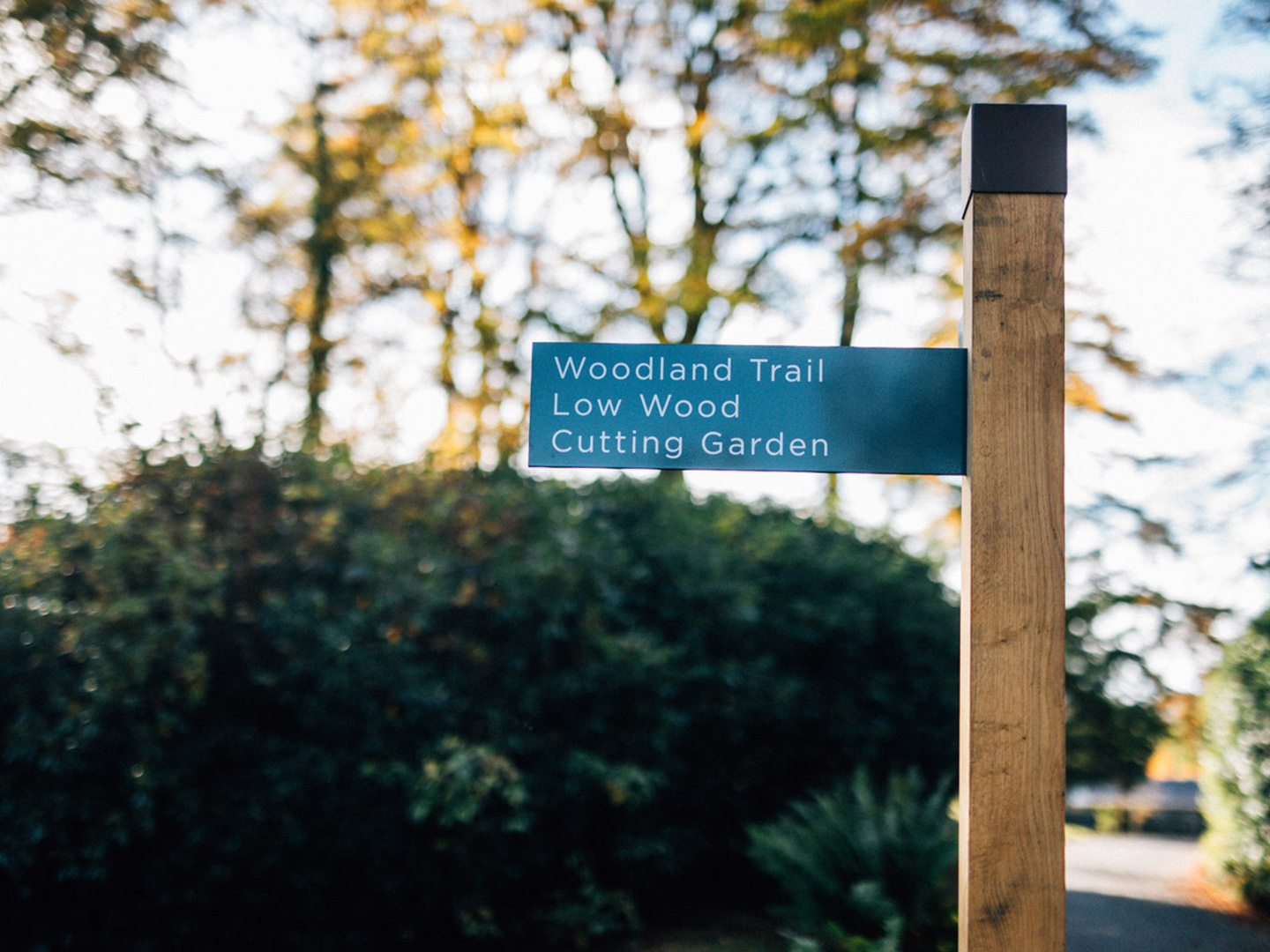
Wayfinding signage is a system of signs, maps, symbols, and cues designed to help people navigate and find their way in unfamiliar or complex physical spaces, guiding them from point A to point B with clarity and minimal confusion.
Wayfinding signage is designed to help visitors or business users navigate your site, follow a route, or access facilities. For example, you might see wayfinding fingerposts on retail parks and campuses, directional signs for car parks, or waymarking posts along walking trails.
Some wayfinding signage might be a regulatory requirement, such as warning visitors about areas that are off-limits or cautionary signs about speed limits or pedestrian areas. Still, the core purpose is to ensure anybody using a site, building, or venue can find their way.
Key Takeaways
- Wayfinding signage helps people navigate spaces with confidence: Wayfinding signage guides people through buildings and environments, helping them understand where they are, where they need to go, and how to get there without confusion or stress.
- Good wayfinding improves experience and reduces frustration: Clear, well-placed wayfinding signage makes spaces easier to use. It reduces the need to ask for directions, saves time, and creates a calmer, more intuitive experience for visitors.
- Wayfinding signage brings clarity and structure to complex spaces: In larger or unfamiliar environments, wayfinding signage creates order by breaking journeys into simple, logical steps. This helps people move through spaces smoothly and feel more comfortable from arrival to departure.
The Benefits of Quality Wayfinding Signage
There are countless applications for wayfinding signs, but the primary objective is to make your site easy to use and navigate.
Whether you are erecting directional signs to show visitors where your reception desk is or installing route markers around an outdoor venue, there are several benefits to accessible, clear signs:
- Accessibility: many customers may wish to avoid steep routes or those with steps, including wheelchair users, delivery drivers with large loads or trollies, and people with pushchairs.
- Safety: it is essential that vehicles and pedestrians know the correct way to travel to avoid causing backlogs of cars or potential safety issues.
- Visitor experiences: wayfinding can point the way to reach WCs, changing rooms, parking areas, reception, health and safety staff and emergency personnel. Making it simple for attendees to find the right support can significantly affect their opinion of visiting your site or business.
- Efficiency: a lack of wayfinding can cause no end of disruption, from delayed meetings to lost visitors and a reliance on staff to help guests find what they are looking for.
Clear wayfinding signage often incorporates logos, colour-coding, or symbols to make it immediately obvious what the sign indicates or the level of difficulty associated with the path.
Directional arrows, speed limit badges, or simple wording such as signs for ‘Exit’, ‘Parking’ or ‘WC’ can all improve the flow of traffic around your site.
Different Types of Wayfinding Signage
Wayfinding is used extensively in public spaces and visitor attractions and can feature any phrasing, text or images that are relevant.
- Directional signs point to the correct path, whereas confirmational signs confirm that the person is travelling in the right direction or advise how long it will be until they reach their destination.
- Confirmational signs are often used in airports, for example, indicating how long the walk should take to the designated boarding gate.
- Informative wayfinding signs provide general information alongside directional advice and can include extra pieces of information that a visitor needs to know about the route.
We will run through the popular wayfinding signage options available to explain where these are most commonly used.

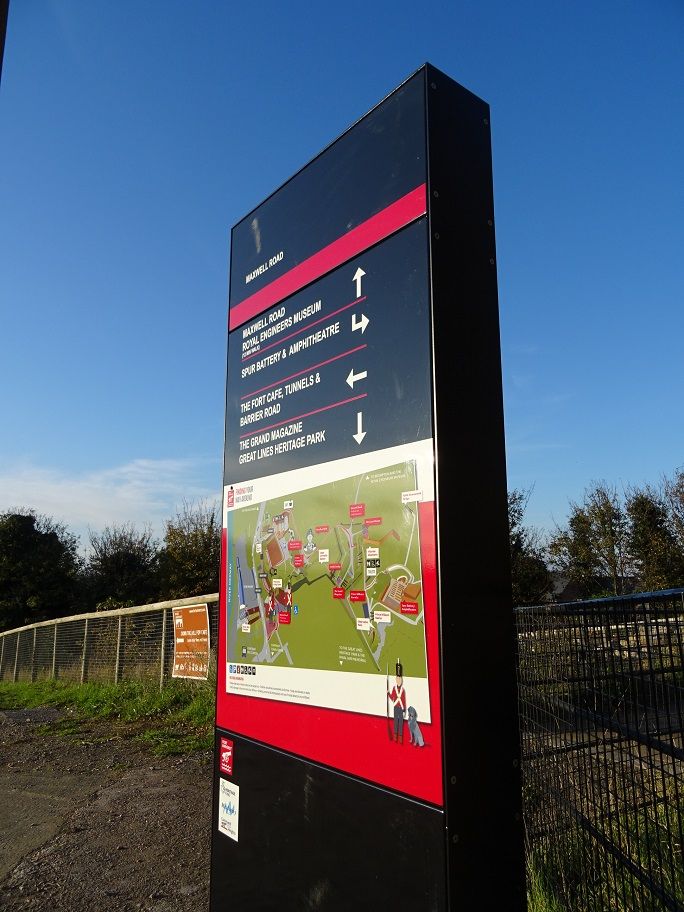
Directional Signs
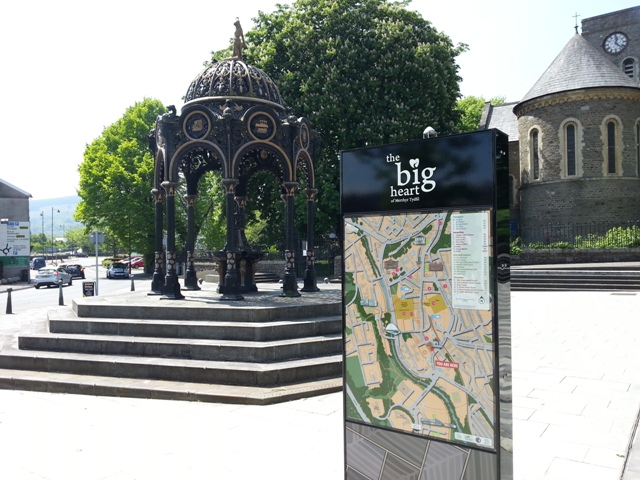
Directional signage provides the initial impression a customer or visitor encounters when they enter your site or facility and can be designed to match your branding, business style or the theme of a visitor attraction.
Outdoor directional signs are durable, weather-resistant and effective, with a variety of styles and designs. Simple hardwood engraved directional signs can show your logo and business or venue name, with an arrow to indicate the right way to find your main entrance.
You can also design vertical directional signs with greater detail, such as the direction to different buildings on a campus.
Fingerposts
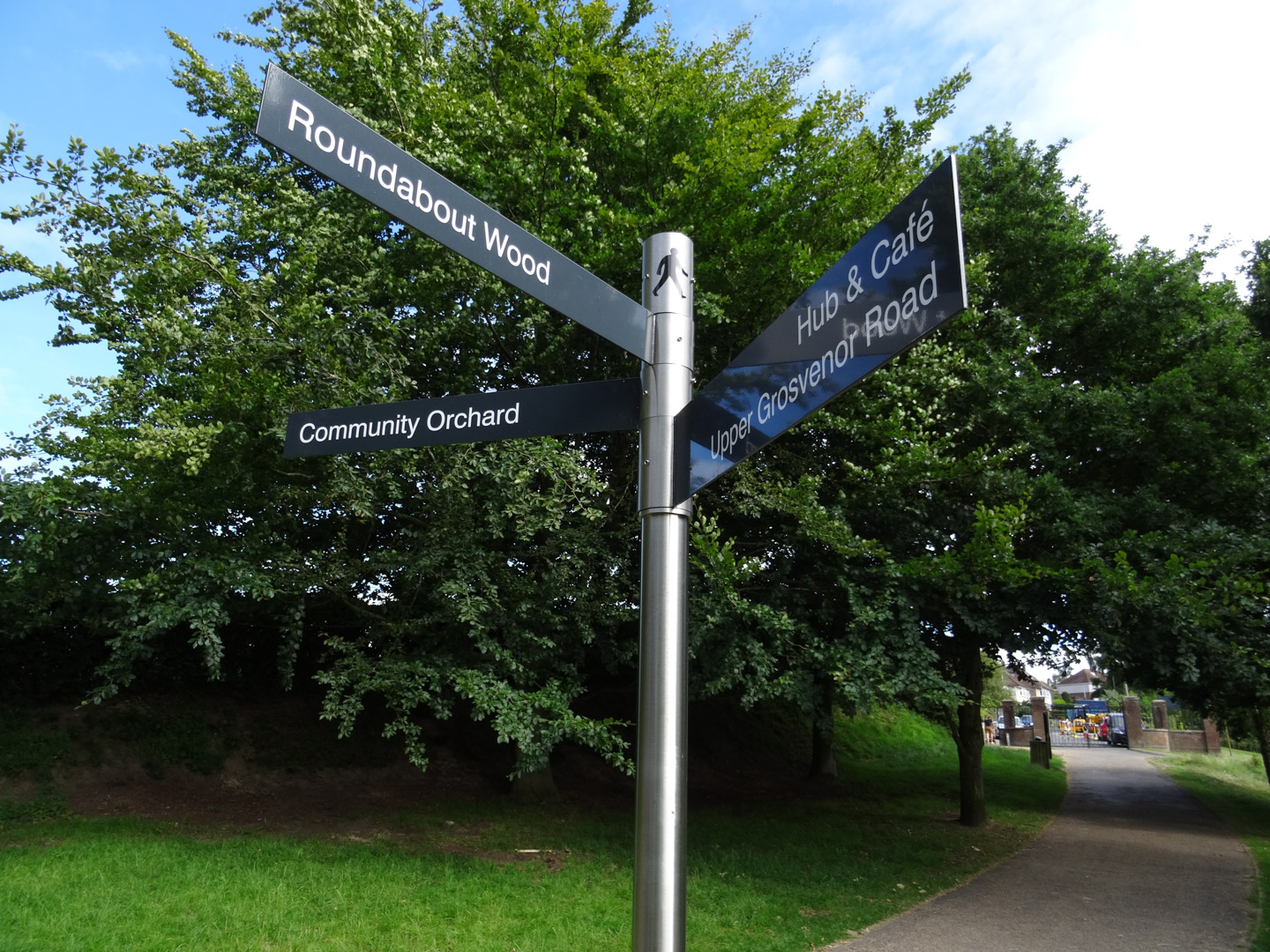
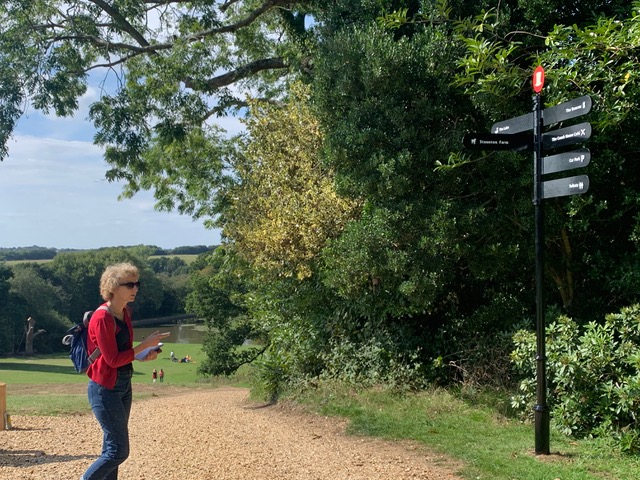
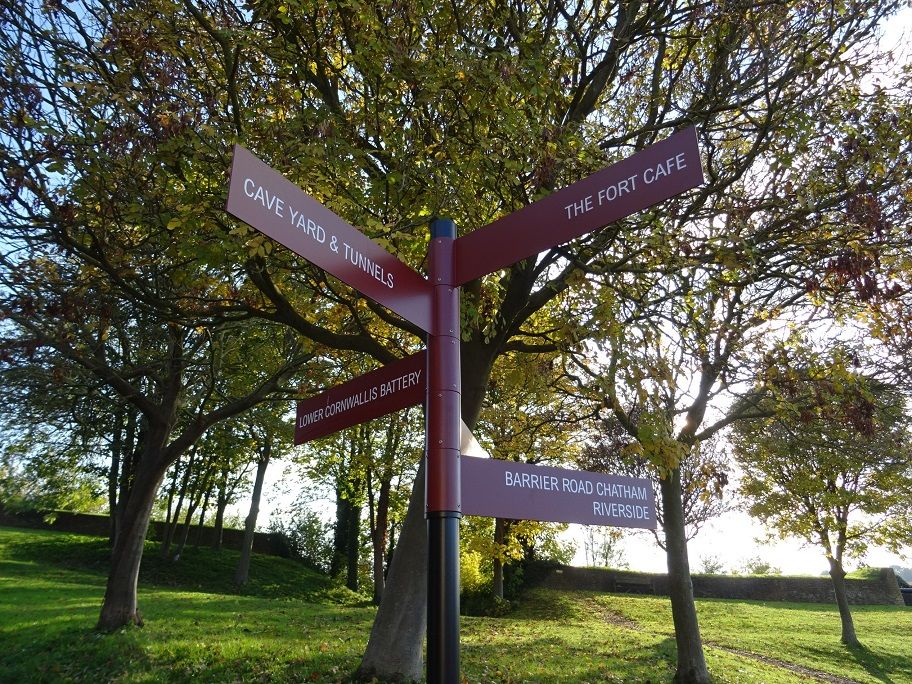
Fingerposts are the ideal wayfinding signage if you need to showcase the correct route to multiple places, focal points, or services. Examples include parklands, nature reserves and town centres – with one fingerpost including multiple signs, each pointing to the right direction.
We produce fingerposts in rustic hardwood, powder-coated aluminium, and stainless steel, with a variety of lettering options and a customisable number of directional arms, depending on your requirements.
Ladder Signs
Ladder signs incorporate a range of information within a compact wayfinding sign and have panels stacked above each other to ensure you can convey all the important information.
Low-profile ladder signs are accessible and visible to pedestrians or traffic, and slats can be removable if you need to adjust your signage for different events.
These practical wayfinding signs can be used to show directional information, list the businesses or amenities available on-site, or combine advice with directional arrows, speed limits, opening and closing times and symbols to indicate wheelchair-friendly paths, WCs, and cafes.
Waymarking Discs
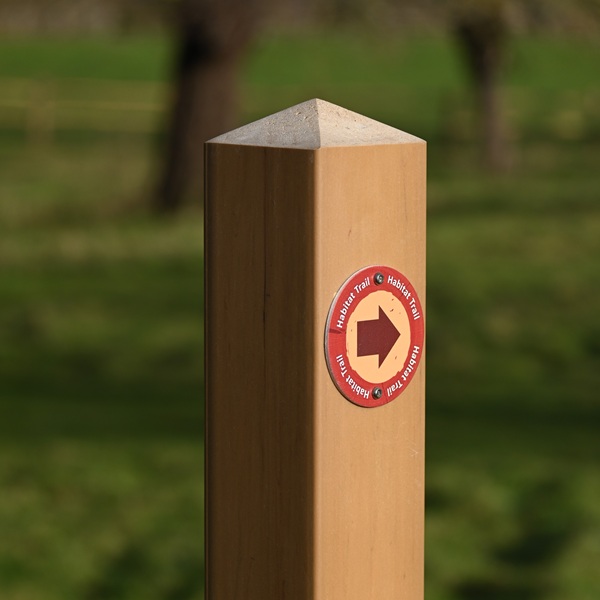
Discs are used in outdoor spaces, including adventure parks, lakes, walking routes, cycling trails and bridle paths, with clear, immediately understandable colours, arrows, and text.
Waymarking discs can be fitted on any existing signage, gates, entrance ways or to walls or trees to ensure visitors know how to reach their intended destination or which path to take.
Examples include indicating the right route to take along a cycle path or colour-coded discs and arrows to provide route guidance over a larger green space or parkland.
Waymarking Posts
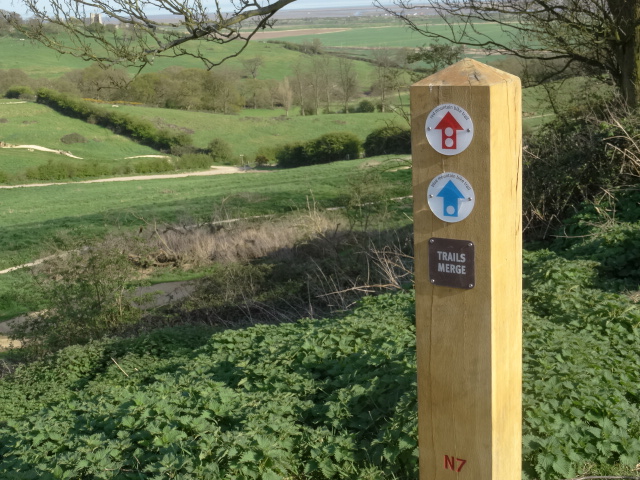
Waymarkers can incorporate discs as explained above but are suitable for a diverse array of events and sites, with engraved arrows, colours to indicate the route, difficulty level or trail, and added discs or panels.
Outdoor visitor centres can add wildlife symbols to help visitors spot rare native species or erect waymarking posts with icons and arrows.
How to Choose the Correct Wayfinding Signage
With such a broad range of signage options and applications, we can advise you which wayfinding is most suitable for your intended use or how to design your wayfinding signs to meet the needs of your visitors.
There are many considerations, but some of the aspects worth thinking about include the following:
- Inclusive signage catering to the needs of all visitors, including wheelchair and pushchair users, different age groups, and low-profile signs for visibility from a vehicle or on foot.
- Lighting for signage, particularly if your site is open later in the evening or year-round.
- Cultural and language differences, with universally recognised symbols an excellent alternative to text if you need to cater to varied user groups or overseas visitors.
Finally, signage materials are important because your wayfinding will likely be outdoors and exposed to heat, cold, direct sunlight, wind, and rain – professionally manufactured wayfinding signage is designed to last for years and created with durable materials and finishes to remain in good condition regardless of the weather conditions.
If you would like more information about wayfinding signage, how it works, and the models available, please contact Fitzpatrick Woolmer at your convenience.
Frequently Asked Questions
Where is wayfinding signage commonly used?
Wayfinding signage is commonly used in retail parks, campuses, hospitals, visitor attractions, parks, walking trails, car parks and large public buildings. Any space that may be unfamiliar or complex can benefit from clear wayfinding.
What is the main purpose of wayfinding signage?
The main purpose of wayfinding signage is to make spaces easy to navigate. It allows people to move around confidently without relying on staff for directions or feeling uncertain about where to go.
What is the difference between directional and confirmational signage?
Directional signage shows people which way to go, such as arrows pointing towards facilities or destinations. Confirmational signage reassures people that they are on the correct route and may include distance or time information.
Is wayfinding signage a legal requirement?
Some wayfinding signage can be a regulatory requirement, particularly where safety is concerned. This includes signs for restricted areas, pedestrian routes, speed limits and emergency access points.
How does wayfinding signage improve accessibility?
Clear wayfinding helps people choose routes that suit their needs, such as avoiding steps or steep paths. This is particularly important for wheelchair users, people with pushchairs, delivery drivers and those carrying heavy loads.
Can wayfinding signage improve safety?
Yes. Wayfinding signage helps manage the flow of pedestrians and vehicles, highlights hazards and reduces congestion. This can lower the risk of accidents and improve overall site safety.
What types of wayfinding signage are available?
Wayfinding signage can include directional signs, fingerposts, ladder signs, waymarking discs and waymarking posts. Each type is suited to different environments and levels of information.
Are symbols better than text on wayfinding signs?
Symbols are often easier to understand at a glance and work well in spaces used by people from different backgrounds or where quick recognition is important. In many cases, symbols are used alongside text for clarity.
How long should wayfinding signage last?
Professionally manufactured wayfinding signage is designed to withstand outdoor conditions and should remain clear and functional for many years when made from durable materials and finishes.
If you want, I can also shorten these for schema FAQs or adapt them specifically for outdoor sites, campuses or visitor attractions.