Our Royal Warrant journey: The hands that shape the future
By Mark Woolmer
The first few months of our Royal Warrant journey have been incredibly insightful. We are seeing into a world where charities, craftspeople and Royal Warrant holders are all playing their part in nurturing talent, preserving valuable skills and ensuring British craftsmanship continues to thrive for future generations.
One such organisation is QEST, the Queen Elizabeth Scholarship Trust. I was fortunate enough to meet a number of scholars at a recent event and was inspired by their passion, skill and dedication to mastering their chosen crafts. It was a powerful reminder that these skills, whether traditional or contemporary, only survive because people are prepared to dedicate years to learning, refining and passing them on.
Seeing the work of bookbinders, signwriters, glassworkers, carpenters and painters made me realise just how precious these skills are, particularly in a world where technology and AI are advancing at such a rapid pace. One scholar who particularly stood out to me was portrait painter Alice Pearson. Looking at her work, I found myself studying not just the finished painting, but how she had used light and shade to create mood, how the slightest change in posture conveyed emotion, and the confidence and restraint behind every brushstroke. It was a timely reminder that true craftsmanship is about far more than technical ability. It is about observation, interpretation and the uniquely human ability to create something that makes people stop, think and feel.
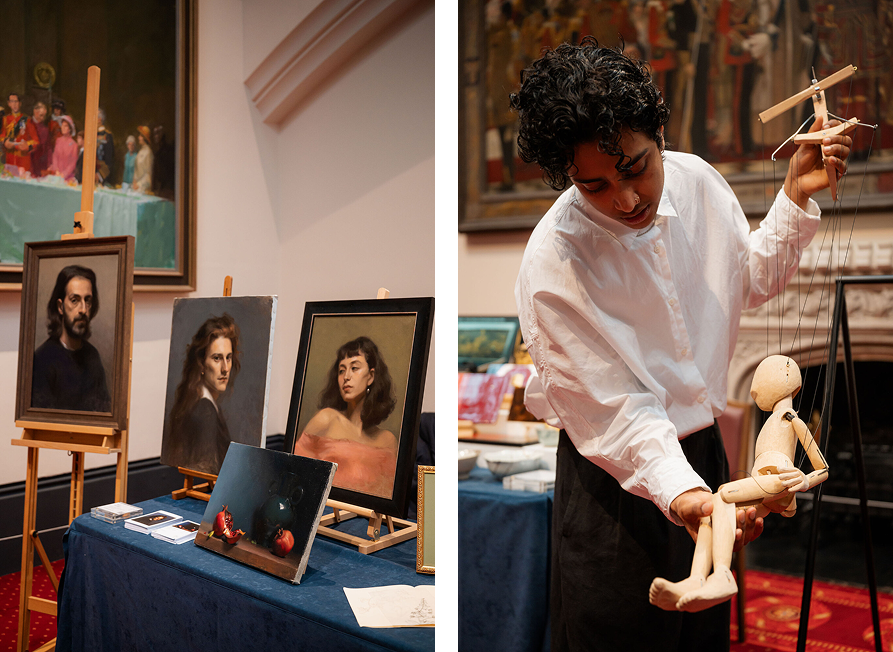
As an illustrator for almost 40 years, I have seen enormous change. I have lived through the transition from traditional media to digital media, alongside an ever-increasing drive for speed and commercial gain. Perhaps because of that, I have an even greater appreciation for watching someone work with their hands. Whether it is the swirling stroke of a calligraphy artist or the final dab of an oil painter, there is something deeply satisfying and genuinely inspiring about witnessing true craftsmanship. It is easy to admire the finished piece, but it is the many years of dedication, practice and perseverance behind it that deserve equal recognition.
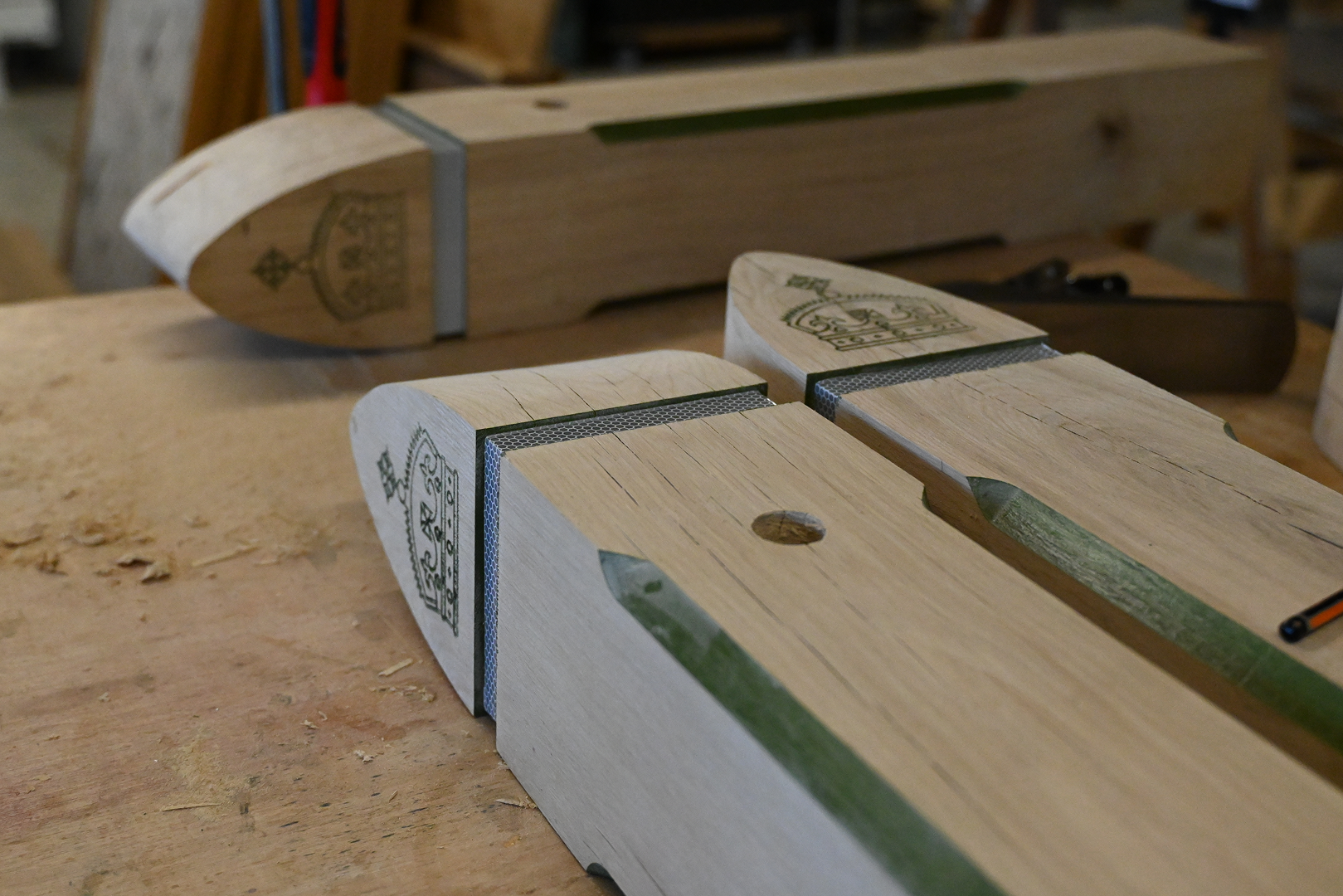
When you have run a business for 30 years, it is easy to overlook the magic that happens every day. Yet through our Royal Warrant appointment and meeting the QEST scholars, I have come to realise that part of the reason we have been recognised is because we continue to value those traditional skills. We embrace CNC machining and digital technologies where they enhance what we do, but they sit alongside carpentry, cabinet making, sketching and watercolour painting. Technology has become another tool in the workshop, not a replacement for the people who use it.
Long may we continue to celebrate craftsmanship, value the human hand and recognise that creativity, skill and passion remain essential to creating products and experiences with genuine quality, character and emotional connection. They are qualities worth preserving, not simply because they honour our past, but because the hands that shape them today will continue to shape our future.