Heritage signage design
Thoughtfully designed signage that helps people navigate, understand and connect with historic places
Fitzpatrick Woolmer designs, manufactures and installs heritage signage for historic estates, cultural attractions, museums, parks, landscapes and visitor destinations across the UK.
From interpretation panels that bring stories to life to complete wayfinding systems that help visitors explore with confidence, we combine creative design, specialist production expertise and robust materials to create signage that feels considered, appropriate and built to last.
For more than 30 years, Fitzpatrick Woolmer has worked with heritage estates, historical landmarks, attractions and conservation organisations to create signage that respects its location while improving the visitor experience.
Our experience spans interpretation, wayfinding and visitor information for some of Britain’s best-known destinations, including Rochester Cathedral and the Sandringham Estate, where we developed a bespoke suite of welcome and wayfinding signage using oak sourced from the Estate itself.
That relationship became part of a particularly proud chapter in our story. Fitzpatrick Woolmer has since been granted a Royal Warrant by His Majesty The King as ‘Manufacturer of Signs and Wayfinding’, recognising our longstanding commitment to quality, service and craftsmanship.
Whether you need a single heritage interpretation panel or a coordinated signage scheme across an entire destination, we can support your project from initial concept through to manufacture and installation.
Heritage signage designed
around place
Every heritage setting has its own character, audience and story.
Effective signage needs to do more than communicate information. It should complement its surroundings, make information accessible, enhance the visitor experience and help protect the integrity of the place itself.
Our designers work closely with heritage organisations, visitor attractions, estates, landscape managers, architects and interpretation specialists to develop signage that responds to the individual requirements of each site.
We consider everything from visual identity, typography and information hierarchy to materials, positioning, accessibility, durability and the wider visitor journey.
The result is heritage signage design that feels part of the place rather than simply added to it.
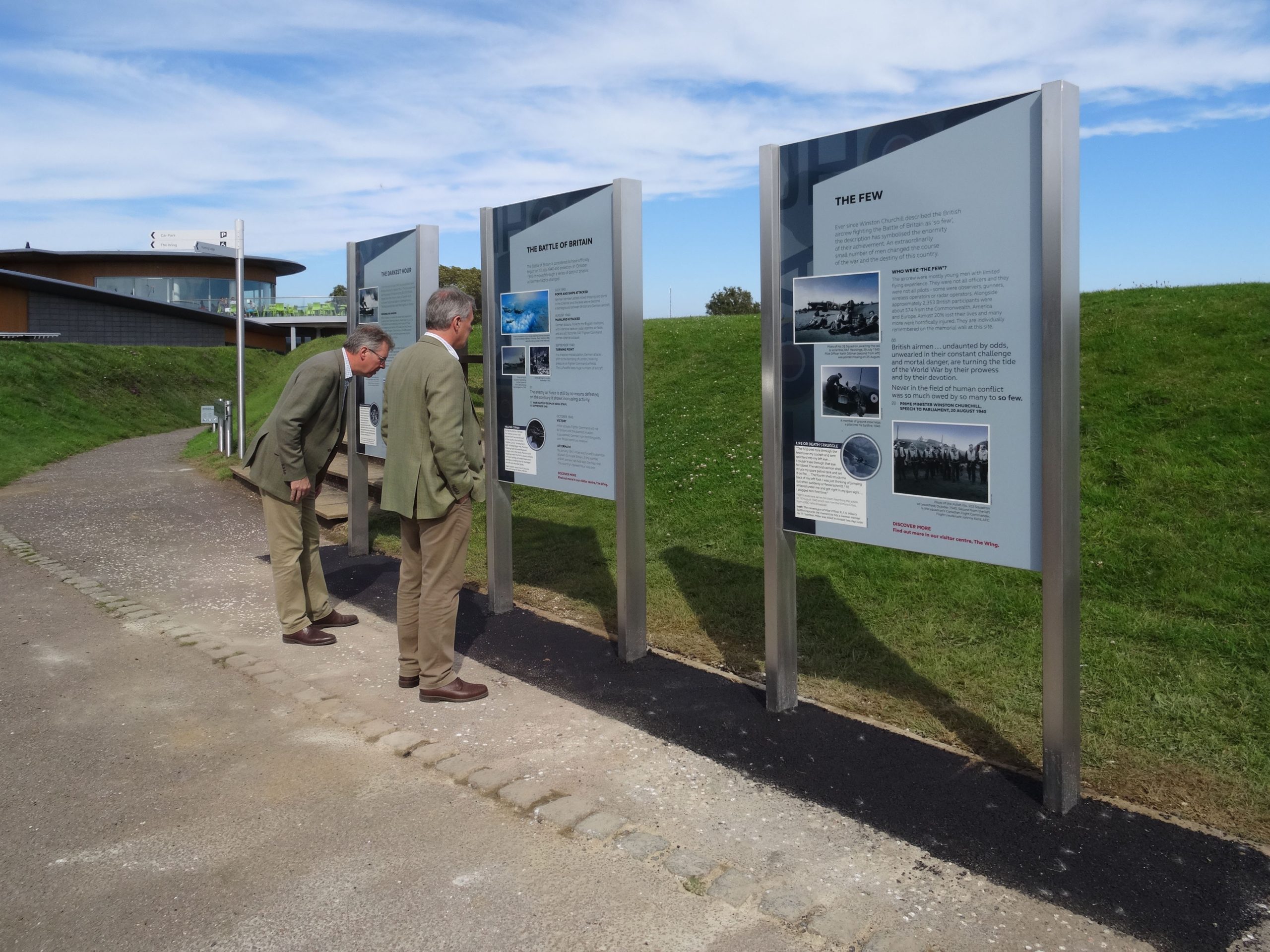
Heritage interpretation signage
Great interpretation can transform the way people experience a historic place.
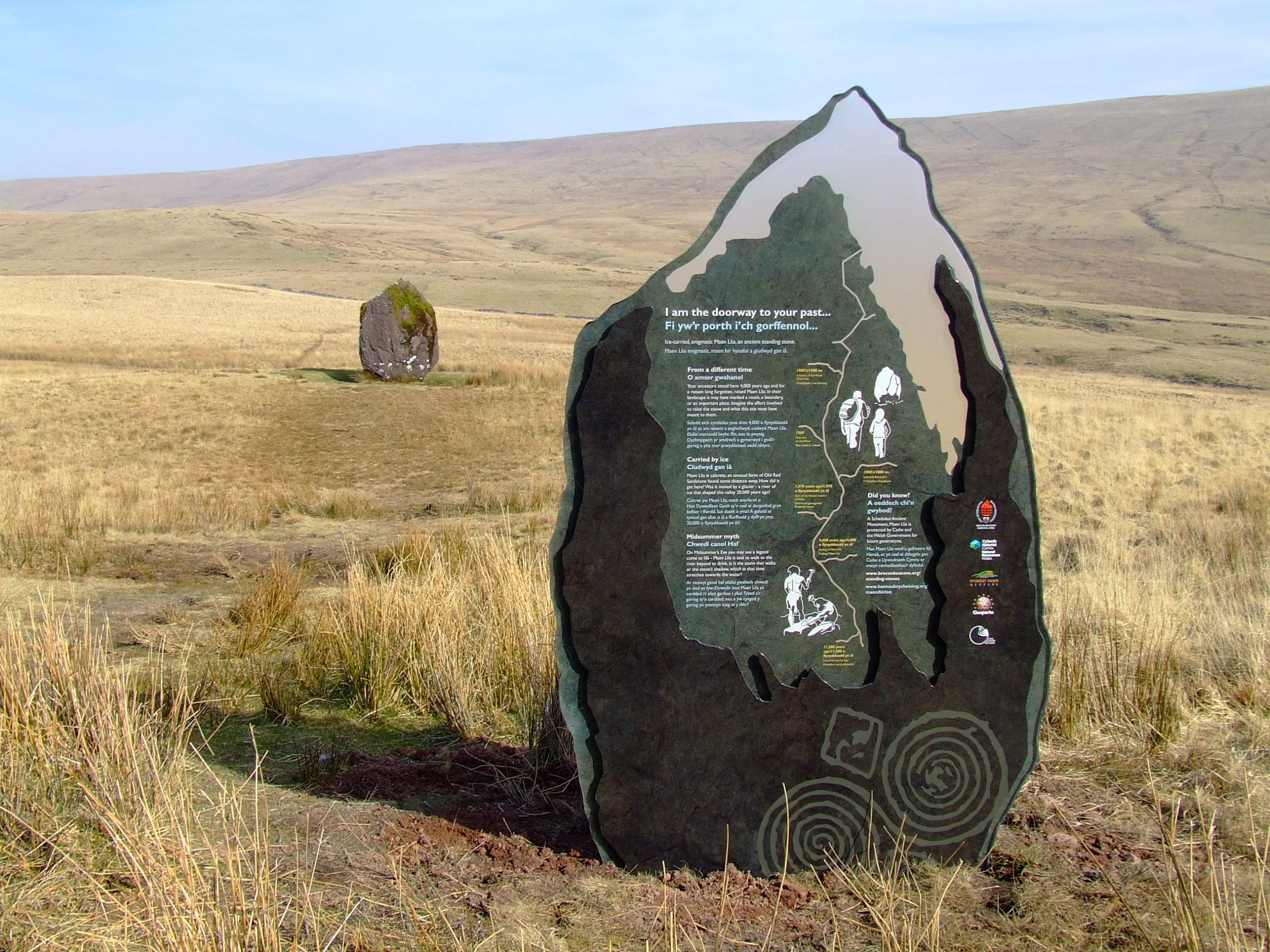
We create heritage interpretation panels and signage that help audiences discover the people, events, landscapes, buildings and stories that make each destination distinctive.
Our design approach balances storytelling with clarity, ensuring information is engaging and easy to understand while remaining appropriate to the significance and character of the location.
- Historic photography and archive material
- Timelines and storytelling
- Site plans and orientation
- Architectural and archaeological information
- Wildlife and landscape interpretation
- Accessible information
- Branded graphics and visual identities
- Bespoke illustration and mapping
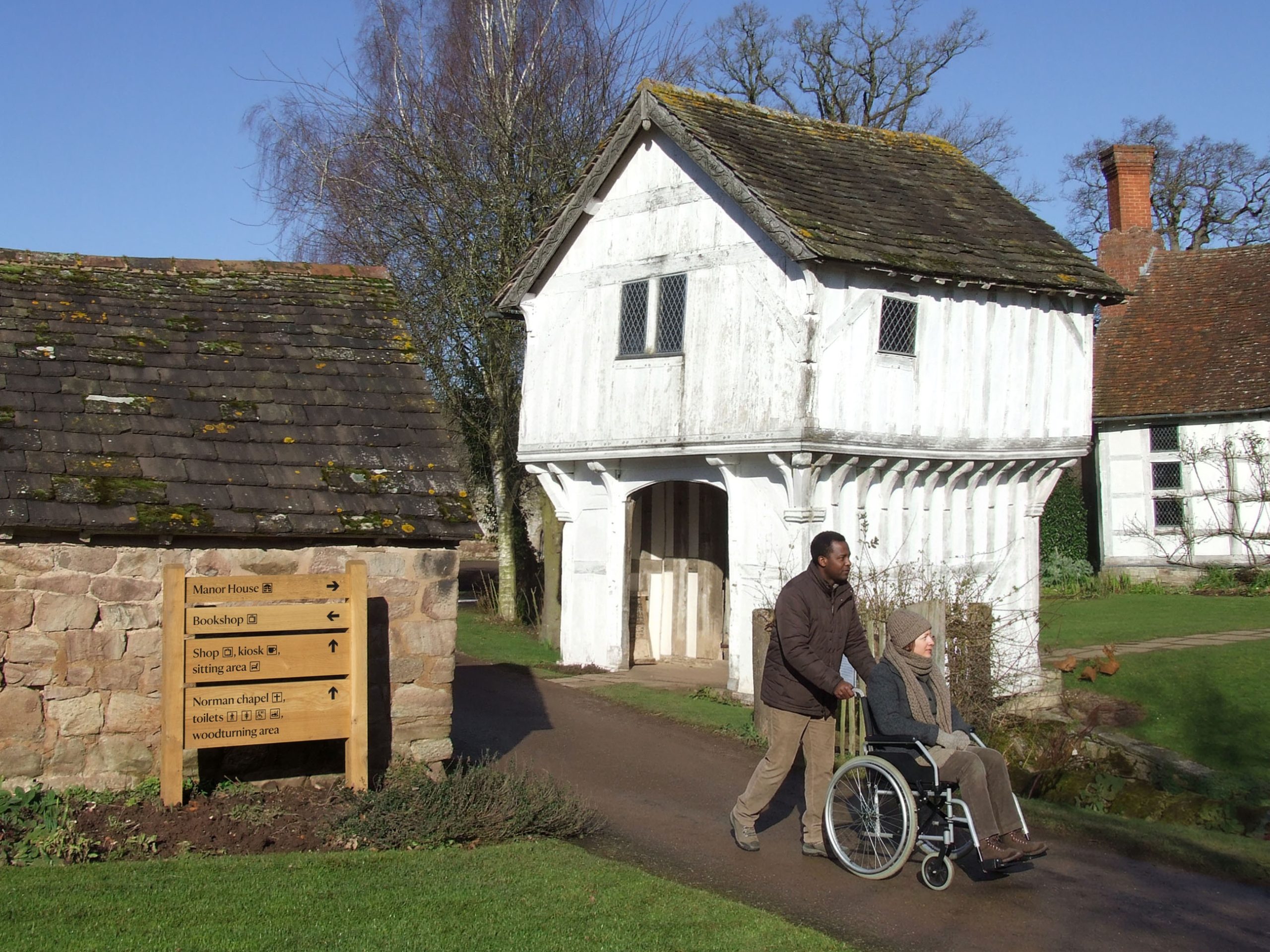
Heritage wayfinding signage
Finding your way around a historic environment should feel intuitive.
We design heritage wayfinding systems that help visitors understand where they are, where they can go and how different areas of a site connect.
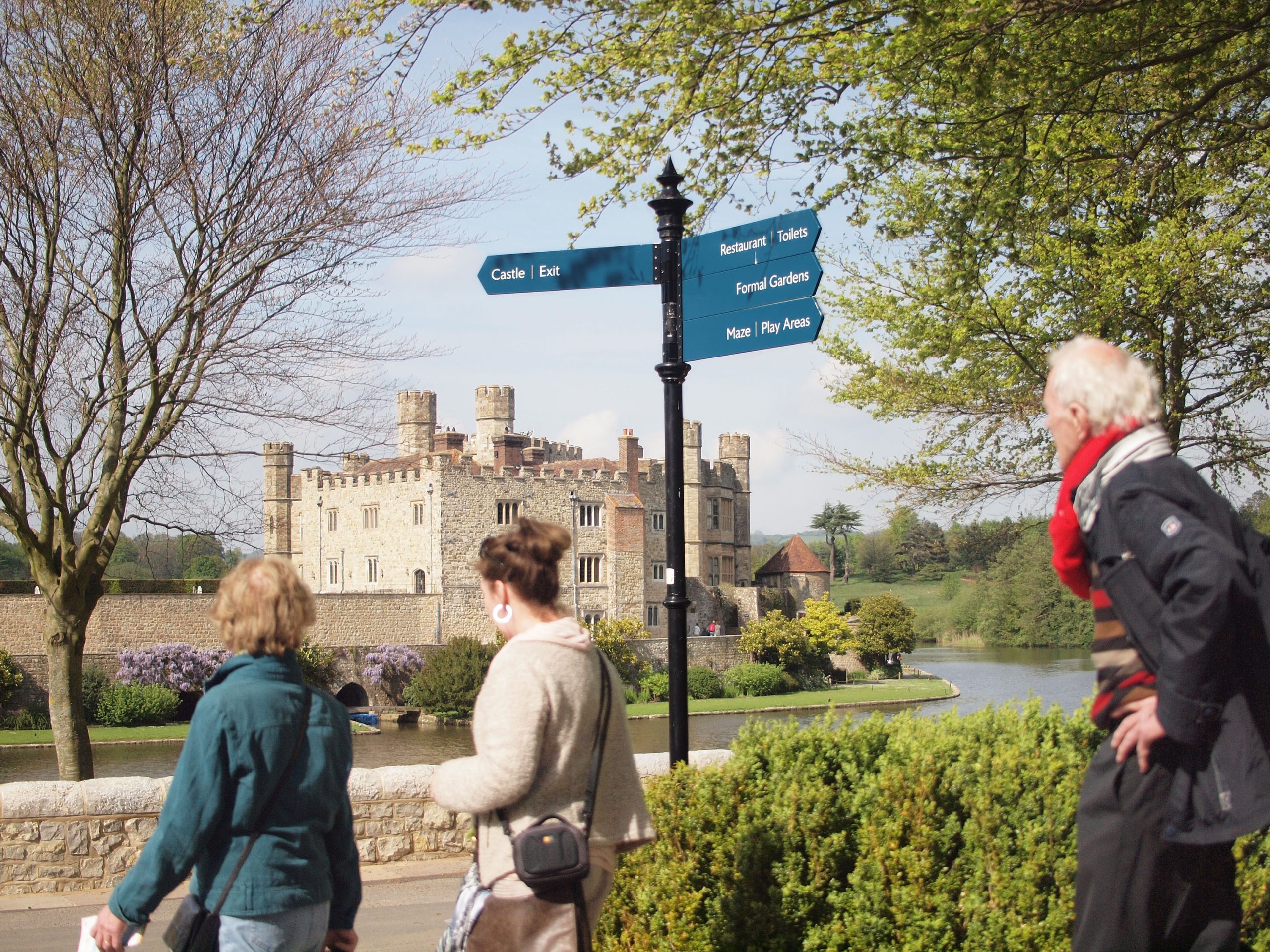
From directional fingerposts and entrance signage to orientation maps, identification signs and complete visitor wayfinding strategies, we create coherent systems that improve navigation without unnecessarily competing with their surroundings.
For larger or more complex sites, we can help develop a coordinated signage family covering:
- Arrival and welcome signage
- Directional signage
- Orientation maps
- Site identification
- Walking routes and trails
- Building identification
- Visitor information
- Regulatory and advisory signage
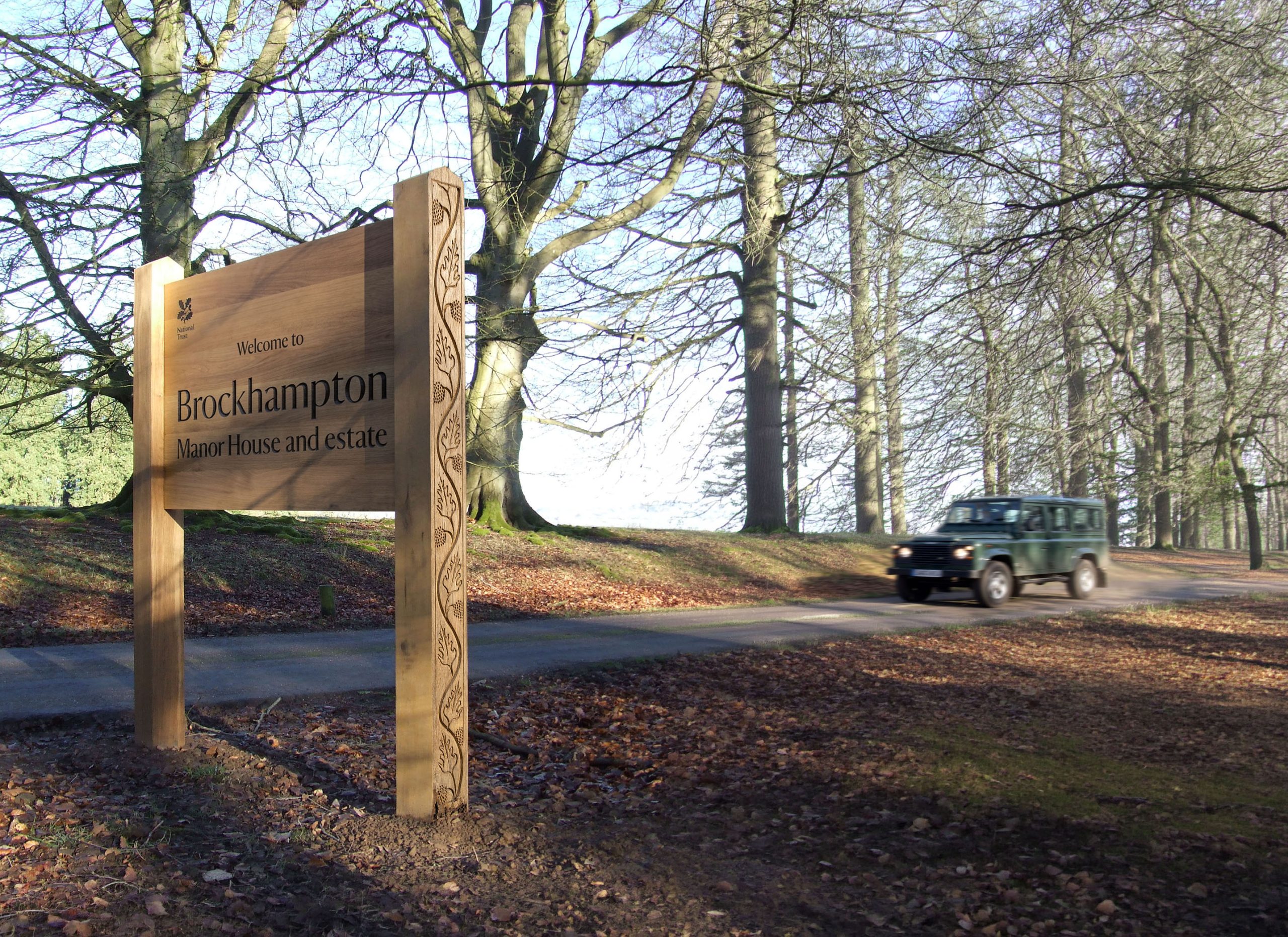
Signage for historic and culturally important places
Heritage environments often present requirements that conventional signage projects do not.
Visual sensitivity, planning considerations, listed buildings, conservation areas, archaeological significance, visitor numbers, exposed outdoor environments and the need for long-term durability can all influence the final solution.
Our experience allows us to consider these factors early in the process, helping clients develop signage that achieves the required communication objectives while respecting the setting.
We create signage for environments including:
- Historic houses and estates
- Heritage attractions
- Museums and galleries
- Castles and monuments
- Parks and gardens
- Archaeological sites
- Churches and historic buildings
- Country estates
- Nature reserves
- Walking trails and landscapes
- Visitor attractions
- Public realm and cultural destinations
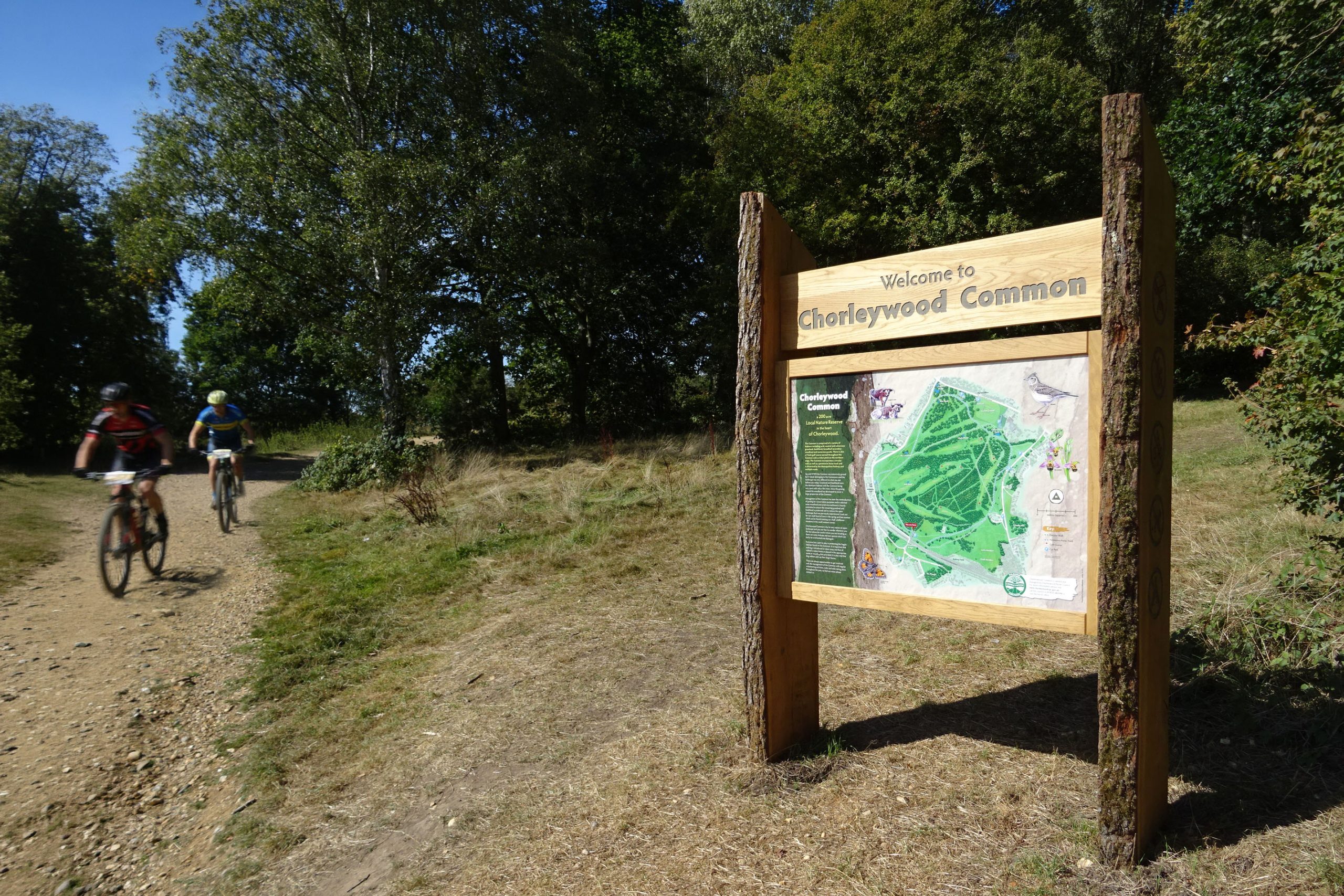
Experts in sustainable signage
For heritage organisations, sustainability is about more than material choice. It is about creating signage that performs effectively for longer, requires less frequent replacement and is appropriate for the environment in which it sits.
At Fitzpatrick Woolmer, sustainability is considered from the earliest stages of every project. We look at material selection, responsible sourcing, manufacturing processes, durability, maintenance and whole-life performance to help clients make informed choices.
By combining robust materials with intelligent design and proven production methods, we create sustainable signage solutions that minimise unnecessary waste and replacement while continuing to deliver an excellent visitor experience for years to come.
How can Fitzpatrick Woolmer help you achieve the heritage signage design you are looking for?
Whatever stage your project is at, Fitzpatrick Woolmer can help you turn your ideas into a heritage signage scheme that feels right for the place and works for the people who visit it. From initial conversations and creative direction to materials, manufacture and installation, our team can guide you through the process with practical advice and specialist expertise.
Whether you are planning a complete new signage system or improving a specific part of the visitor experience, talk to us about your ambitions and we can help shape a solution that is considered, distinctive and built to last.
Frequently
asked questions
What is heritage signage design?
Heritage signage design is the process of creating wayfinding, interpretation, identification and visitor information signage specifically for historic, cultural and environmentally sensitive locations.
What types of heritage sites do you design signage for?
Fitzpatrick Woolmer works with historic estates, heritage attractions, parks and gardens, museums, monuments, cultural destinations, nature reserves and other visitor environments across the UK.
Can you design signage for listed buildings and conservation areas?
Yes. Heritage signage can be developed sensitively around listed buildings, conservation areas and historically important landscapes, taking account of the visual character, setting, materials and practical requirements of the site.
What is the difference between heritage interpretation and wayfinding signage?
Interpretation signage helps visitors understand the history, stories or significance of a place, while wayfinding signage helps them navigate it. Most larger heritage destinations benefit from an integrated approach incorporating both.
Can you design a complete heritage wayfinding system?
Yes. A scheme can include arrival signage, orientation maps, directional signs, fingerposts, building identification, trails, visitor information and regulatory signage, all designed as one consistent family.
Which materials are best for outdoor heritage signage?
Material selection depends on the location, desired aesthetic, exposure, expected lifespan, maintenance requirements and sustainability objectives. The best solution is therefore specified around each individual site rather than using one standard material.
How long should heritage signage last?
Lifespan varies according to materials, construction, location and environmental exposure. Designing for durability from the outset can reduce maintenance and replacement requirements while improving whole-life value.
Can heritage signage be designed sustainably?
Yes. Sustainable heritage signage considers more than the material itself. Longevity, manufacturing processes, maintenance, repairability and eventual replacement should all be considered when determining the most responsible solution.
How do you make heritage signage accessible?
Accessibility can influence typography, contrast, information hierarchy, language, sign height, positioning and the way information is presented. These considerations should form part of the signage design process from the outset.
Can you work with our existing heritage interpretation consultant or designer?
Yes. Fitzpatrick Woolmer can work collaboratively with interpretation consultants, architects, landscape designers, heritage specialists and client-side teams, either providing a complete service or realising an existing creative concept.
Let’s start a
conversation
We’d love to hear from you, let’s have a conversation about what we can do to help your signage needs.