Public Signage
Public signage is used in countless locations and refers to any sign that shares information, instructions, warnings, safety advice, or access permissions in a public space, including land and paths with a public right of way and council and government-owned settings.
From immersive signage in parks, conservation spaces and woodlands, public warning signs and speed restrictions, caution notices for traffic and pedestrians and signage in retail parks, car parking facilities and industrial estates, there are numerous signage models you may wish to consider.
As specialists in high-quality, durable, and impactful signage, the Fitzpatrick Woolmer team offers a broad range of public signage models and bespoke design services to ensure your signage is accessible, visible, and on-brand.
-

Interpretation Displays – Freestanding
View productsOur freestanding interpretation display boards are perfect for getting your message where it needs to be to engage and enthral your visitors. Your attraction guests need clearly but creatively laid out information to help them get the most out of their visit in the time they have. We design and manufacture information boards for parks, wildlife areas and heritage attractions, designed to do just that.
Freestanding interpretation boards are used to provide further information or insight into nature reserves, wildlife areas, places of interest and visitor attractions. Information boards are just one of the ways you can entice your visitor’s sense of curiosity and discovery.
As an interpretation board designer and manufacturer, we recognise the need for appropriate signage and insightful information to make your area of interest captivating, as well as an informative place to visit for both local residents and tourists. An attractive freestanding interpretation display utilising illustration and text can get the balance between attracting your visitors and also educating them about the area or wildlife.
We also offer a complete interpretation design service for a range of facilities and attractions from zoos to public parks, heritage sites to town centres.
-

Lectern Signs
View productsAt Fitzpatrick Woolmer, our durable interpretation display-style lecterns are available in a range of materials and styles to suit your purpose and setting. This ever-popular sign format presents interpretative information at an angle designed to be easily visible to children and wheelchair users as well as the general adult public; making lectern signs ideal for a wide variety of applications. Parks, heritage sites and many other such attractions can benefit from an interpretative panel in a lectern style.
Lectern signs are a popular way to present information to visitors and/or your target audience easily. They are frequently used to trigger engagement and actions, as well as stimulate curiosity and discovery of nature reserves, wildlife areas, places of interest and visitor attractions.
At Fitzpatrick Woolmer, we offer durable interpretation display-style lecterns for sale in a range of materials and styles suited to your purpose and environment. They’re ideal if you’re looking to offer insightful information and add a touch of interaction with your audience.
If you’re keen to engage with your audience, explore our range of designs. If it’s a metal lectern sign you’re after, our Musketeer™ twin leg steel lecterns are one of our best sellers offering versatility and durability. Our Woodsman™ lecterns, on the other hand, would be suitable for nature reserves or wildlife areas; this rustic and eye-catching design is made from hardwood Oak, ideal for displaying rich information to your visitors.
-

Monolith and Totem Signs
View productsAt Fitzpatrick Woolmer we manufacture and install robust monolith signs (also called wayfinding totem signs) of the highest quality. With full-colour graphic finishes available, our monoliths are perfectly suited to both urban and rural environments. Whether you like the look of our existing product range, or are looking for something more custom, our team are happy to discuss how we can bring your ideal totem sign to life.
From robust stainless steel monoliths to rustic timber totems, we have a welcome and wayfinding solution to suit your project. Choose from our standard product range or get a custom-made sign to your requirements Our monolith signs can be finished with full-colour printed, etched or engraved graphics. Modern, contemporary totem signs can sit comfortably in any environment, from town and city centres to country parks and visitor attractions.
-
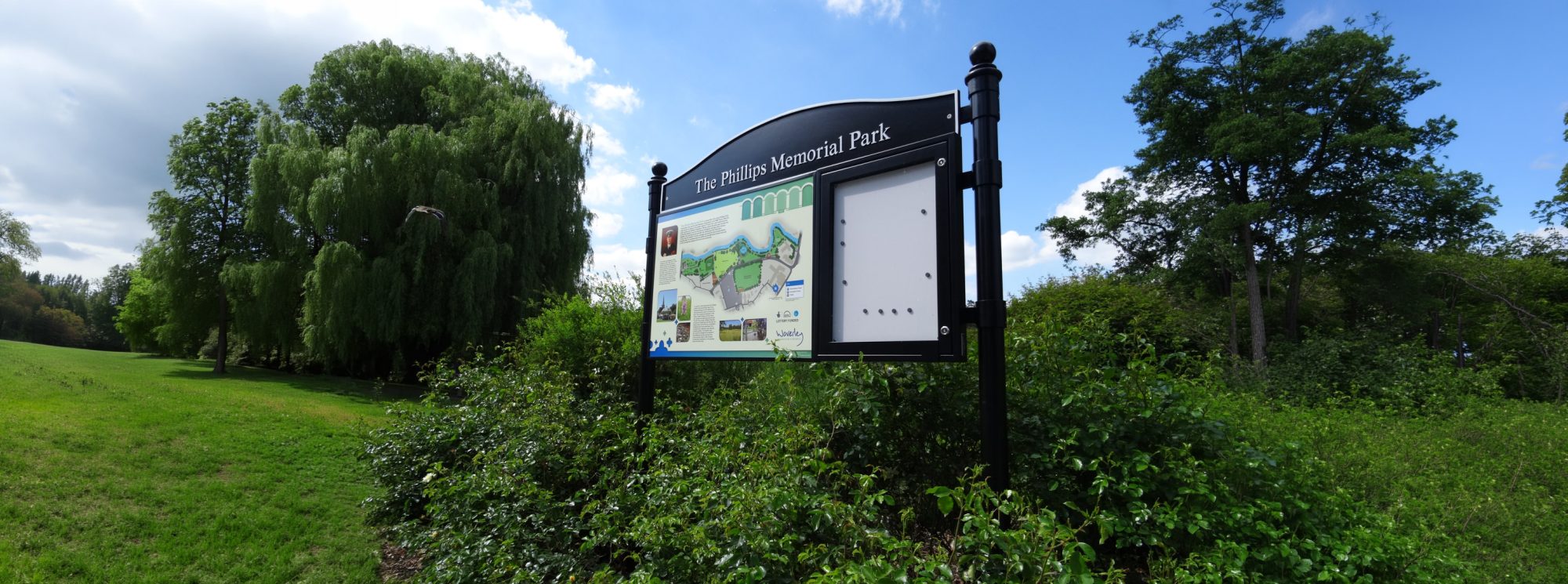
Notice Boards
View productsWhether you need changeable notices for your attraction, a public notice board for your park or Parish council, or a lockable noticeboard for outside your church, we can help. Our robust notice boards come in a range of materials and formats with single or multiple windows as needed, and all are designed and built with secure locking systems as standard; so your noticeboard will be as vandal-resistant as we can make it.
Having a robust and professional notice board is important for all businesses and organisations looking to communicate information clearly to their visitors.
At Fitzpatrick Woolmer, we manufacture, supply and install vandal-resistant outdoor notice boards of all shapes, sizes and materials. Whether you need single or multiple-windowed oak notice boards, or wall mounted metal informational signage, we can manufacture your ideal outdoor sign in a range of materials including metal, wooden notice boards and recycled plastic. Because they’re available in a range of materials and designs, you can be sure your notice board will reflect your business and look great no matter its environment.
-

Fingerposts
View productsWhether you are building a full waymarking signage scheme from the ground up or just looking to expand or refresh your current site navigation, our sturdy and robust fingerposts are the perfect solution. We can offer a wide range of materials and colour finishes with printing or casting options, and if you need a one-stop solution we even offer a complete waymarking design service.
Finger posts are commonly used to direct members of the public around large open spaces. These can range from parks and nature reserves to town centres and university campuses. As a fingerpost sign manufacturer, we know how having appropriate outdoor signage and directional information is vital for visitors that are not familiar with the area. A well-linked fingerpost signage network can also help pedestrians to easily find public transport systems and key landmarks.
-
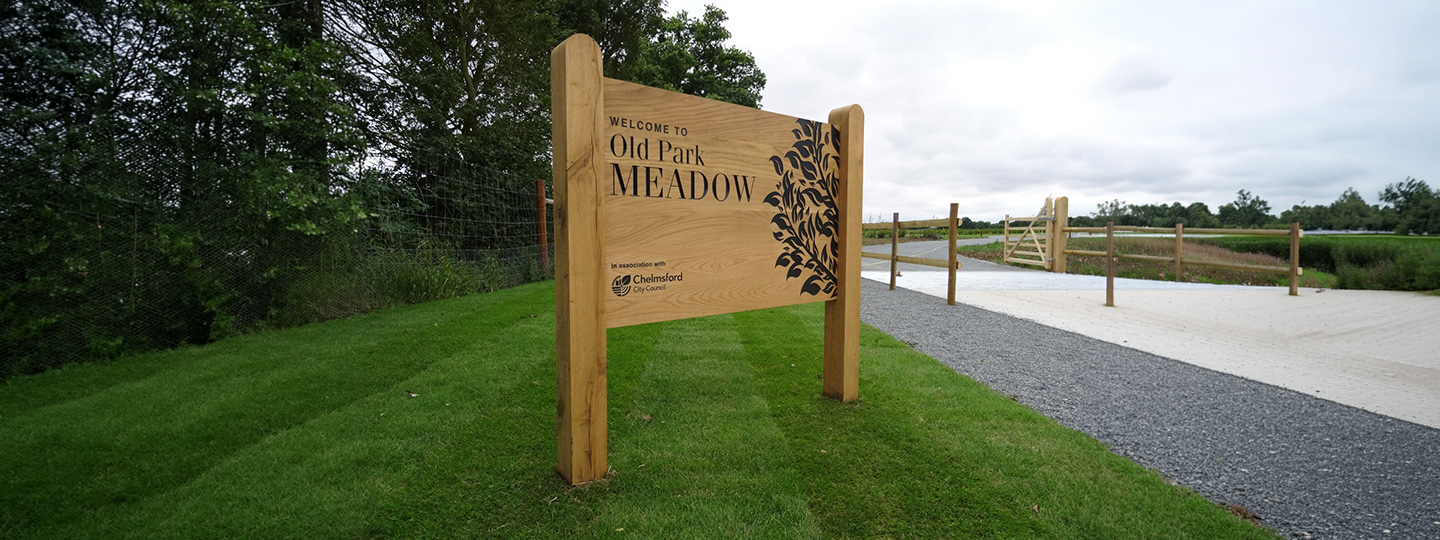
Entrance Signs
View productsOur entrance signs have a wide range of applications including welcome signs, park entrances, business park signs, corporate and directional signs. We can also work with you to create a fully bespoke sign solution that will attractively represent your brand, facility or attraction while welcoming your visitors with clear information.
Having a great entrance sign that reflects your business is so important for giving your visitors the information they need. Entrance signage not only helps convey your brand and let your visitors know they have arrived, it can also be a fantastic means for directing your visitors around your property and grounds.
Whether you are looking for brand new entrance signage, beautiful oak notice boards or wanting to update and replace what you have already, Fitzpatrick Woolmer have the expertise to provide an entrance signage solution that suits your needs.
Browse our range of entrance signs to find the type that is right for you. We have a range of metal, wood and mixed material entrance signs, suitable for all kinds of surroundings. For signs related to entrance to public footpaths, learn more about our public footpath signs.

STUDY
Montalto Estate, Ireland
Learn how the Montalto Estate project combined elegant wayfinding, interpretation, and heritage storytelling to create a seamless and engaging visitor experience.
Read moreWhat Is Public Signage?
This signage category includes any signs positioned within spaces, facilities or areas with public access or right of way. There are varied types and styles of public signage found in complexes, town centres, business districts and parks.
Much depends on the key purposes your signage exists to serve, such as:
- Welcoming visitors and enriching their experiences.
- Communicating rules, prohibited behaviours, and safety information.
- Improving a sense of local pride and knowledge about historical sites.
- Functional signage to convey information about facilities, directions or accessibility.
Most councils, town planners, and local authorities also need to consider the positioning of public signage, without the potential that users of the space or visitors unfamiliar with the area will lack the information they need.
The best public signage and wayfinding projects slot into the layout of the area, choosing positions close to other well-used facilities like cafes and seating or spaces where multiple pathways or pedestrian zones cross.
Designing Effective Public Space Signage
The first step to creating visible, effective signage is to think about the types of visitors you want to access your signage, the instructions or information you expect them to take away, and the nature or focus of the space or setting.
Taking a busy town centre as an example, these are some of the questions to consider:
- Do you anticipate significant visitor numbers in peak seasons? Does your signage need to be easily interpreted from a distance or be accessible to visually impaired people, older visitors, and families—and will it be seen by pedestrians or motorists?
- What is the theme or style of the town, and how would your public signage best respect this backdrop – potential options include vintage, eco-friendly, vandal-resistant, natural timber and high-durability stainless steel signage models.
- Are there specific facilities, sites, attractions, or amenities you want all visitors and local residents to be informed about? Are you trying to improve education and historical knowledge or reduce unwanted behaviours?
Fitzpatrick Woolmer has extensive experience collaborating with public signage clients from across the sectors, from local government bodies to conservation charities and commercial businesses. We can provide further insights into the strategic design process on request.
Bespoke Public Signage Solutions
The selection of signage models, materials, print or etching techniques, and accessibility features can all impact the effect of your public signage. Options include rustic oak, which is highly popular in woodlands and town commons, and heritage signage that works beautifully in Victorian parks.
Our signage consultants can also discuss the type of placements or fixings that would be right for your signage displays, including:
- Assorted text, illustrations, creative mapping and high-visibility warning or prohibited signage that is instantly recognisable.
- Anti-vandalism fixings, panels and materials that prevent signage from being tampered with, defaced or removed.
- Accessible signage with features suited to people using wheelchairs and mobility devices, with downloadable QR codes or raised interpretation panels for those with vision impairments.
We provide end-to-end public signage support, from initial discussions to creative design, providing recommendations about the models we think fit the aesthetic and feel of the space or setting and complete production and installation services.
High-Demand Public Signage Models and Options
Many clients opt for a multi-placement signage project, which enables them to enforce rules and communicate safety information while ensuring visitors and site users feel welcome and have sufficient guidance to explore a space comfortably and easily.
- Creative and illustrative maps: Installing maps at entry points to public spaces can aid with navigation, highlight accessibility provisions, and keep pedestrians and vehicles separate. Interpretive mapping can highlight focal points or attractions and augment the visitor experience.
- Educational public signage: Local authorities often need to promote public spaces and their safe usage. Educational signs might indicate the types of wildlife in the area, provide guidance on interacting with the environment, and state instructions about littering, keeping to paths, and reporting issues to the appropriate office.
- Directional signage: Developing a wayfinding strategy with well-positioned directional signage makes a public space easier to use and navigate. Signage can display arrows and icons to signify certain areas or amenities and avoid any issues where visitors attempt to access restricted or staff-only areas.
- Information boards and lecterns: The capacity within a signage board enables the owners of public spaces to change the displays as required, such as seasonal notices and information about events, contact details for park rangers or other site managers, and outreach notices to share news and updates.
Please get in touch with the Fitzpatrick Woolmer team at any point to arrange a convenient time to discuss your public signage requirements or for more information about any of the signage models and materials discussed here.
Public Signage FAQs
What Is the Most Common Application for Public Signage?
Signage is everywhere, from street signs to directional signs in parks and nature reserves, signs that tell us where to park, pay, or check out, and warning and caution signs that raise awareness of hazards or inform us about the activities we can and cannot do within a certain space.
Public signage covers a vast area, and we can provide professional, expert assistance with any public signage design, production and installation projects.
What Is the Best Material for Public Signage?
The materials and fixings used in public signage must be durable, weather-resistant, and protected from vandalism and unintentional damage. However, several potential materials may enhance the ambience and appearance of a public place, whether a busy modern retail complex or a beautiful urban park.
You’ll find full specifications and material information through our product pages, or you can get in touch if you have a specific look or aesthetic in mind for your public signage design.
Partnering With Businesses Who Value Quality Signage



Let’s start a
conversation
We’d love to hear from you, let’s have a conversation about what we can do to help your signage needs.