Signage is a key focal point for visitors and site users attending events, attractions, open days, or visiting heritage venues such as stately homes, castles, and ruins. It provides a wealth of information, education, and enrichment to ensure those visits are enjoyable and immerse visitors in the historical importance of each space.
While modern signage is designed to communicate clear messaging and provide directions and advice for those unfamiliar with an area or site, historic signage should be engineered to blend seamlessly with the landscape or setting and avoid detracting from the ambience and aesthetic of any walls, buildings, or backdrops.
Our expert heritage signage designers, creatives, and consultants often speak with managers, curators, and custodians of incredible sites of huge historical value and can offer customised advice to assist with the design process – attracting visitors, revenues and interest to help with the costs of long-term preservation.
What types of signage are most used in historical sites and venues?
The principles of informative signage apply in all environments, but the pivotal factors in creating signage for heritage sites are to consider colour, fonts, lettering, graphics, and the style of the signage—ensuring it doesn’t jar with the background or disrupt the visitor experience.
Intelligent signage is both visible and sympathetic to the site, creating a perfect blend that feels natural with the surrounding architecture and respects the venue’s character and personality. This becomes even more essential in sites with poignant or sombre histories.
In short, the best possible signage to preserve interest in a heritage site should enhance the place’s architectural or unique features without being overbearing.
The types of signage we frequently design and produce for historical sites include:
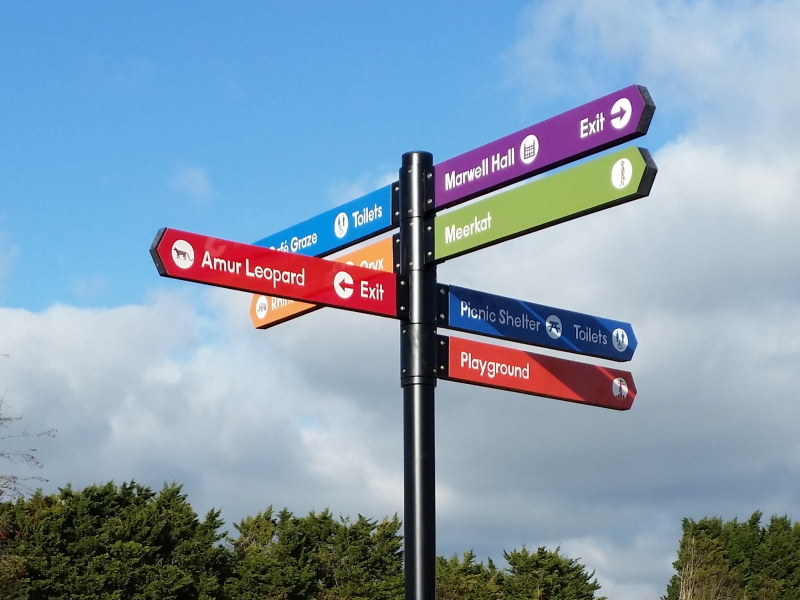
- Directional signage: Footpath signs, finger posts, and directional signs ensure visitors know where focal points or key attractions are and can explore the site confidently.
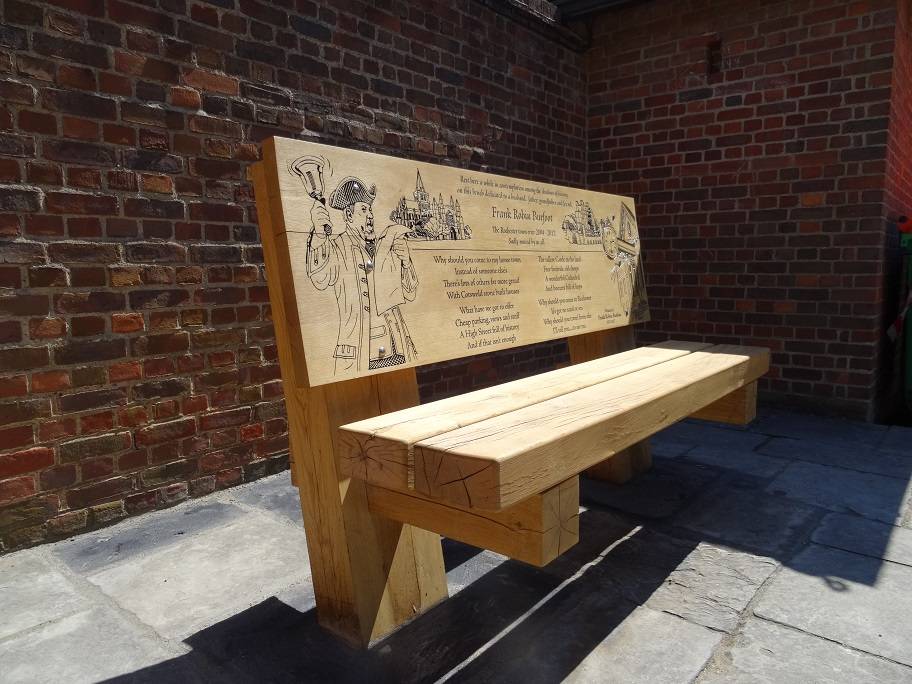
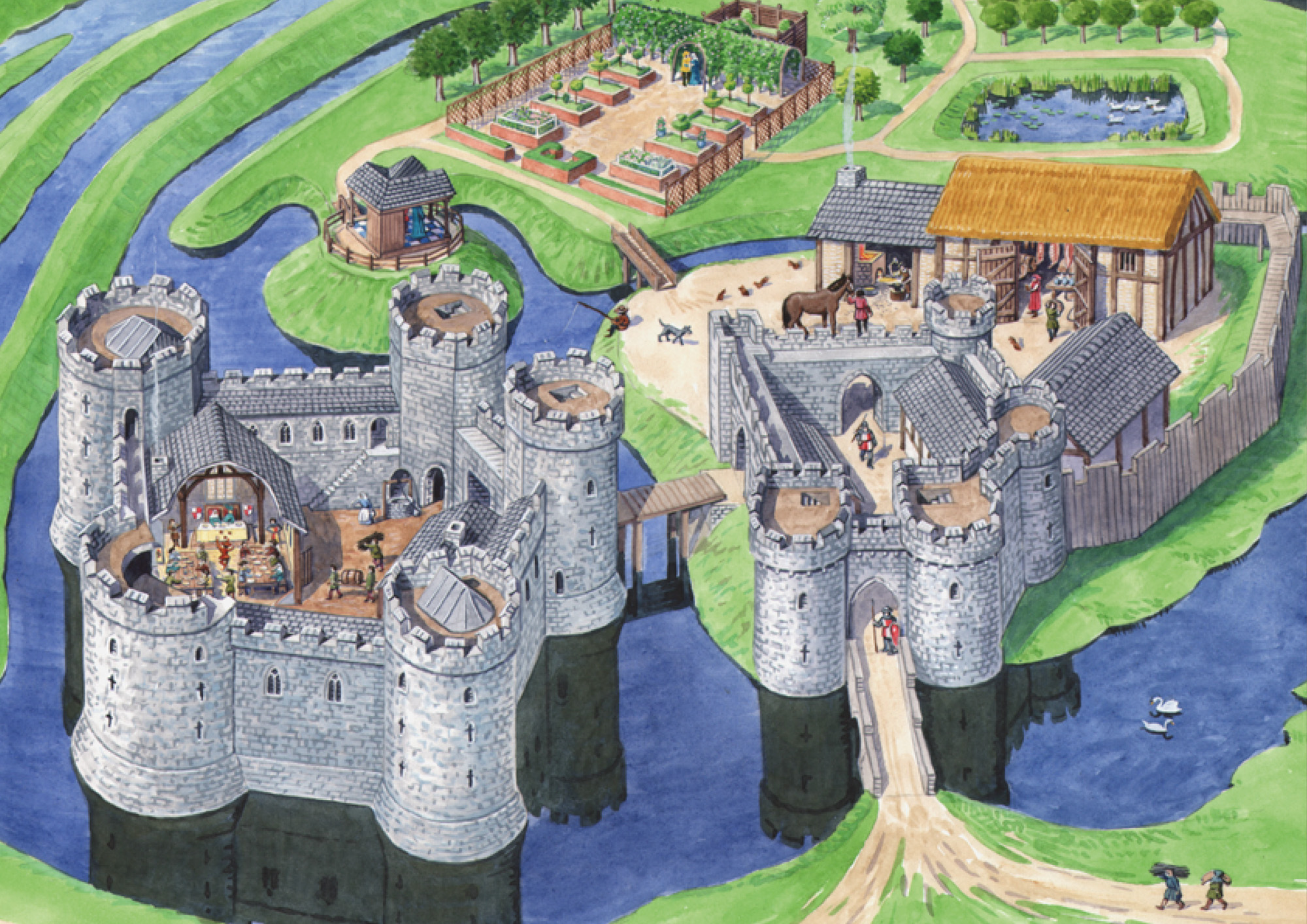
- Creative signage: Using graphic illustrations to show how a place may have once looked adds great value to each visitor and helps capture the imagination of visitors of all ages.
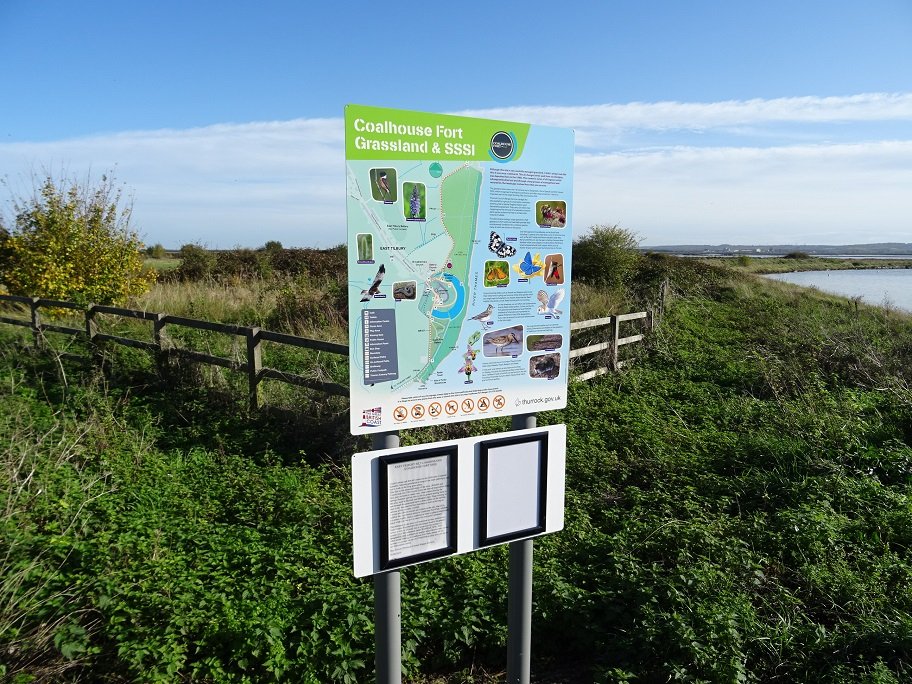
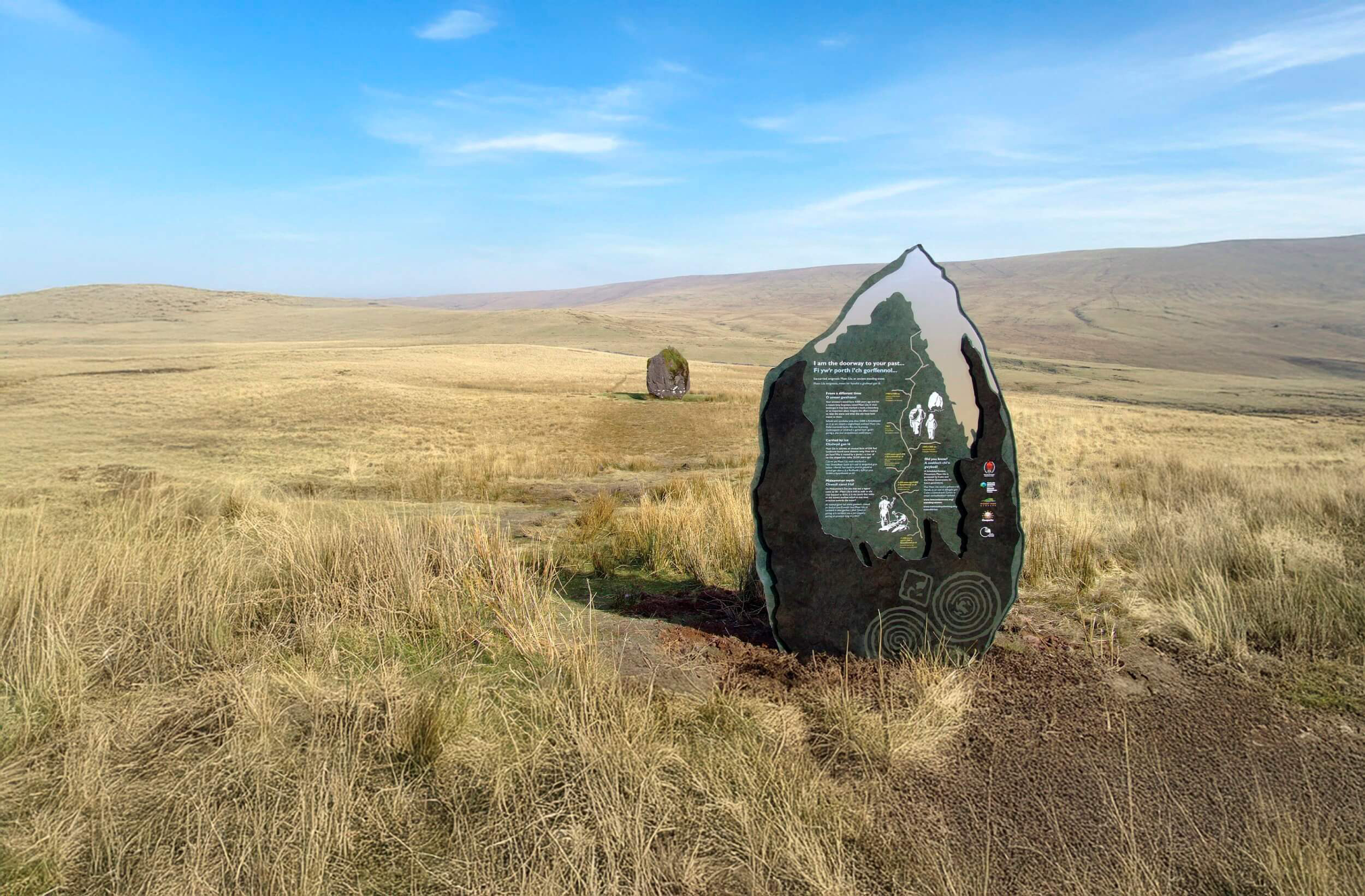
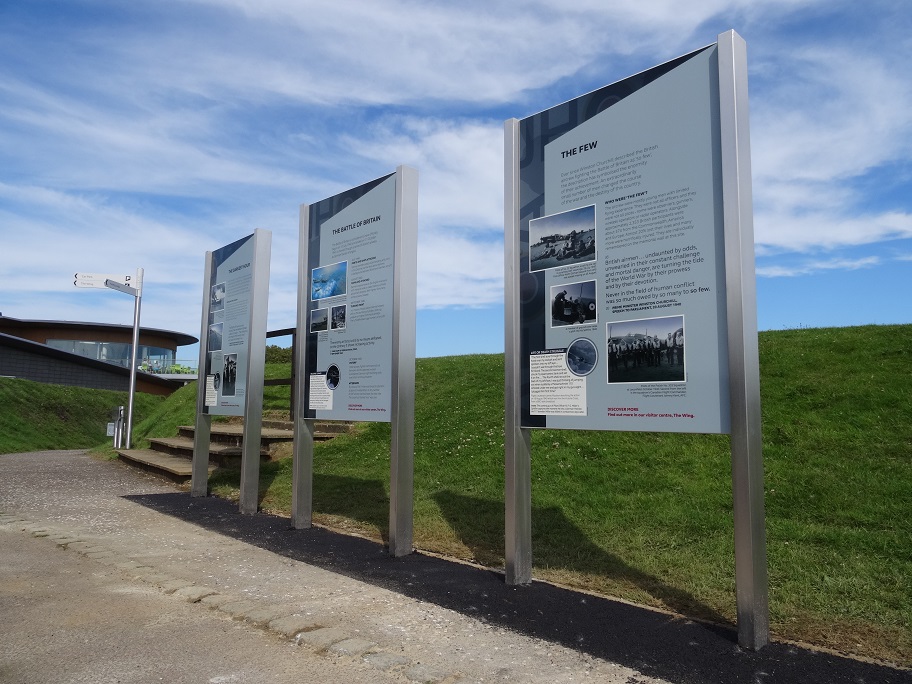
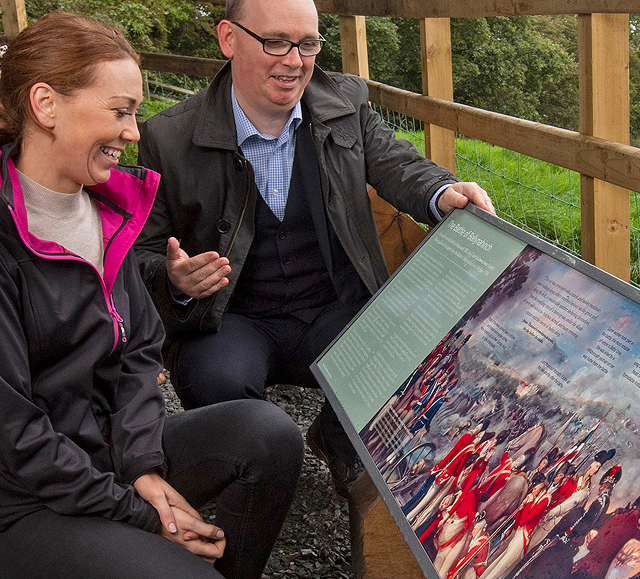
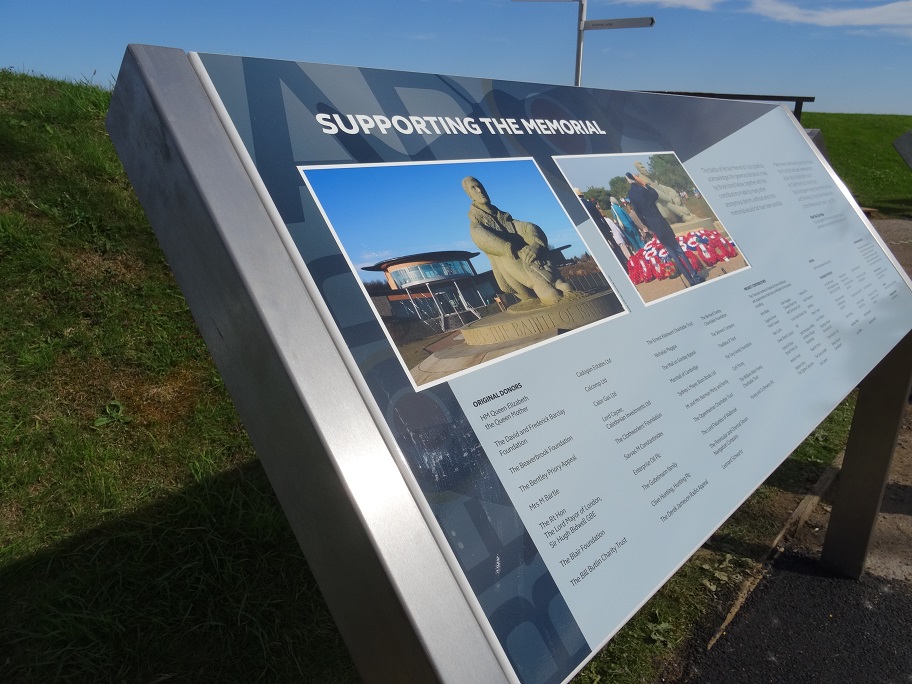
- Informational signage: Outdoor attractions and trails often use information boards to clarify and educate visitor experiences, pointing out things to look for, landscapes that have historical relevance, or other areas of interest.
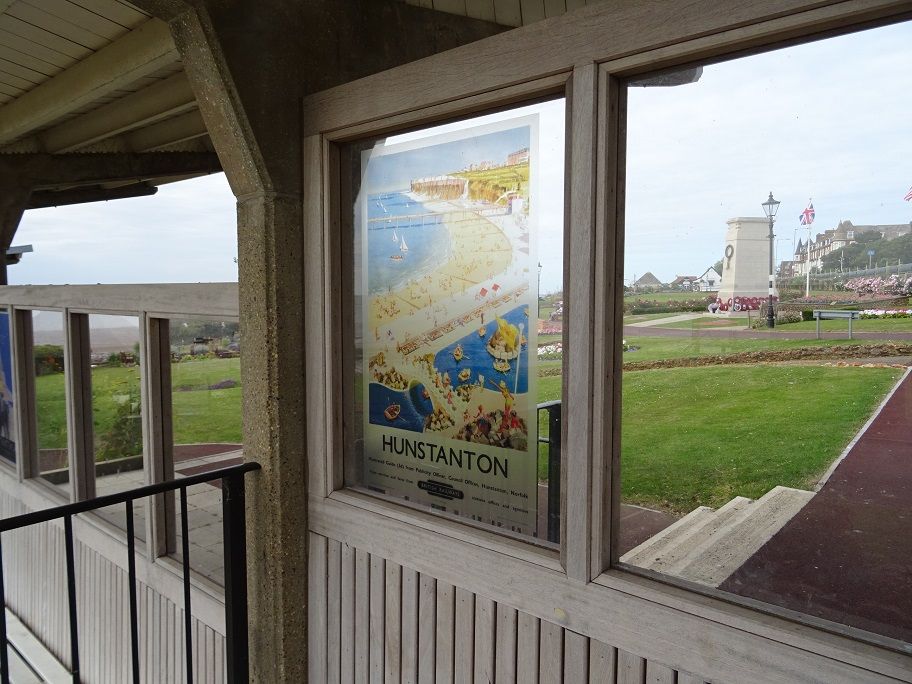
Heritage attractions often incorporate branding colours and fonts into their signage, focusing on material quality and impact to achieve the right effect. That could mean using traditional signage models and shapes to add to the atmosphere of a historical venue or using natural timbers that look seamless in outdoor environments.
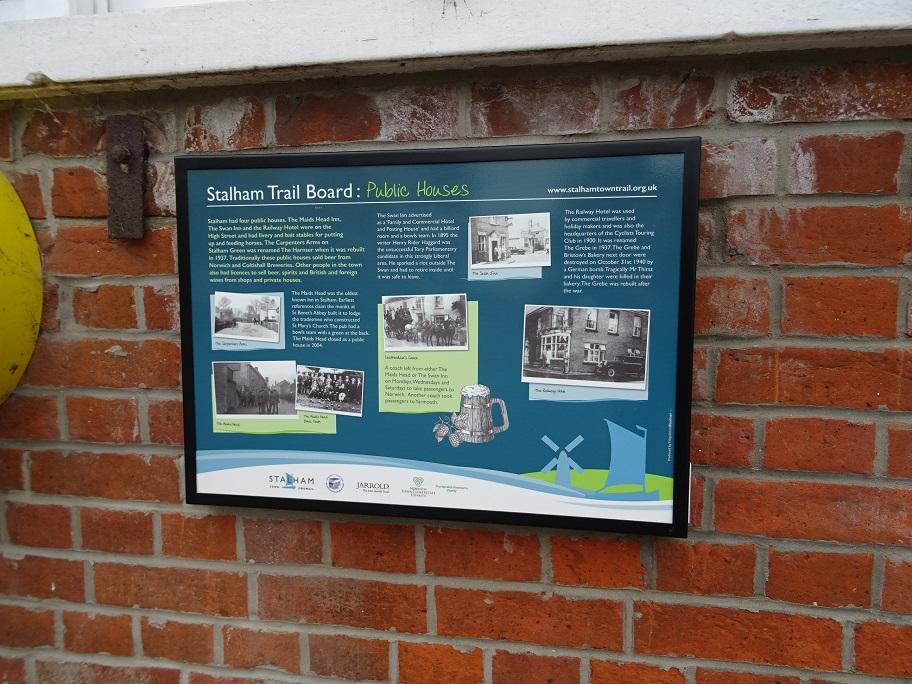
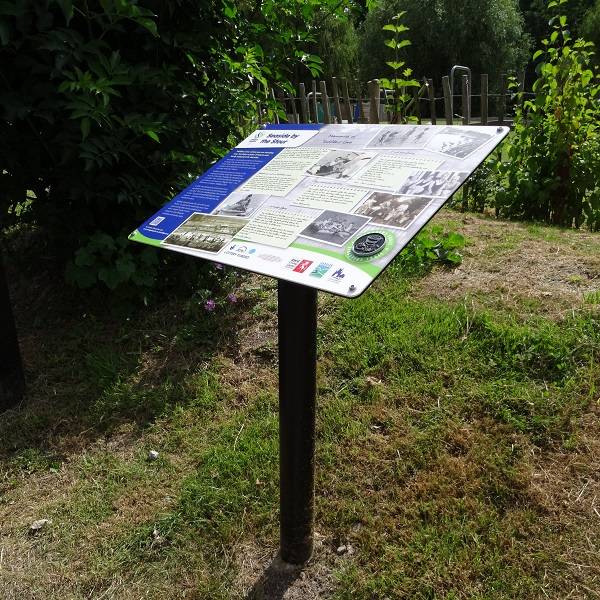
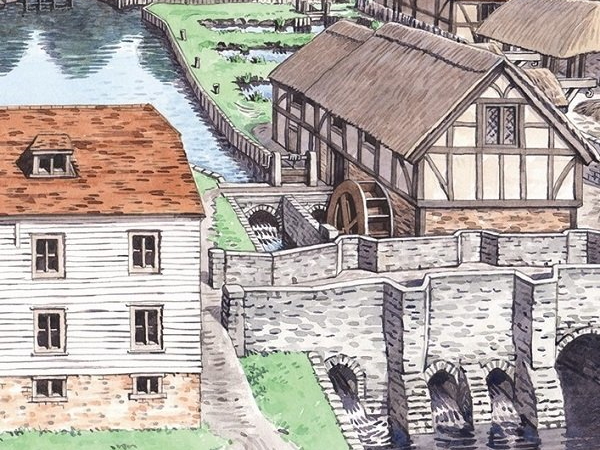
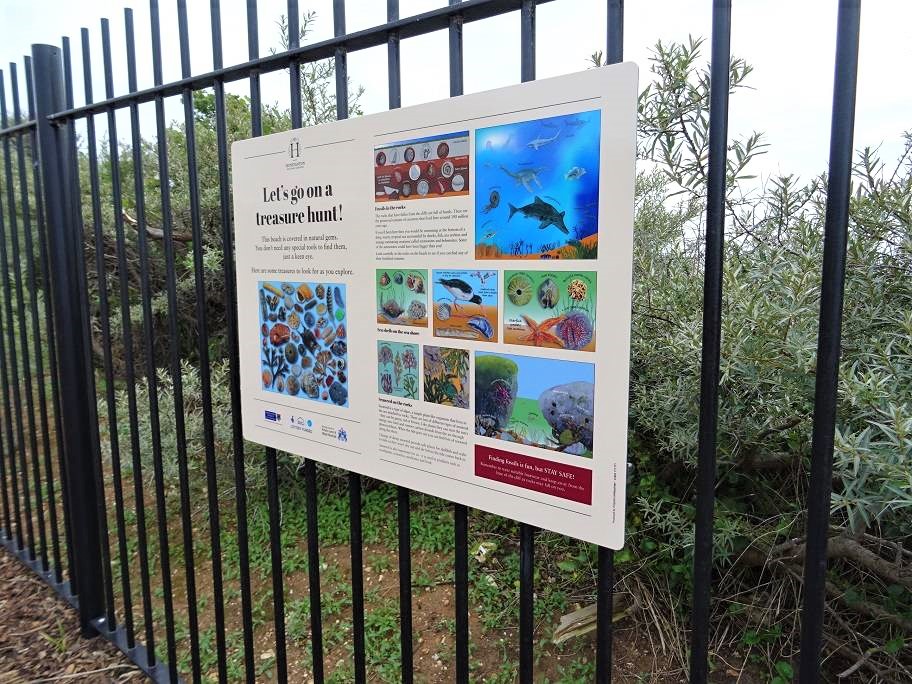
How Does Visitor Signage Help to Protect Historical Sites?
The key challenge for many site, venue, or attraction managers is to attract revenues, visitor numbers, supporters, and interest. These places need to inspire visitors to learn more, return time and again, or engage with the values and objectives of the organisation responsible for preserving and protecting the site.
Without context, even the most magnificent ancient ruins can be perceived as piles of stones, or a landscape that was once the site of a famous battle could appear to be nothing more than a field.
Adding information that generates excitement and intrigue is crucial; using signage to clarify why a place is significant, explaining its place in history, the famous people who lived, fought or worked there, and each venue’s contributions to our modern society and culture.
We often suggest using cleverly positioned signage with key points or facts highlighted, ensuring that information is delivered in a bitesize way.
Venues can then provide additional information, perhaps through individual signage panels or digital content accessed via a QR code, to avoid overwhelming visitors or providing so much detail that the pertinent facts become obscured.
Great signage not only encourages visitors to engage and learn but also makes a heritage site more meaningful to younger age groups, which can attract schools and educational groups. Teachers and education professionals recognise that a well-managed, clearly signed historical site is a fantastic way to enrich curriculums or add context to history lessons.
Why Is Signage Important for Outdoor Heritage Centres?
The role of signage in outdoor spaces such as nature reserves, battlefields, and forests is similar. It enables visitors of all ages to explore the space, engage with the venue’s history and background, and extract valuable information during their visit.
Estates managed by well-respected organisations and trusts such as English Heritage and The National Trust are perfect examples since they often look after expansive sites that could encompass:
- Ancient woodlands, forests and reserves
- Outdoor attractions such as Stonehenge and Hadrian’s Wall
- Castles, abbeys and stately homes with flower gardens, walled gardens and kitchen gardens
- Forts and ruins that were once the site of encampments or mediaeval settlements
Rather than focusing solely on directional signage around indoor venues, great signage is used throughout these spaces, using tactical positioning to provide each visitor with snippets of interesting information or as a wayfinding system that guides visitors through the site, explaining each focal point or notable artefact along the way.
Immersive signage goes beyond the practicalities of accessibility and navigation and can bring flavour, colour, and intrigue. Through displays, recreations, graphics, and illustrations, visitors can hear, see, and even smell what a site would once have looked like.
This depth of enjoyment attracts sustained visitor numbers, ranging from local people interested in the history of the place where they live to tourists and visitors from across the UK and overseas, families with younger children, community groups and schools.
Designing the Optimal Signage for a Historical Site
Our advice when developing any signage display plans or strategies is to contact the Fitzpatrick Woolmer team to arrange a convenient time to discuss your objectives and browse the numerous signage models, sizes, materials, and configurations we create.
All our high-quality signage is customised to your requirements, and we work closely with every client to ensure they achieve their aspirations, transforming a historical site into a visitor attraction that inspires, entertains, and ultimately is supported and generates the necessary revenues to remain in good condition for generations to come. You can read more about our park signage and heritage signage here.ding strategy or identifying gaps in your current wayfinding, you are very welcome to contact the Fitzpatrick Woolmer team at your convenience.