
We’ve all been in situations in which we’re trying to navigate somewhere but end up scratching our heads – not sure where to turn next. Few things are worse than the sinking feeling that you may be completely lost as the signage was unclear. In fact, this is a common phenomenon. Mazeophobia is the scientific name for the fear of being lost. From the results of a study, 24% of participants said that they get scared of being lost in unfamiliar surroundings, whilst 46% said that the feeling of being lost is unsettling (view source). The rest of us just find getting lost due to poor signage extremely frustrating – hence the importance of signage!
Signs are a crucial aspect of any business or public space. They can guide people, convey information, and help keep everyone safe. Whilst it’s important to have signage if you run a business or operate a large site, the placement of said signs is perhaps even more important. In this article, FWDP discusses areas where signs are needed to ensure the smooth running of your business or site. We’ve come up with three main areas:
- Signposting entrances to a premises
- Large Sites Where Wayfinding is Needed
- In Places Where critical Information Needs to be Communicated (i.e. health and safety)
1. Large Sites Where Wayfinding is Needed
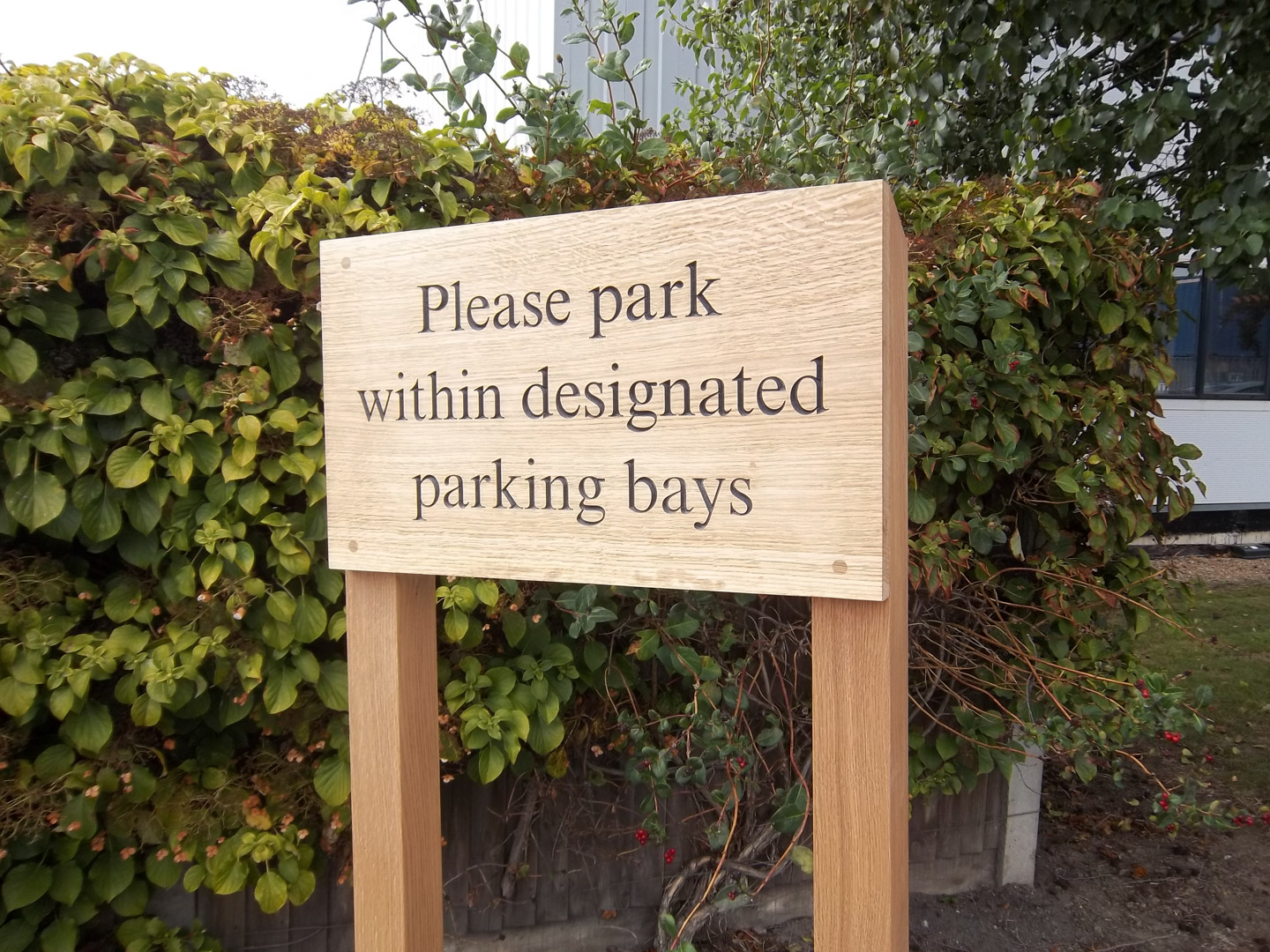
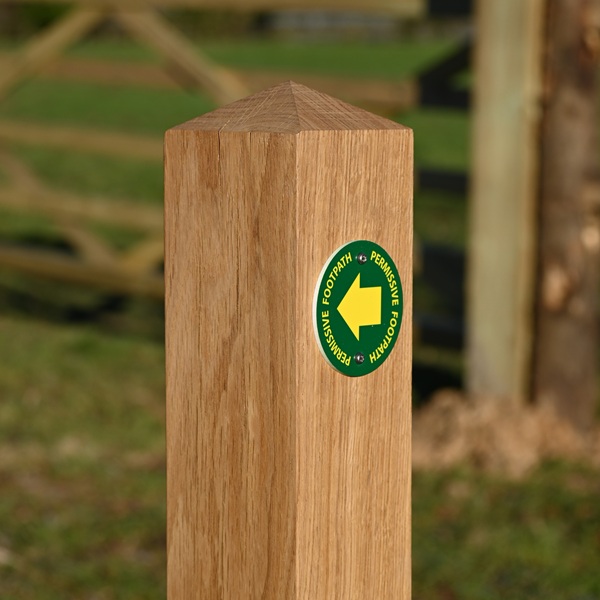
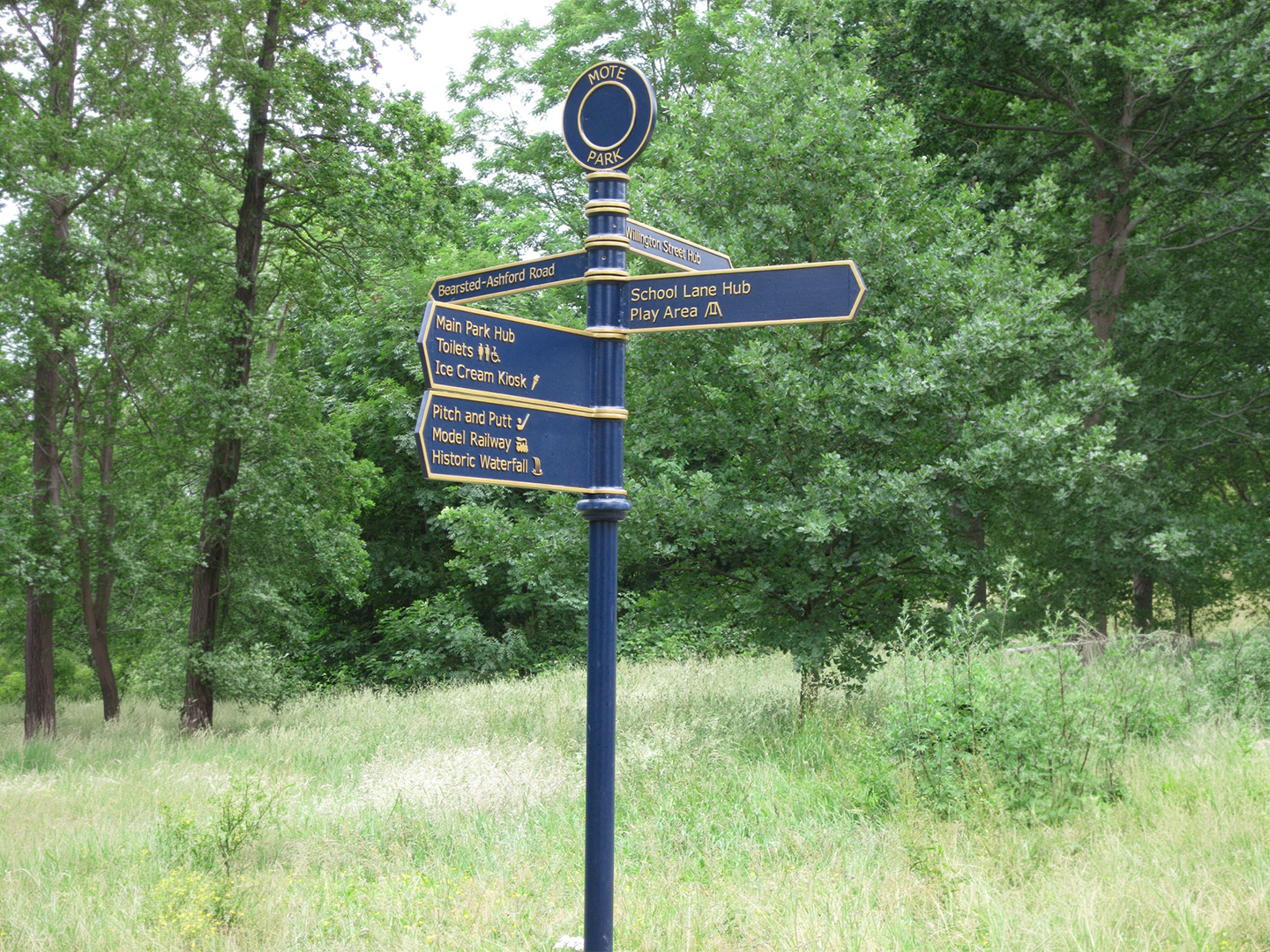
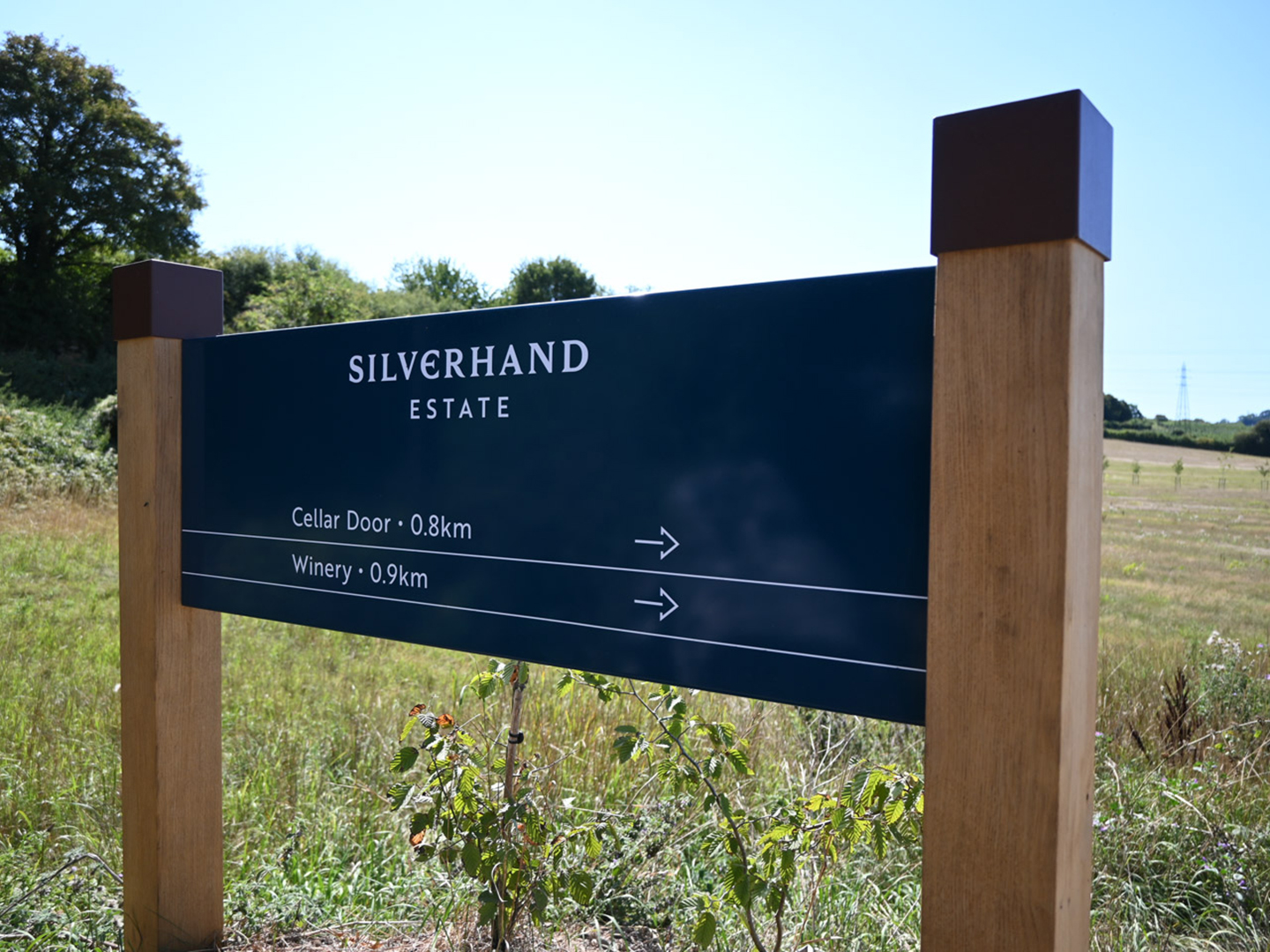
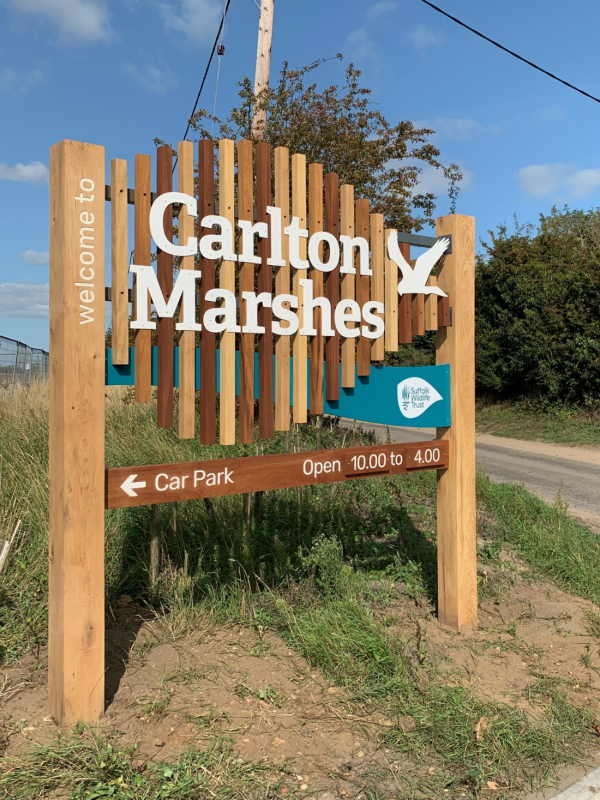
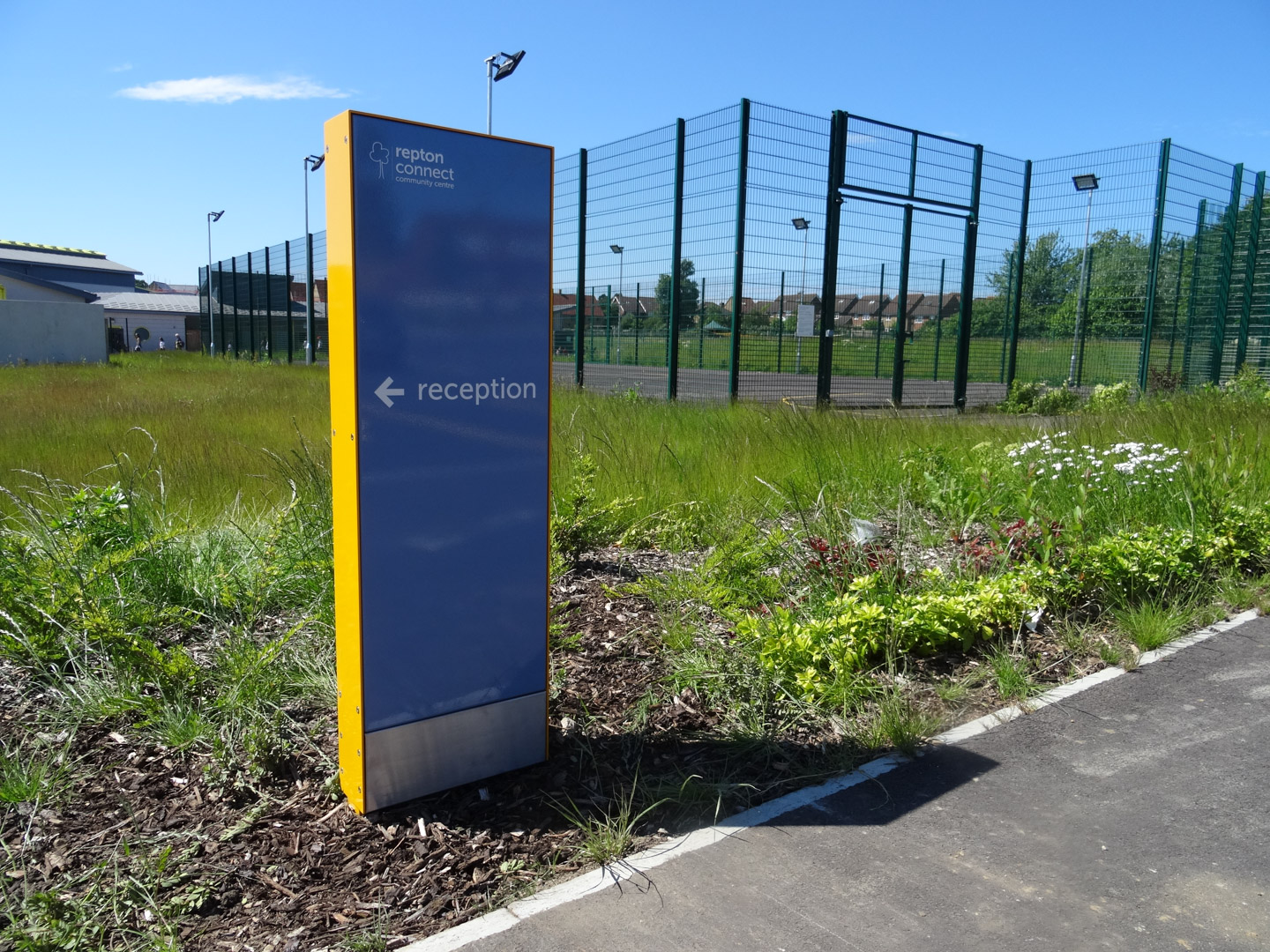
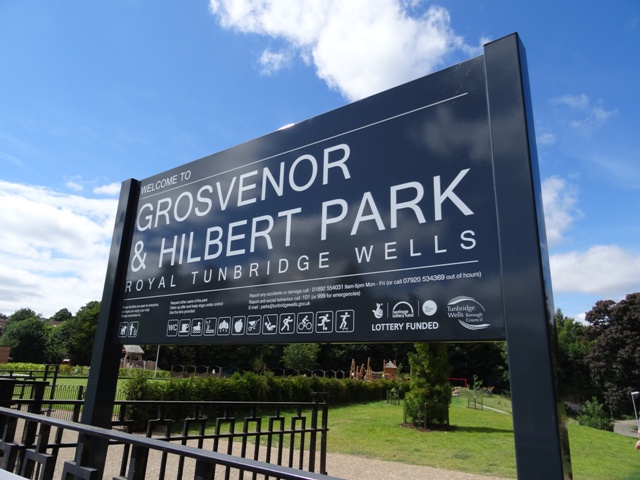
Large sites such as national parks, hospitals and universities can be overwhelming to navigate without proper wayfinding signage. Visitors can easily get lost, which can lead to – you guessed it – getting lost – which in turn leads to frustration and an overall negative experience. This is why signs are essential for directing visitors to their desired location and improving their overall experience.
Signs placed strategically throughout your site should be used to direct visitors along a specific walking path, to the nearest exit, toilet, car park, or even to specific departments within a building. They can also provide directions to important facilities, such as reception areas, restaurants, and elevators. By using clear and concise signage, visitors can easily find their way around the site, which leads to a positive experience and a higher likelihood of return visits.
Related Signage

2. In places where information legally needs to be communicated
There are a number of situations in which information needs to be communicated clearly using signage to visitors and employees. This can include things like opening hours, holiday schedules, special events, and promotions but more importantly, there may be a need to communicate key safety information and warnings. For example, a sign that says “Do Not Enter” may be needed for a restricted area in which it isn’t safe for the general public. Or a sign that says “Wet Floor” is a requirement to alert the public that there are wet surfaces present.
In the UK, you’ll find that there are areas in which there is a legal requirement for signage. For example:
- Health and Safety Signs: Employers must legally provide employees with health and safety training and information for consideration when carrying out daily tasks. One of the ways to meet this requirement is by providing health and safety signs. You may need warning signs, wet floor signs, prohibition signs, mandatory signs, emergency escape signs, and fire equipment signs to satisfy legal requirements. For more information, read the Health and Safety (Safety Signs and Signals) Regulations 1996 which sets out the legal requirements for health and safety signs in the workplace.
- Road Traffic Signs: If you’re working in a highway or road environment, you’ll need signage as stipulated by the Traffic Signs Regulations and General Directions 2016. These may include warning signs, regulatory signs, and informational signs. These signs are a must for providing information to drivers, cyclists, and pedestrians about the rules of the road, hazards, and other important information.
- Construction Sites: Construction sites should legally display signs to ensure the safety of workers and the public. You’ll typically find warning signs, prohibition signs, mandatory signs, and information signs on a construction site. The Construction (Design and Management) Regulations 2015 set out the legal requirements for health and safety signs on construction sites.
- Public Buildings: Any building that is used for public use, (most commonly hospitals, schools, and government buildings) is required by law to display a range of signs to ensure the safety of visitors and employees. These signs include emergency escape signs, fire equipment signs, and informational signs. The Building Regulations 2010 set out the legal requirements for signs in public buildings.
- Food Premises: Food premises, such as restaurants, cafes, and takeaways, are required by law to display a range of signs to ensure the safety of customers and employees. These signs include food hygiene rating signs, allergen information signs, and hand washing signs. The Food Safety Act 1990 and the Food Hygiene (England) Regulations 2013 set out the legal requirements for signs in food premises.
Related Signage
To Make an Entrance to a Premises Clear and Obvious
A study conducted by Customneon found that as many as 77% of respondents – almost 4 out of 5 – have previously had trouble finding a business due to poor signage or no signage (view source). With this in mind, it’s clear that signs not only affect the ability of your customers to find you, but they could also be having an impact on your bottom line.
Entrance signs can be used to make entrances to buildings or premises clear and obvious. This is particularly important for businesses or sites that are located in busy areas or sites that are just off the motorway / dual carriageway. A clear sign with a company logo or name helps people quickly identify the location of the business which can lead to increased foot traffic and sales.
Not only is your entrance signage important from a practical standpoint, but it’s also vital from a branding perspective. When a user enters your premises or site, your sign is the first chance to impress them – so make a statement. It can also serve as a point of reference or landmark when the general public is planning a journey, which is a branding dream.
Remember that signs are a critical aspect of any business or public space both for the safety of your visitors as well as the success of your business. They are necessary for directing people, communicating information, making entrances clear and obvious, and meeting health and safety requirements.
If you’re interested in how signs can enhance the customer satisfaction of your site, get in touch with Fitzpatrick Woolmer today. Not only are we experts in the production of quality signage, we’re experienced wayfinding experts and can help to advise on the best possible placement of your signage.