Skip to content
  • About
    • About Fitzpatrick Woolmer
    • Sustainability
    • Meet the team
    • Downloads
    About Fitzpatrick Woolmer Sustainability Meet the team Downloads

    Want to enquire about quality signage? Let’s connect! ENQUIRE NOW

  • Signage manufacture
    • Signage
    • Wayfinding
    • Furniture
    • Badging signs
    • Entrance signs
    • Graphic panels
    • Interpretation boards – wallmounting
    • Interpretation displays – freestanding
    • Lectern signs
    • Monolith and Totem signs
    • Notice boards
    • Public warning signs
    • Directional signage
    • Fingerposts
    • Ladder signs
    • Waymarking discs
    • Waymarking posts
    • Benches
      Badging signs Entrance signs Graphic panels Interpretation boards – wallmounting Interpretation displays – freestanding Lectern signs Monolith and Totem signs Notice boards Public warning signs
      Directional signage Fingerposts Ladder signs Waymarking discs Waymarking posts
      Benches

    Want to enquire about quality signage? Let’s connect! ENQUIRE NOW

  • Creative studio
    Strategy

    Strategy

    We are here to offer time-served expertise before materials are specified or even designs are developed.

    Design

    Design

    Our design service translates strategy into tangible, buildable heritage and outdoor signage solutions.

    Realisation

    Realisation

    Our in-house manufacturing capability allows us to maintain control over materials, finishes and tolerances.

    Want to enquire about quality signage? Let’s connect! ENQUIRE NOW

  • Stories & more
  • News
  • Outdoor signage tips
Enquire Now
  • About
    • About
    • About Fitzpatrick Woolmer
    • Sustainability
    • Meet the team
    • Downloads
  • Signage manufacture
    • Signage manufacture
    • Signage
      • Signage
      • Badging signs
      • Entrance signs
      • Graphic panels
      • Interpretation boards – wallmounting
      • Interpretation displays – freestanding
      • Lectern signs
      • Monolith and Totem signs
      • Notice boards
      • Public warning signs
    • Wayfinding
      • Wayfinding
      • Directional signage
      • Fingerposts
      • Ladder signs
      • Waymarking discs
      • Waymarking posts
    • Furniture
      • Furniture
      • Benches
  • Creative studio
    • Creative studio
    • Strategy
    • Design
    • Realisation
  • Stories & more
  • News
  • Outdoor signage tips
Enquire Now
Feature

How to audit and replace existing heritage signage

A visitor following one sign should be able to trust the next.  

But at heritage sites, signage is often added to or adapted over many years. Routes change, information becomes outdated and individual signs begin to look different from one another. Eventually, what was once a useful wayfinding scheme can become difficult to follow.  

The temptation may be to replace the signs that look tired or damaged. Yet before making any changes, it is worth asking a wider question. How well is the existing signage working for the people who use it?  

That is where a heritage signage audit becomes valuable. 

A good starting point is to walk through the site from a visitor’s perspective. Can signs be seen clearly from the direction people approach them? Are routes easy to follow? Is the information accurate, and does it remain consistent from one location to the next?

Over time, different styles of signage may have been introduced across an estate, cathedral or historic building. Materials, colours and terminology can vary, sometimes leaving visitors with information that feels disconnected.


Maps should be considered as part of this review too. Good wayfinding map design relies on accurate information and clear routes. If a map shows one route while nearby signs suggest another, visitors are left to work it out for themselves.

A consistent signage scheme helps people move through a site with confidence, without having to question the information in front of them.
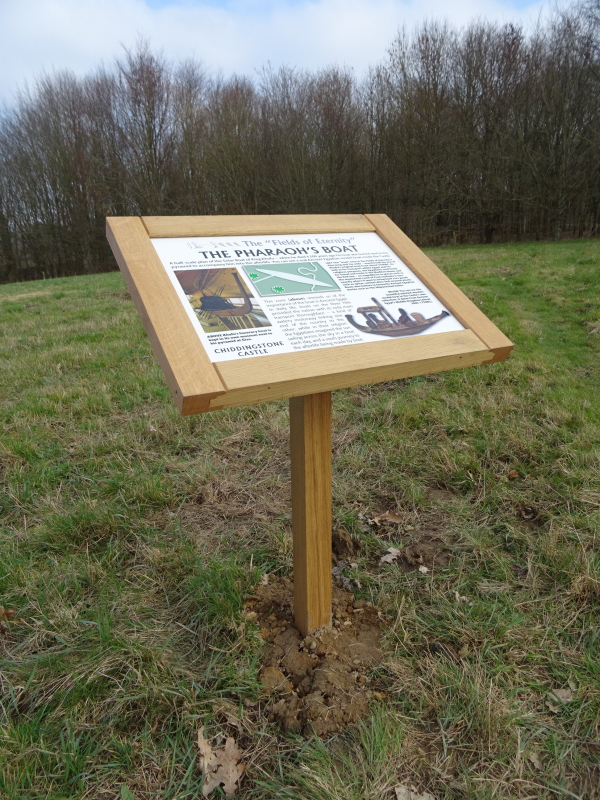
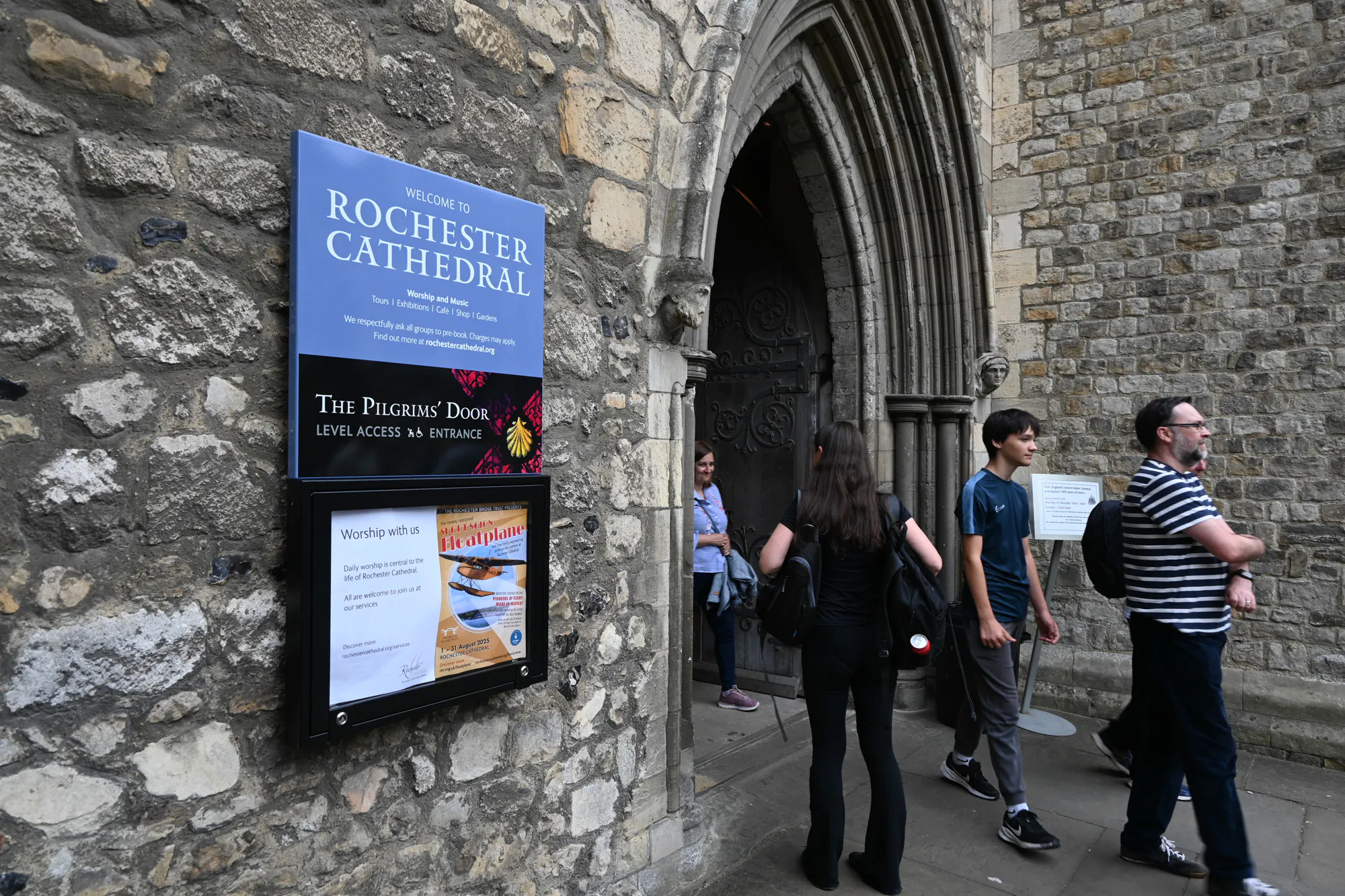
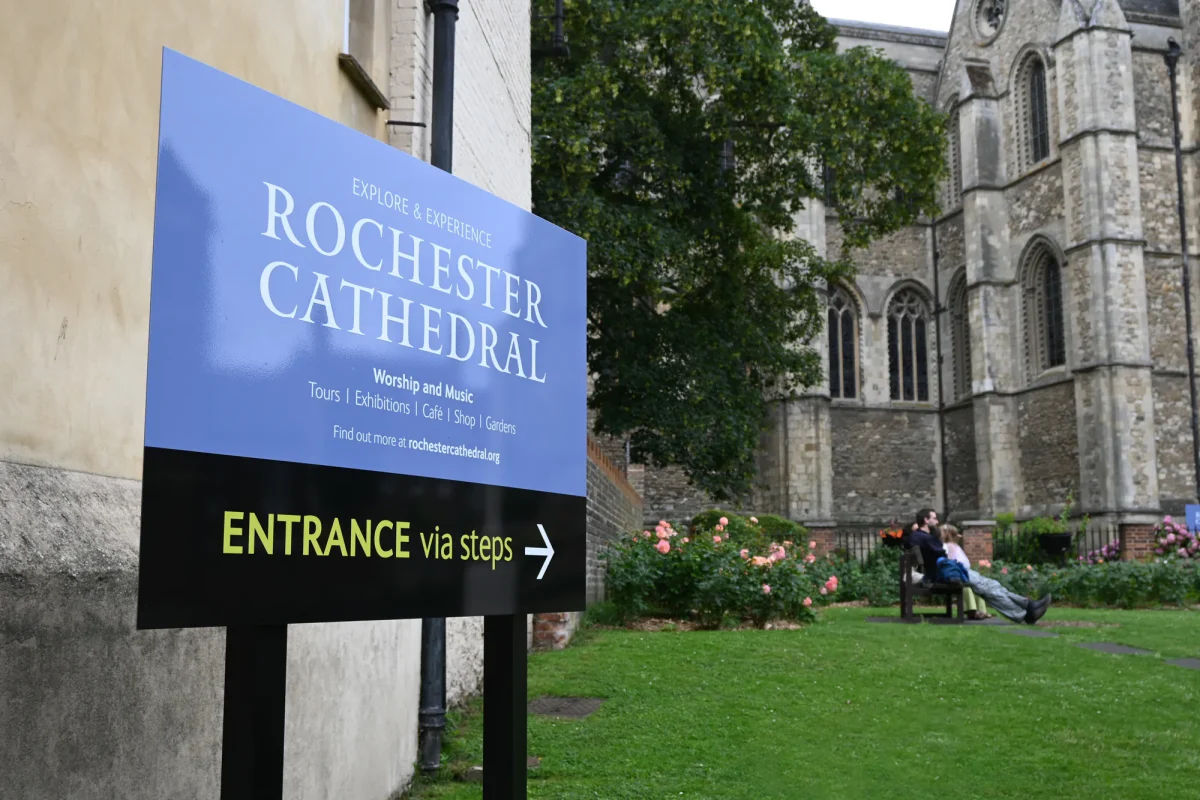
Our work at Rochester Cathedral provides a good example of why looking at the wider scheme matters.

The Cathedral’s existing external signage had become inconsistent, with different materials and formats introduced across the site. Changeable information, including opening hours, had also been incorporated directly into the signs, making updates difficult and affecting their appearance over time.

Working alongside Olley Design, we manufactured and installed a new external wayfinding scheme that brought greater consistency to the site. The new scheme simplified information, made directions clearer and improved guidance for wheelchair and buggy access routes.

The project shows how replacing outdated signage can be an opportunity to improve the wider visitor experience, rather than simply update the appearance of individual signs.
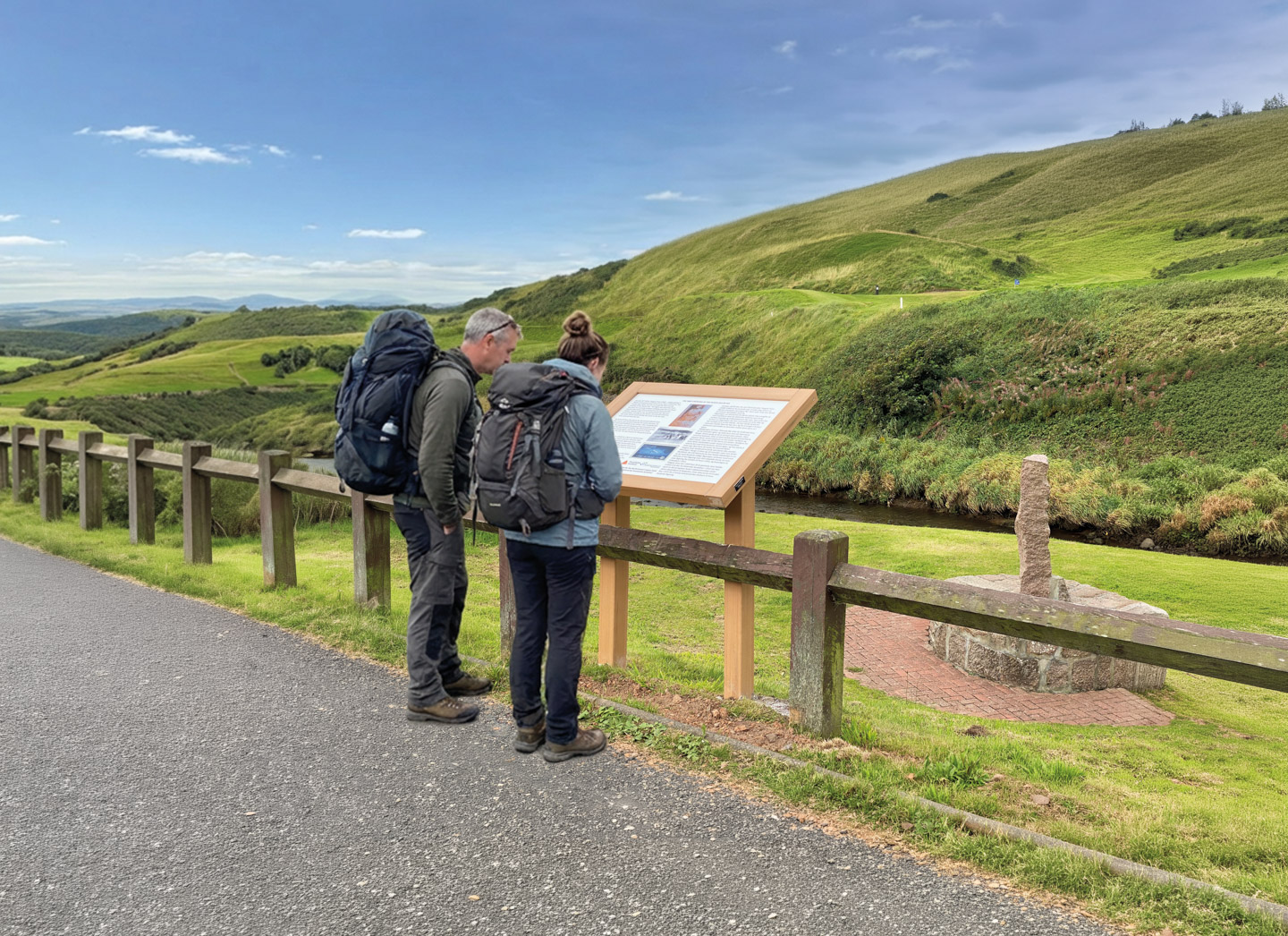
Of course, not every sign identified during an audit will need replacing.

A weathered timber sign may still be structurally sound, while a damaged panel or outdated graphic might be replaced without disturbing the original structure. As we explore in our article on repairing, refurbishing or replacing outdoor signage, retaining serviceable components can help extend the life of existing signage and avoid unnecessary waste.

It is also worth considering how the signage will be maintained in the years ahead. If opening times, visitor information or routes are likely to change, designing signs with replaceable panels or components can make future updates much more straightforward.

Some signs may need replacing, while others might benefit from repair, repositioning or removal. What matters is making considered decisions that improve the visitor experience while respecting the character of the site.

If you’re reviewing the signage at a heritage site, our team can help you understand what is working and where improvements may be needed. Get in touch to discuss your existing scheme.
Related Features

Feature

Types of signage

Learn about the different types of signs and how each one supports navigation, communication, safety, and visitor engagement across a range of environments.
Read more
Types of signage

Feature

Roydon Common, Norfolk Wildlife Trust

Learn how the Roydon Common project used interpretation and wayfinding to help visitors engage with the site’s wildlife, habitats, and natural heritage.
Read more
Roydon Common, Norfolk Wildlife Trust

Feature

Salmons Brook, Thames 21

Discover how the Salmons Brook project combined interpretation and wayfinding to reconnect visitors with the landscape, wildlife, and environmental heritage of the area.
Read more
Salmons Brook, Thames 21

Let’s start a
conversation

We’d love to hear from you, let’s have a conversation about what we can do to help your signage needs.

Enquire now 01634 711 771
Fitzpatrick Woolmer

About

  • About us
  • Sustainability
  • Meet the team
  • Downloads

Signage Manufacture

  • Signage
  • Wayfinding
  • Furniture

Creative STUDIO

  • Strategy
  • Stories & more
  • Design
  • Outdoor signage tips
  • Realisation
  • Enquire now
  • Terms & Conditions
  • Privacy Policy
  • Cookie Policy

Copyright © 2026 Fitzpatrick Woolmer Design & Publishing Ltd | All Rights Reserved.

Fitzpatrick Woolmer is a trading name of Fitzpatrick Woolmer Design and Publishing Limited | Registered In England and Wales | Company Number 3079302
Registered Company Address: Unit 7 Lakeside Park, Neptune Close, Rochester, Kent, ME2 4LT
VAT No: 653730634