Commissioned by St Albans City & District Council, the Verulamium Park wayfinding and interpretation project transformed the visitor experience across one of the UK’s most historically significant public parks. Built above the buried Roman city of Verulamium, the park offered a unique opportunity to connect visitors with layers of archaeology, landscape and history hidden beneath the surface.
Our team were elated to be asked to develop a complete site-wide creative solution that combined wayfinding, interpretation, visitor orientation and brand identity into one cohesive and engaging visitor experience.
The brief
The project aimed to create a sensitive and accessible interpretation scheme that could help visitors better understand both the archaeological importance of the site and the wider natural landscape of the park.
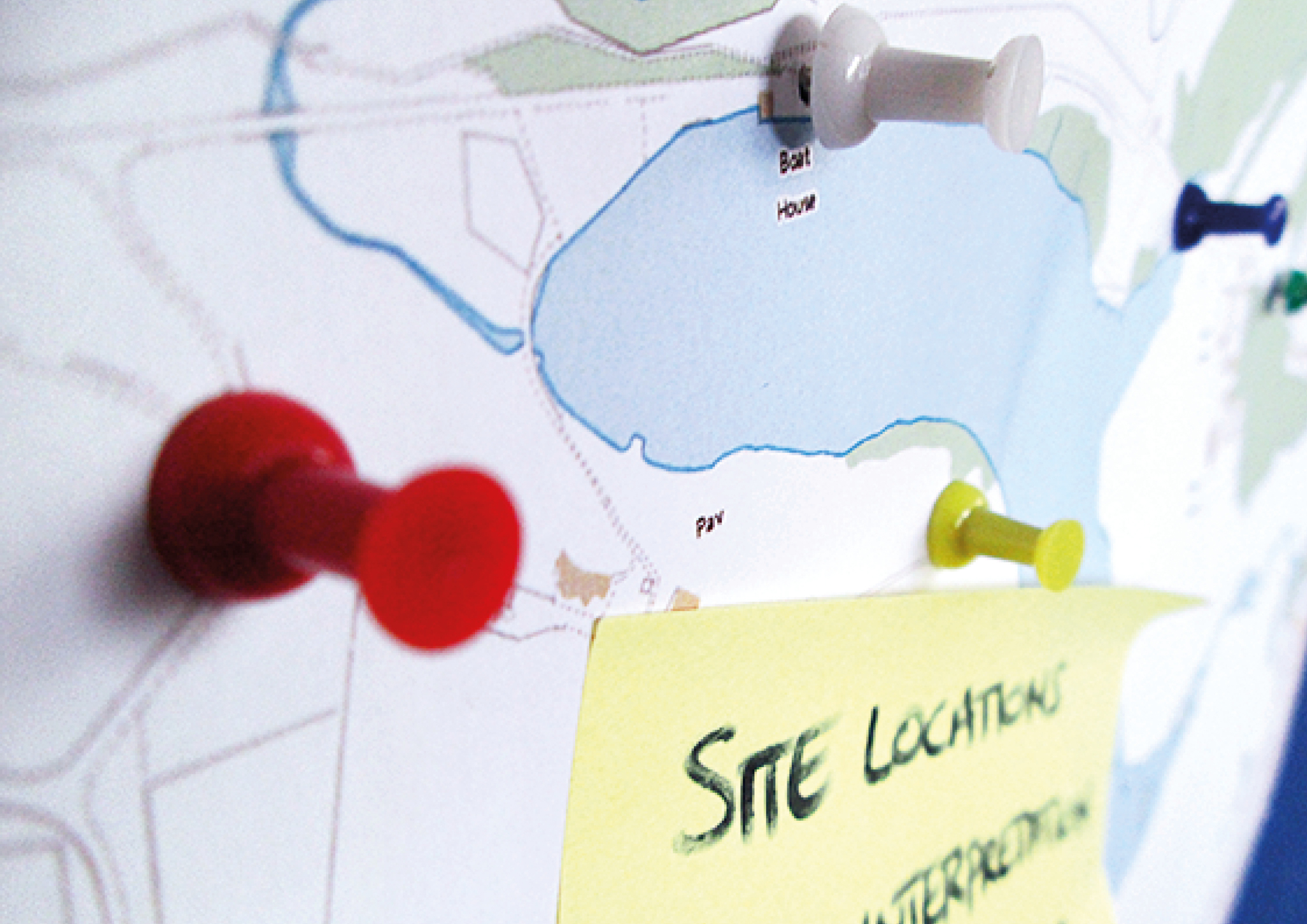
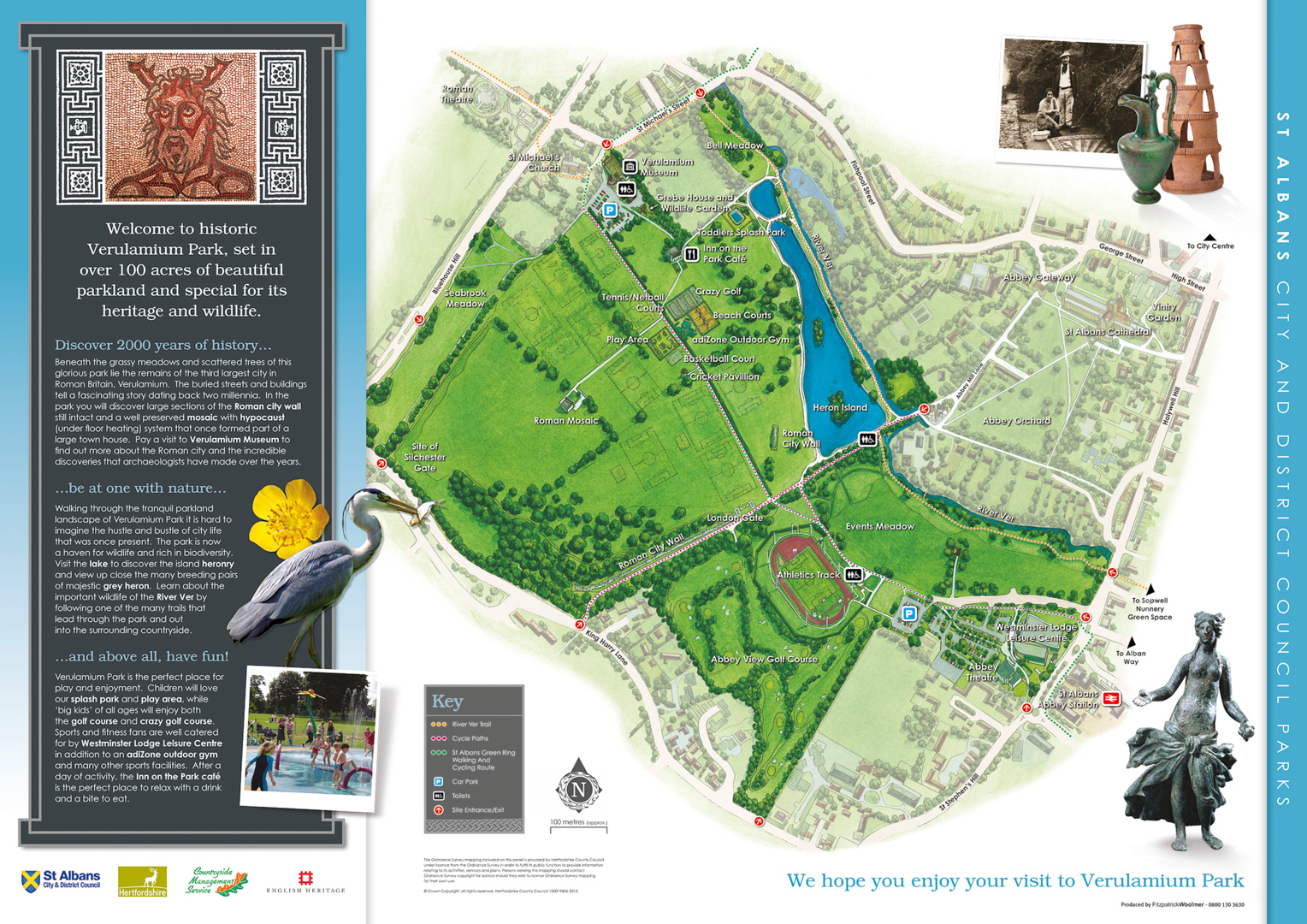
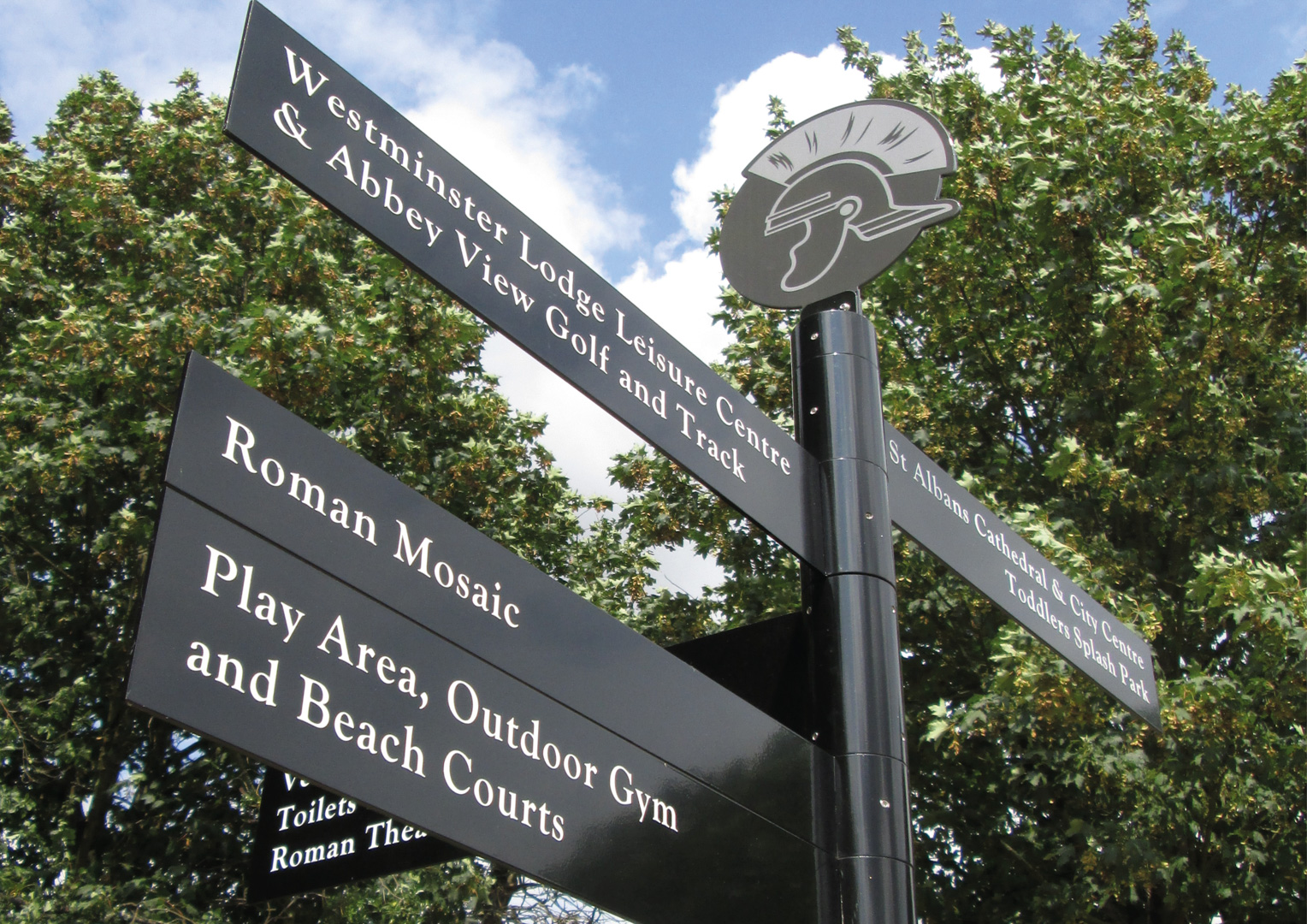
We began the project with extensive site surveys and audits of the existing signage network, carefully analysing visitor journeys, key viewpoints and opportunities to improve orientation throughout the park. From this research, a clear visual language was developed that could be consistently applied across entrance signage, interpretation displays, maps, fingerposts and visitor literature.
Design principles
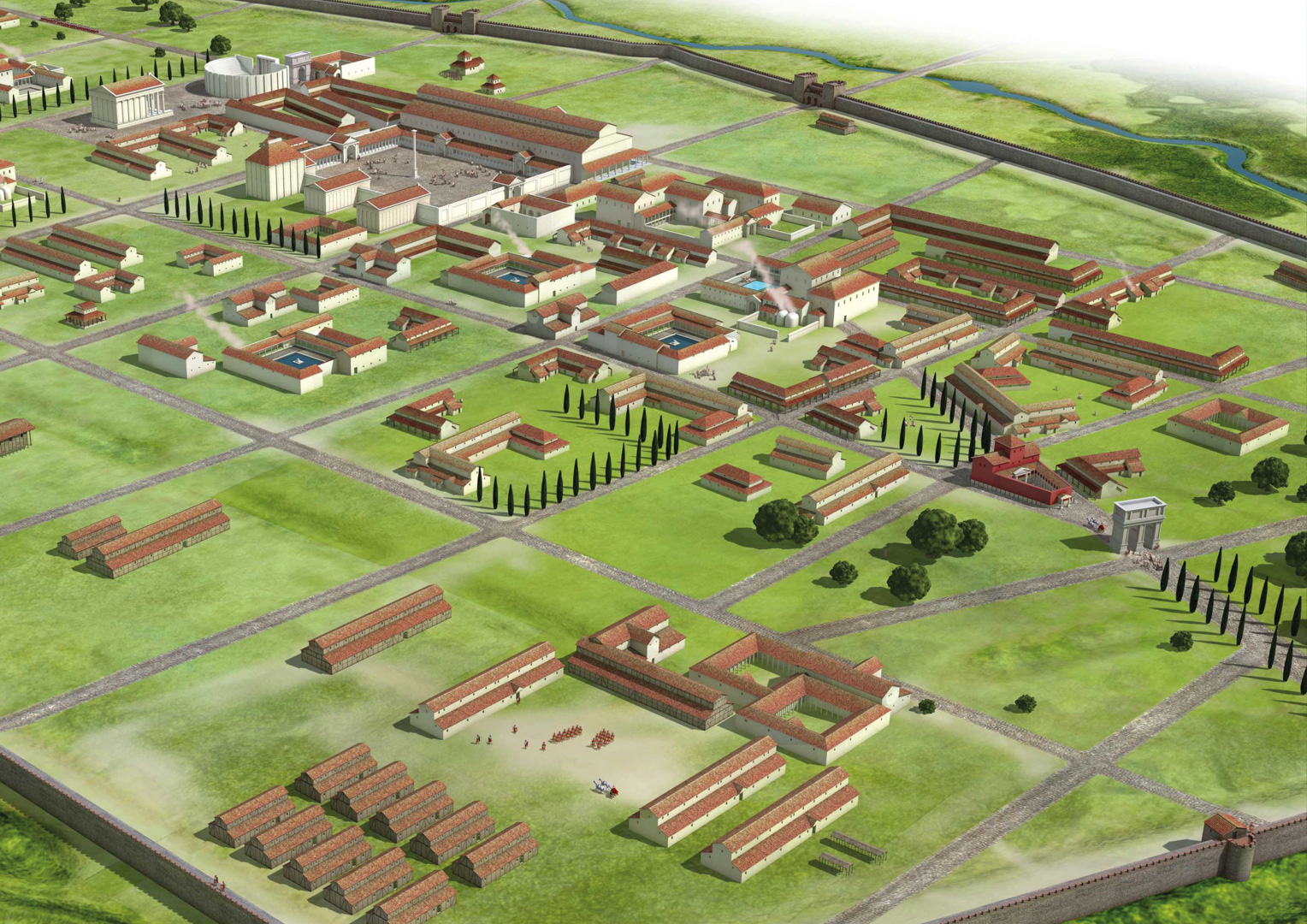
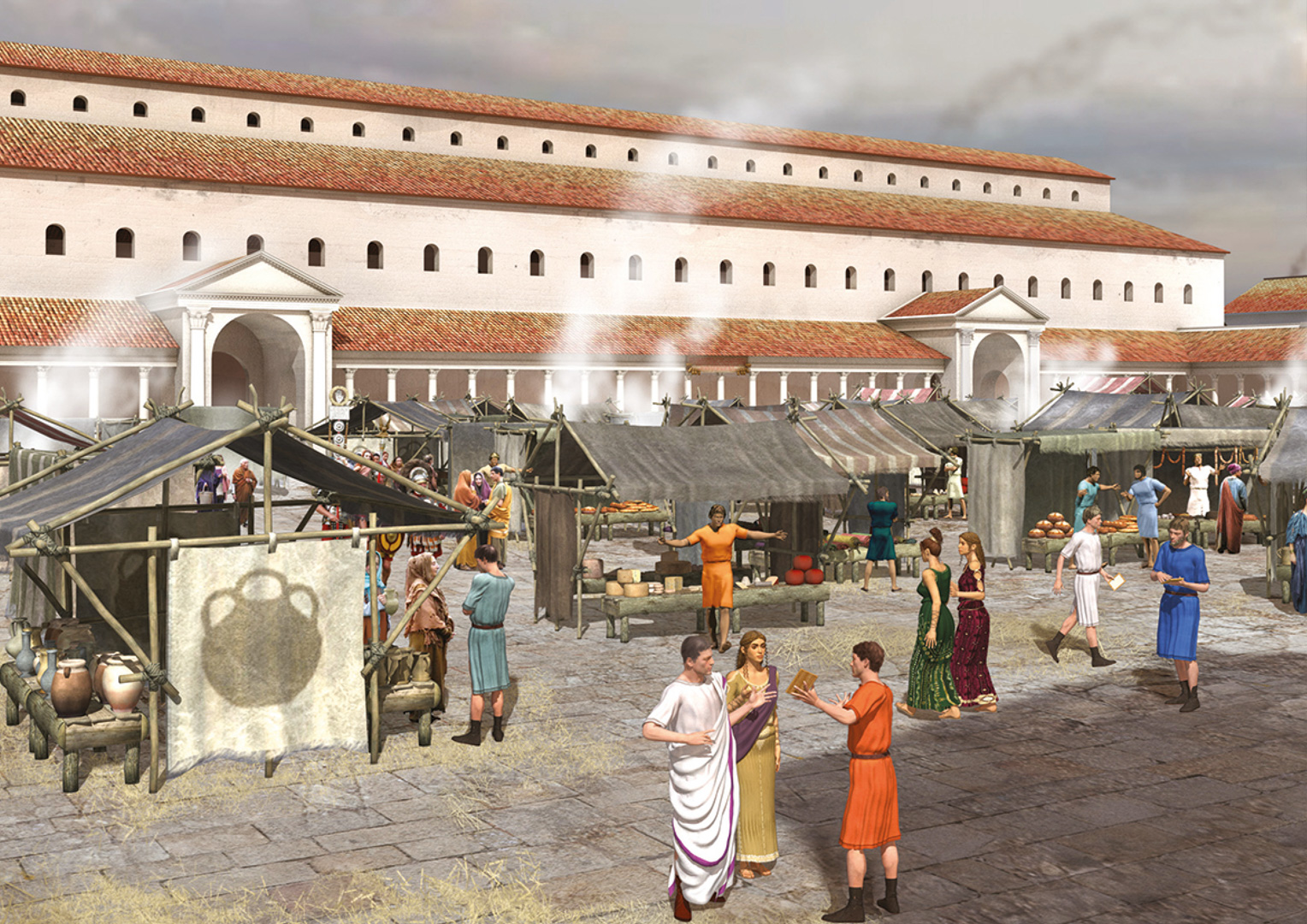
A central focus of the project was making the history of Roman Verulamium feel vivid, accessible and immersive for a broad audience. Rather than presenting archaeology in a purely factual way, the interpretation combined historical storytelling with richly detailed visual content designed to help visitors imagine how the ancient city may once have looked and felt.
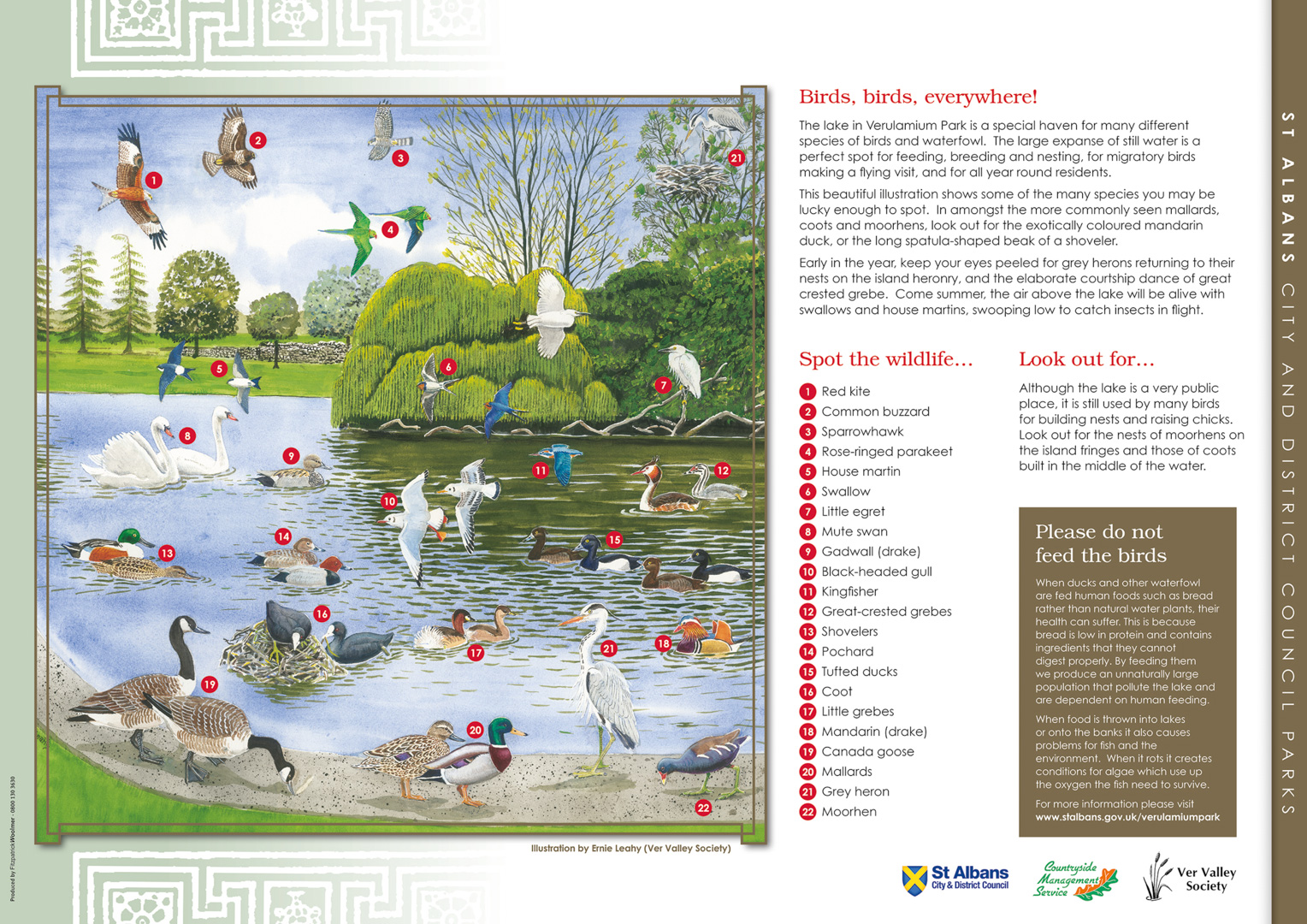
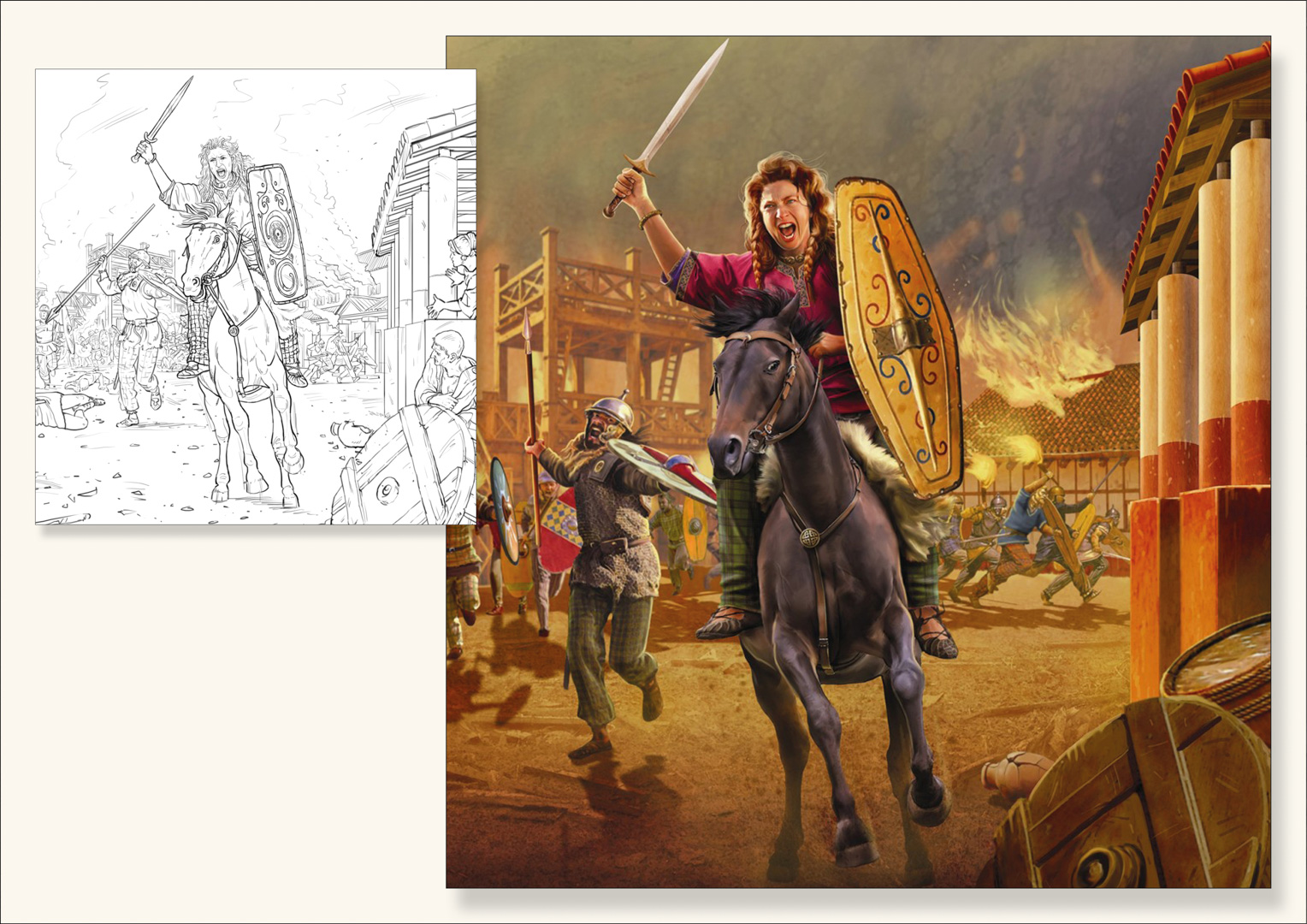
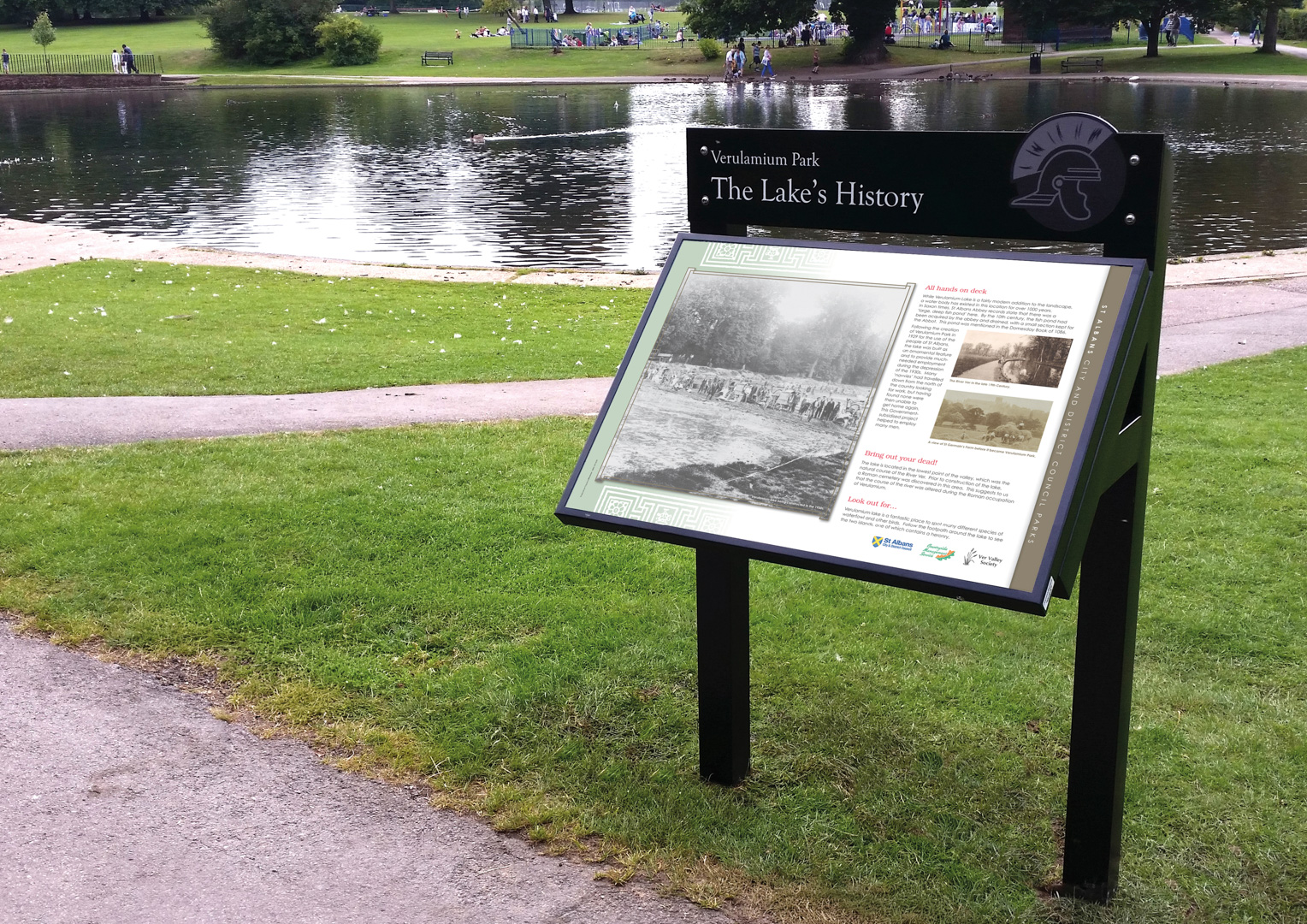
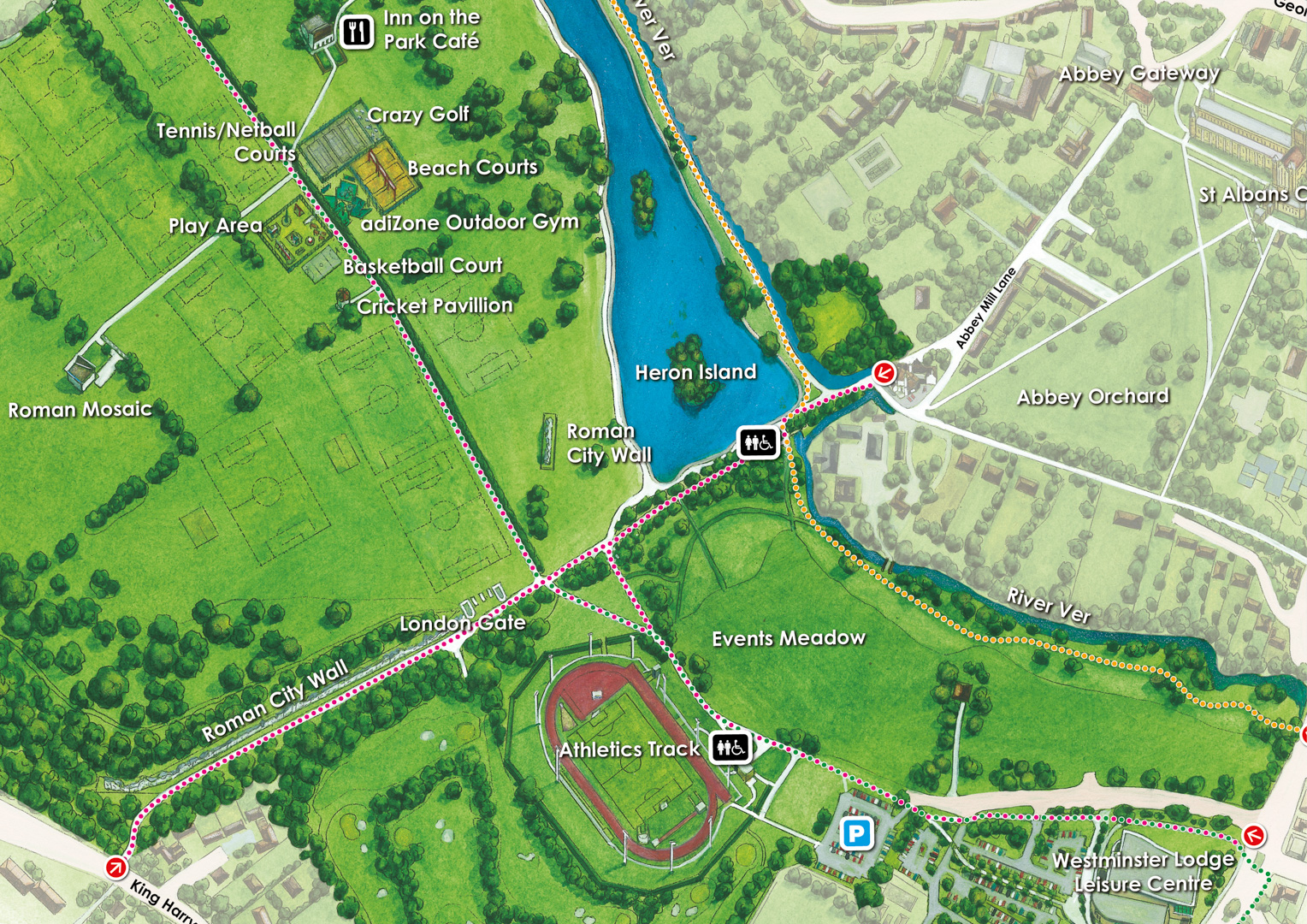
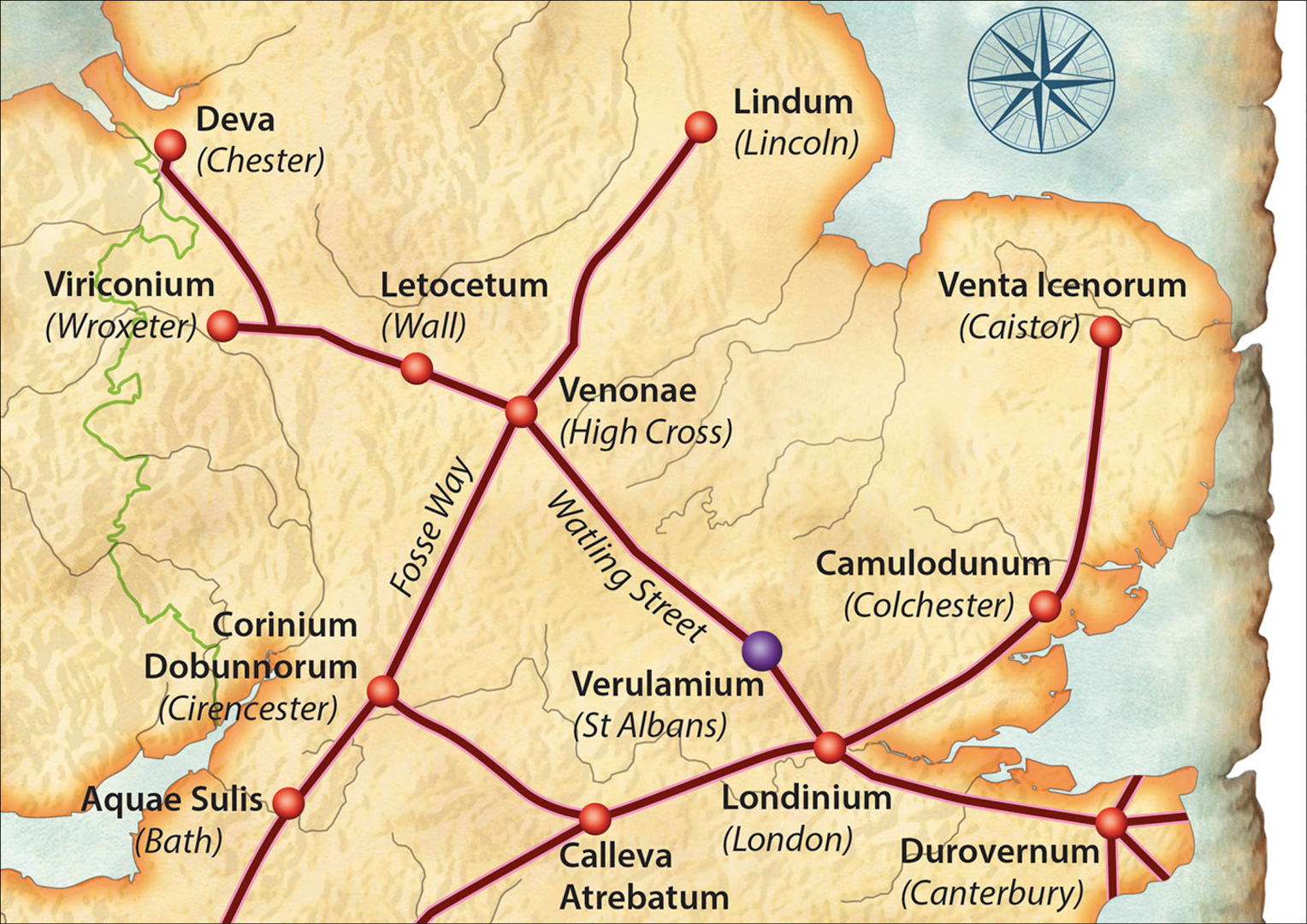
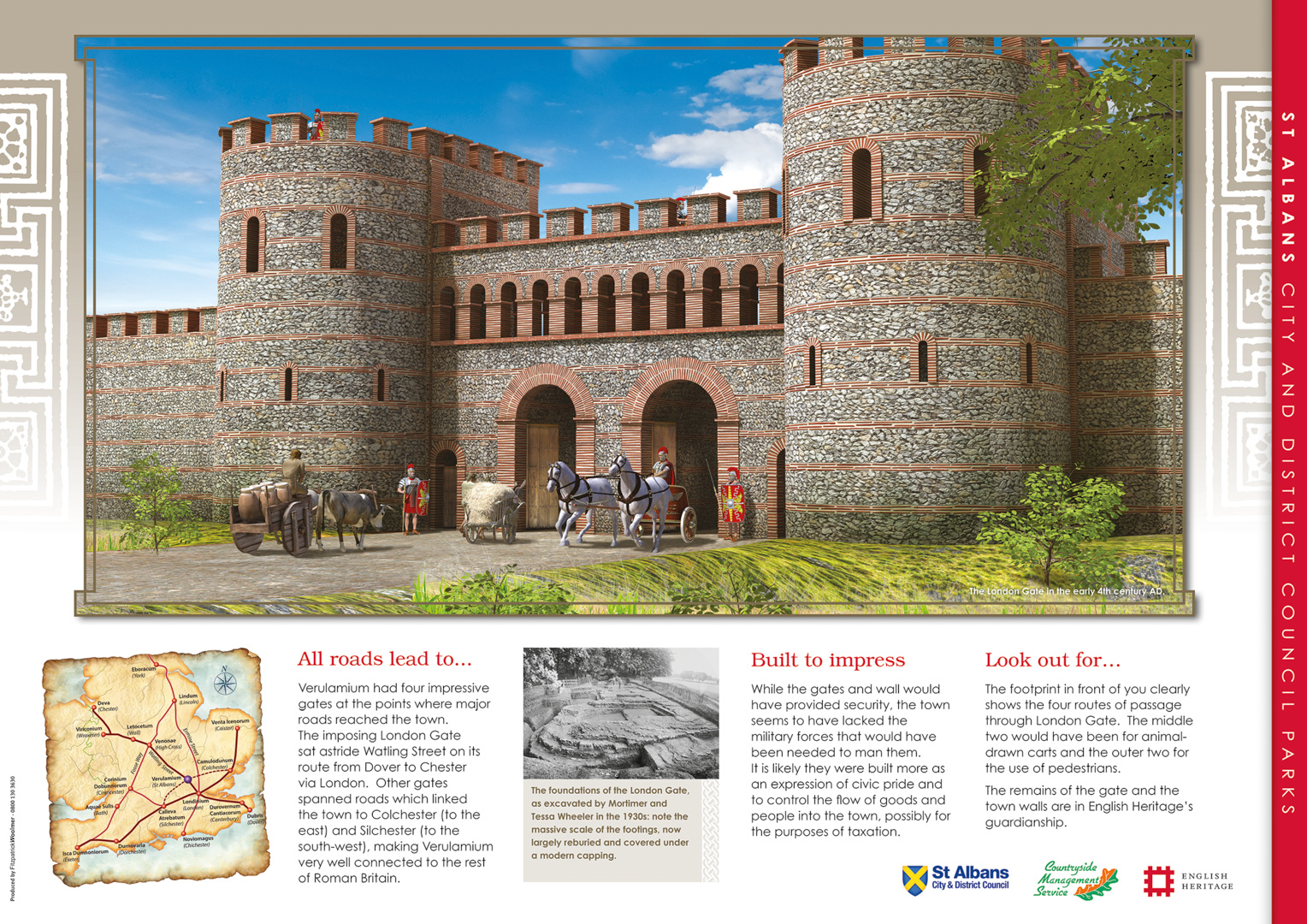
We created a large suite of bespoke illustrations and interpretive graphics, including detailed watercolour maps, CGI reconstructions, immersive re-enactment artwork and hybrid historical illustrations. Drawing on aerial photography, Ordnance Survey data, archaeological reference material and on-site surveys, the creative team developed artwork that balanced historical accuracy with atmospheric visual storytelling.
The design process itself was highly collaborative, with pencil compositions, concept sketches and wireframe CGI visuals shared throughout development to allow the client and stakeholders to refine and shape the artwork before final rendering and watercolour finishing.
Our approach
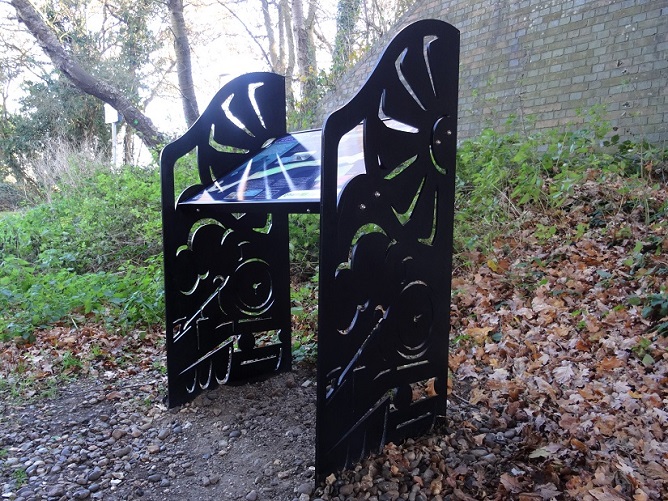
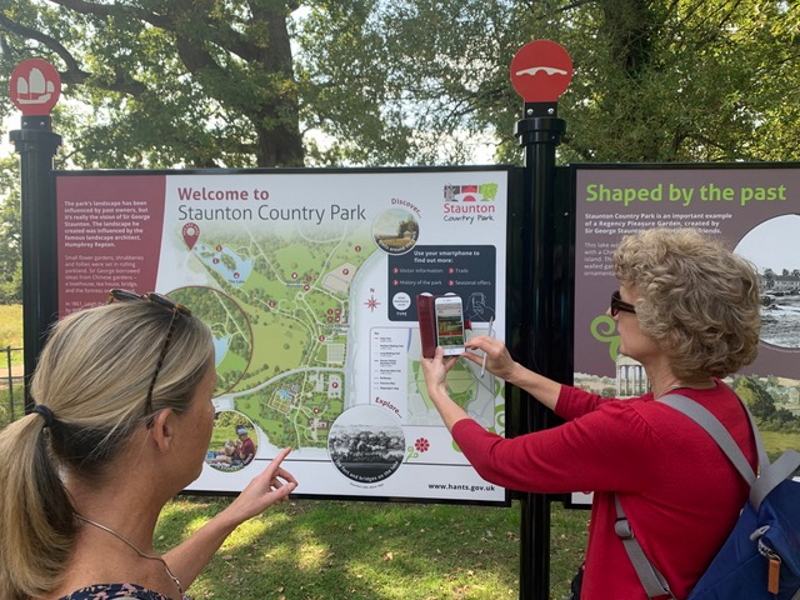
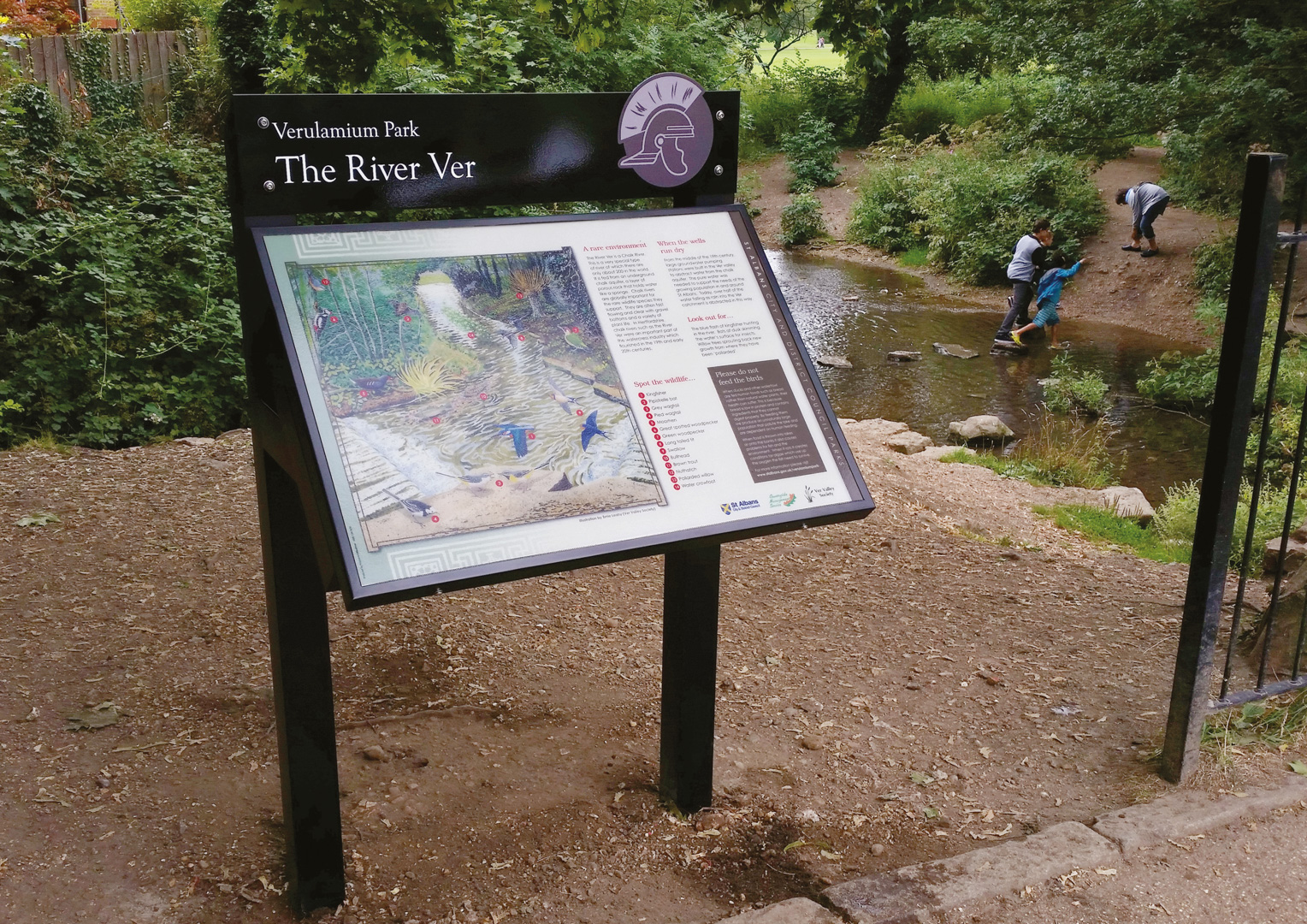
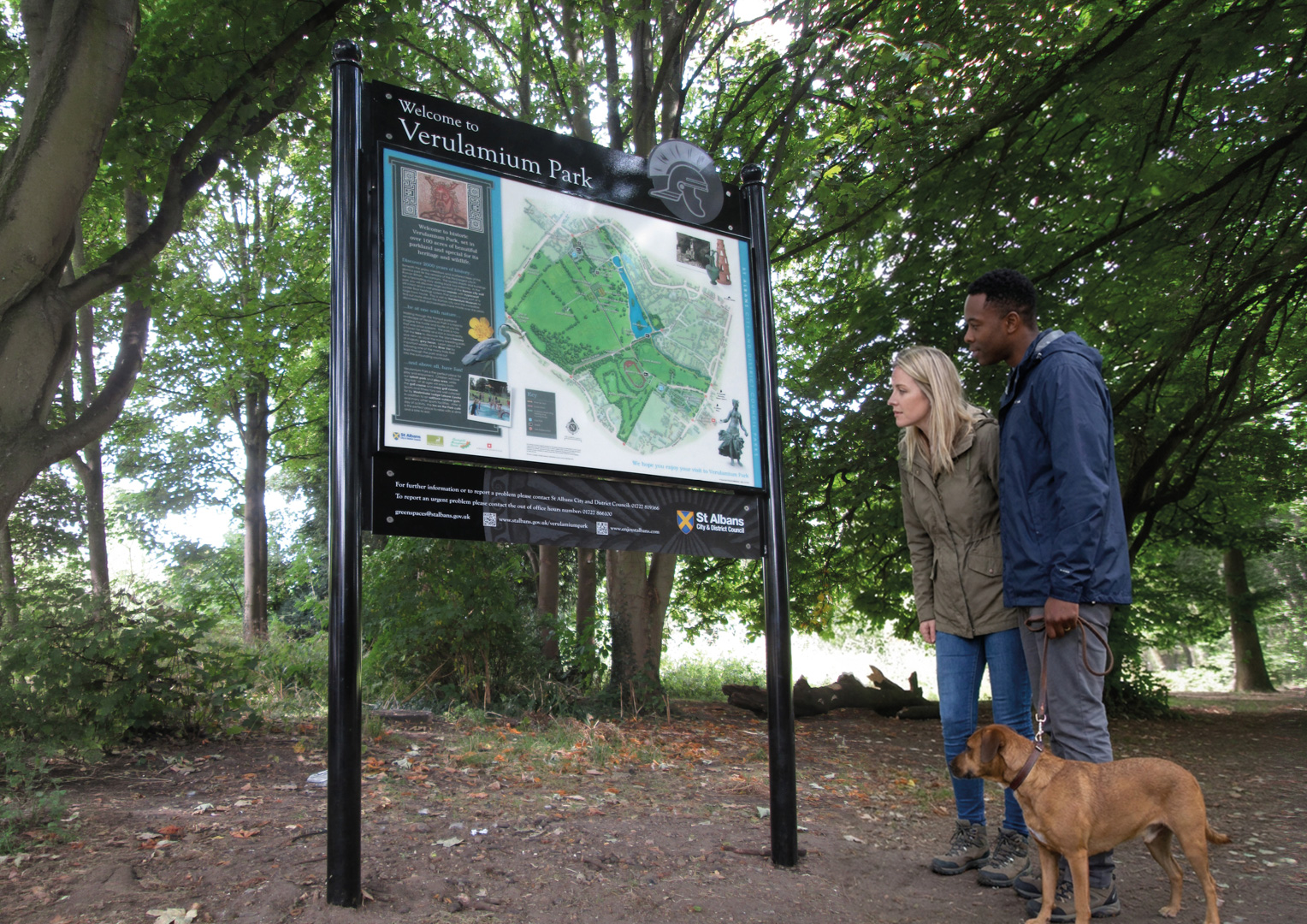
Fitzpatrick Woolmer delivered the complete design, print, manufacture and installation of interpretation lecterns, orientation displays and wayfinding signage throughout the park.
Every element was carefully designed to complement the heritage setting while remaining durable, accessible and visually engaging within the public realm. The interpretation and wayfinding systems were developed to work seamlessly together, helping visitors navigate the park intuitively while uncovering the stories layered throughout the landscape.
By combining illustration, environmental graphic design and interpretation, the project created a visitor experience that felt informative, immersive and visually distinctive from arrival through to exploration of the wider site.
The result
The completed scheme successfully transformed the visitor experience at Verulamium Park, creating a cohesive and engaging interpretation system that reconnects visitors with the remarkable Roman history hidden beneath the landscape.
Through a blend of storytelling, craftsmanship and highly detailed visual interpretation, the project brought ancient Verulamium vividly back to life while creating a clearer, more welcoming and accessible experience throughout the park. The result is a timeless interpretation scheme that continues to enrich how visitors explore and understand this nationally important heritage site.