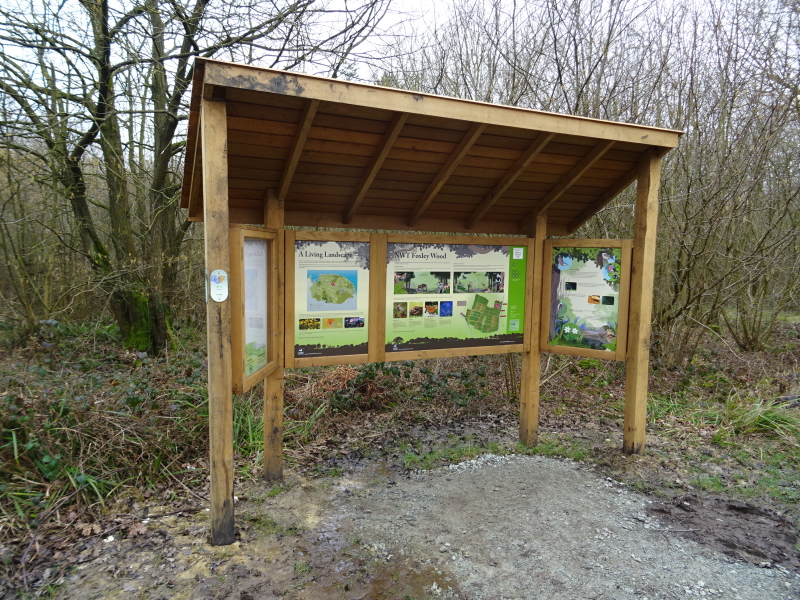
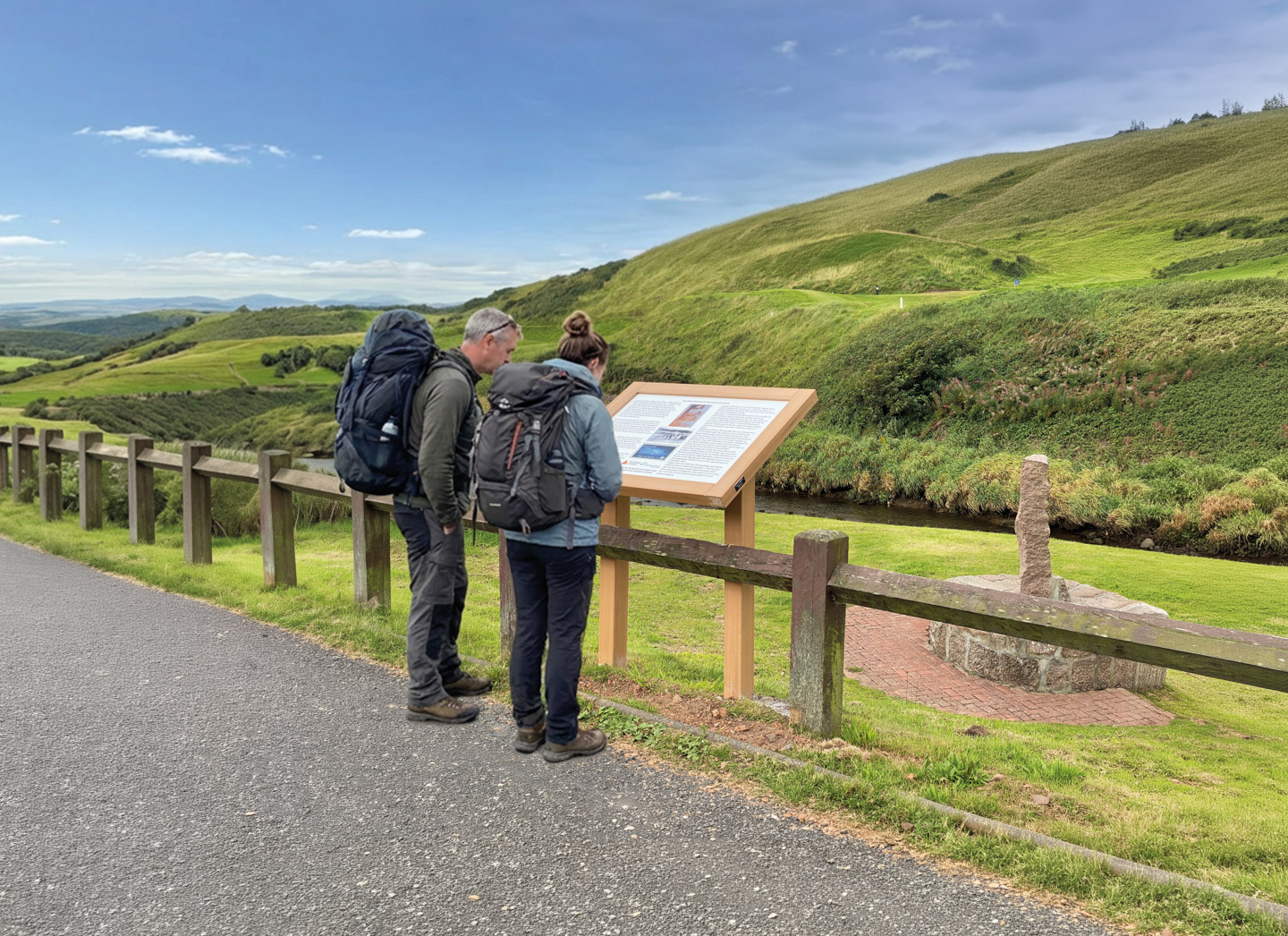
Wayfinding is very important as we depend on wayfinding in numerous scenarios, whether driving along a motorway, visiting a school or GP surgery, or taking a leisurely stroll around our local woodland or park.
Wayfinding is a process businesses, public facilities and events managers use, considering how they can aid visitors and site users when navigating their space, finding resources or understanding the correct path.
Each wayfinding system should be adapted to the site or location and incorporate cues, signage, icons and directional information – whether as a clear, high-visibility sign or as more subtle guidance to lead visitors around the venue.
In this article, we’ll explain the advantage of well-planned wayfinding and why it may be crucial to ensuring a facility or attraction is accessible, inclusive and welcoming.
How does Wayfinding work?
Although we often assume wayfinding is solely about erecting durable waydinfing signs in key places, a wayfinding system is often far more complex. Site navigation plans might consider an array of elements, particularly when visitors may have limited mobility or health-related needs, be of varying ages and demographics, or potentially include vulnerable users.
Wayfinding is almost always present in large spaces with complex layouts, such as universities, hospitals and shopping centres. It also plays an essential role in high-footfall or higher-risk sites like transport hubs, restricted access compounds or construction developments where members of the public must be safeguarded from danger.
In essence, wayfinding is the introduction of a series of tools and resources that support the efficient, safe movement of people, delivering augmented visitor experiences, improved security and crowd control, and intelligent interpretation of the information a user might need at any time during their visit.
The science behind effective Wayfinding
One of the interesting aspects of wayfinding is that system design is grounded in understanding how we think, react and interpret our surroundings. People naturally look for pattern, order and structure, which makes icons, colour-coding and symbols easier to spot and understand than longer-form text.
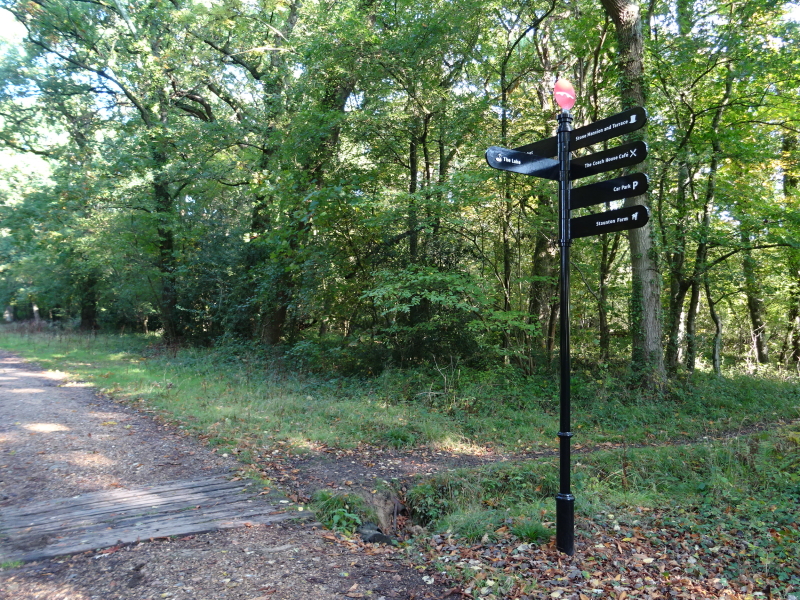
Wayfinding systems can be professionally designed to include visual cues, such as a triangle for one route and a square for the other, or a green route for a gentle slope and a red route for a steep incline – providing a wealth of information with one visual image.
Signage designers also use this knowledge when developing signs used at focal points in a wayfinding system, building in information that delivers immediate recognition, such as indicating an emergency exit.
Why is Wayfinding important for complex and public settings?
Navigating any large or multifaceted site can cause stress and anxiety, especially in specific groups such as visitors who do not speak the language, those with limited mobility who cannot navigate stairs, or families travelling around a space with infants and pushchairs.
From a commercial perspective, wayfinding provides an environment that feels safe, welcoming and accessible. Customers are significantly more likely to return to a space where their previous visits have been positive and where they have not experienced any level of frustration or confusion.
The familiarity of signage, icons indicating amenities such as bathrooms, and well-placed directional signs make even a visit to a compound or centre a person has never been to before much easier while also helping to manage foot traffic and prevent bottlenecks and overcrowding.
Improving site safety with Wayfinding
Although wayfinding is an established method of welcoming larger groups of visitors and appealing to broader demographics, it also has safety applications. If we imagine any public space, from an airport to a train station, nature reserve or tourist attraction, overcrowding is one of the most common risk factors managers need to address.
Long queues, cramped conditions, tight stairwells or car parks with complex layouts can contribute to aggression, confrontation, dangerous crowding, or surges where a large number of people try to get to the same place at once.
Implementing site-wide wayfinding can directly ease the flow of traffic by:
- Indicating alternative routes or designating lifts or access routes that are reserved for specific groups of visitors, such as wheelchair users.
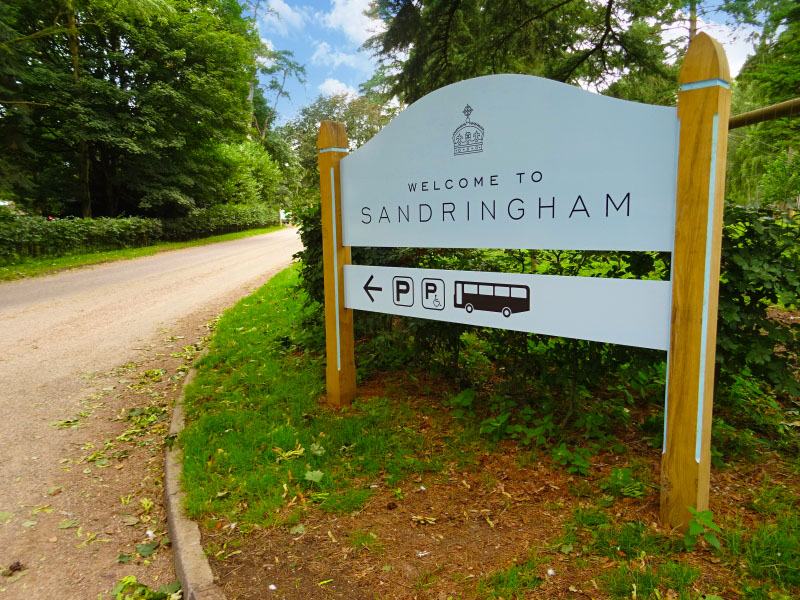
- Informing site users of where spaces are available, such as within a car park.
- Providing directions to ensure all visitors know where the service or facility they are looking for is.
- Directing visitors to their seats, allocated meeting points or ticketing desks.
Wayfinding in outdoor settings is equally important, used to indicate walking paths with natural hazards such as an uneven surface, close to a cliff edge or adjacent to deep water. It can also provide advance notice for visitors to ensure they choose the appropriate path based on the time required to complete the route, the conditions or elevation, and whether a path is suitable for bikes or pedestrians.


Developing the most effective Wayfinding for your business or site
As we’ve explored, wayfinding fulfils multiple roles, aiding visitor experiences, enhancing site safety, improving compliance with evolving fire safety standards and ensuring site users are more inclined to organise a repeat visit.
The most suitable wayfinding and the components and signage within that system will depend on the nature, size and layout of the site, the users or visitors you cater to, and any safety risks or restricted access areas that need to be controlled.
If you would like more advice about the importance of wayfinding and using the best types of signage to meet your objectives, please get in touch with the Fitzpatrick Woolmer wayfinding consultants anytime.
You can also browse our extensive range of signage installations and creative design services online to better understand some of the many ways you can improve the quality of wayfinding within your site.