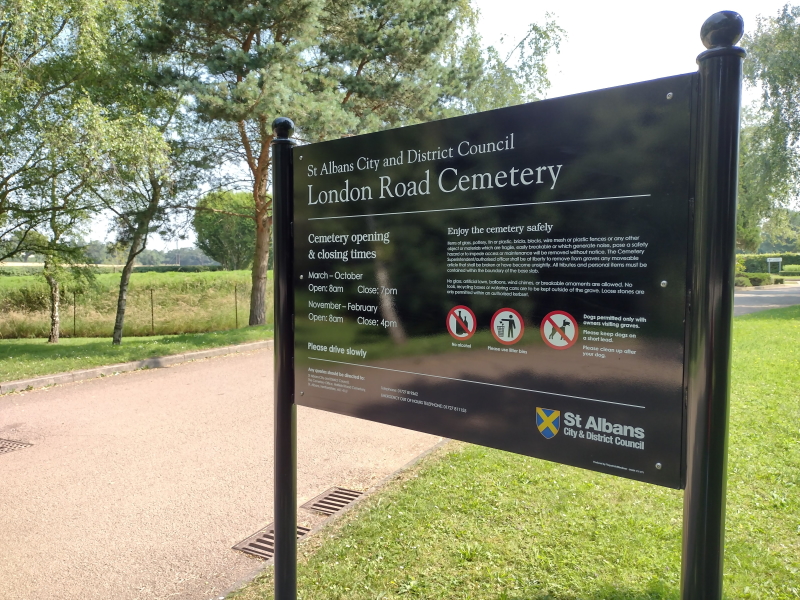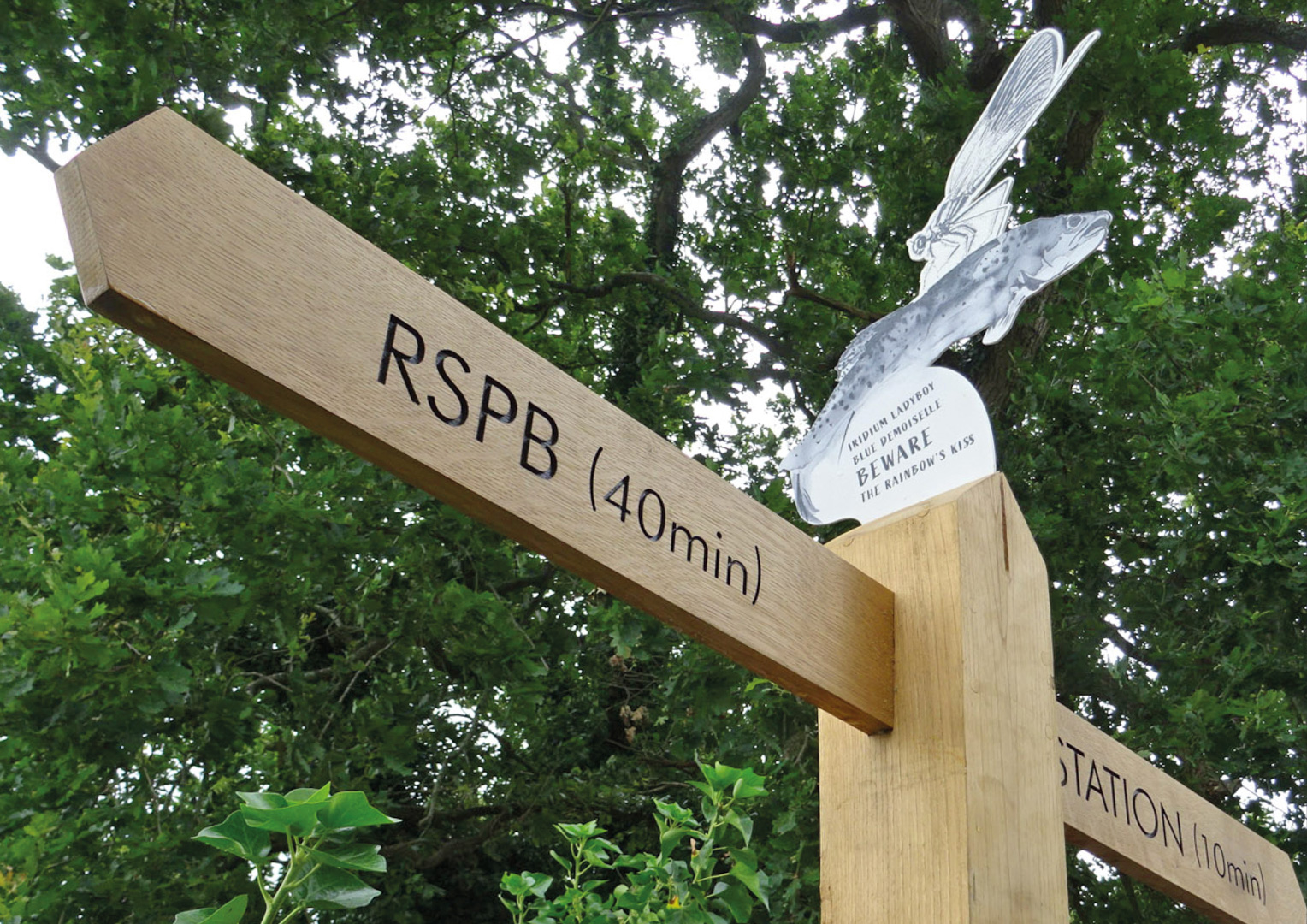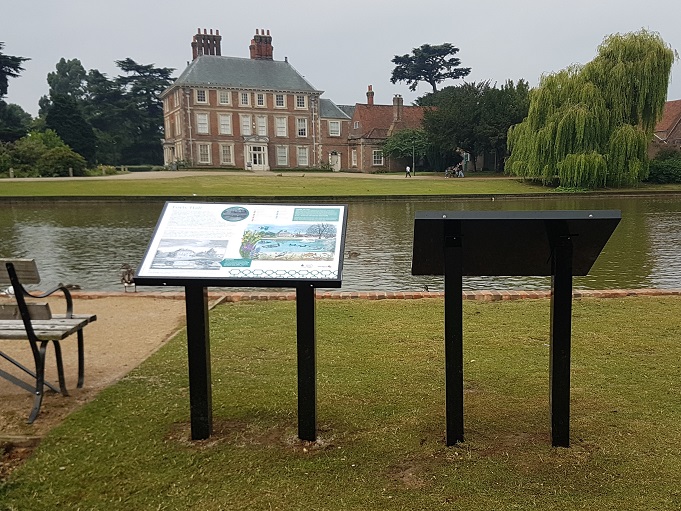
Oak has long been associated with craftsmanship, durability and timeless outdoor design. From heritage interpretation panels and lectern displays to visitor attraction signage and wayfinding systems, oak remains one of the most popular choices for organisations looking to create attractive, long-lasting outdoor environments.
But in a world increasingly focused on environmental responsibility, one important question keeps coming up:
Is oak really sustainable?
The short answer is yes – when sourced responsibly and used correctly, oak can be one of the most sustainable materials available for outdoor signage and public realm projects.
At Fitzpatrick Woolmer, sustainability plays a major role in how we design, manufacture and install bespoke outdoor signage. As a UK-based specialist in wayfinding signage, notice boards, interpretation displays and signs in wood, we understand the importance of balancing aesthetics, durability and environmental impact.
Why oak has been used for centuries
Oak is one of the most durable native hardwoods available in the UK and Europe. Its strength, density and natural resistance to decay have made it a trusted material for everything from shipbuilding and architecture to furniture and outdoor signage.
Unlike many modern synthetic materials, oak ages naturally and often improves visually over time. This makes it particularly suitable for products including outdoor signage, directional signs, wayfinding signage, visitor attraction signage, nature reserve interpretation displays and parks and heritage projects.
Oak’s visual warmth also allows signage to integrate naturally into landscapes, heritage sites and environmentally sensitive locations.
What makes oak sustainable?
Sustainability is not simply about whether a material is natural. The full environmental impact depends on sourcing, processing, longevity and end-of-life recyclability.
Oak is renewable
When forests are managed responsibly, oak is a renewable resource. Sustainable forestry practices ensure trees are replanted and woodland ecosystems are protected for future generations.
Responsibly sourced oak often comes from managed forests certified by organisations such as FSC® or PEFC™, helping to ensure biodiversity, habitat protection and ethical harvesting standards.
For businesses and organisations investing in outdoor signage, this means oak can provide both environmental reassurance and long-term performance.
Oak stores carbon
Trees naturally absorb carbon dioxide during growth. Even after timber is harvested and transformed into signage or outdoor furniture, much of that carbon remains stored within the wood itself.
Compared with highly processed materials such as concrete, plastic or steel, timber products can have significantly lower embodied carbon.
This makes oak an attractive option for projects aiming to reduce environmental impact while still achieving a premium appearance.
Oak lasts for decades
One of the biggest sustainability advantages of oak is longevity.
Cheap materials often require frequent replacement, increasing waste and manufacturing emissions over time. Properly designed oak signage, however, can remain structurally sound for many years.
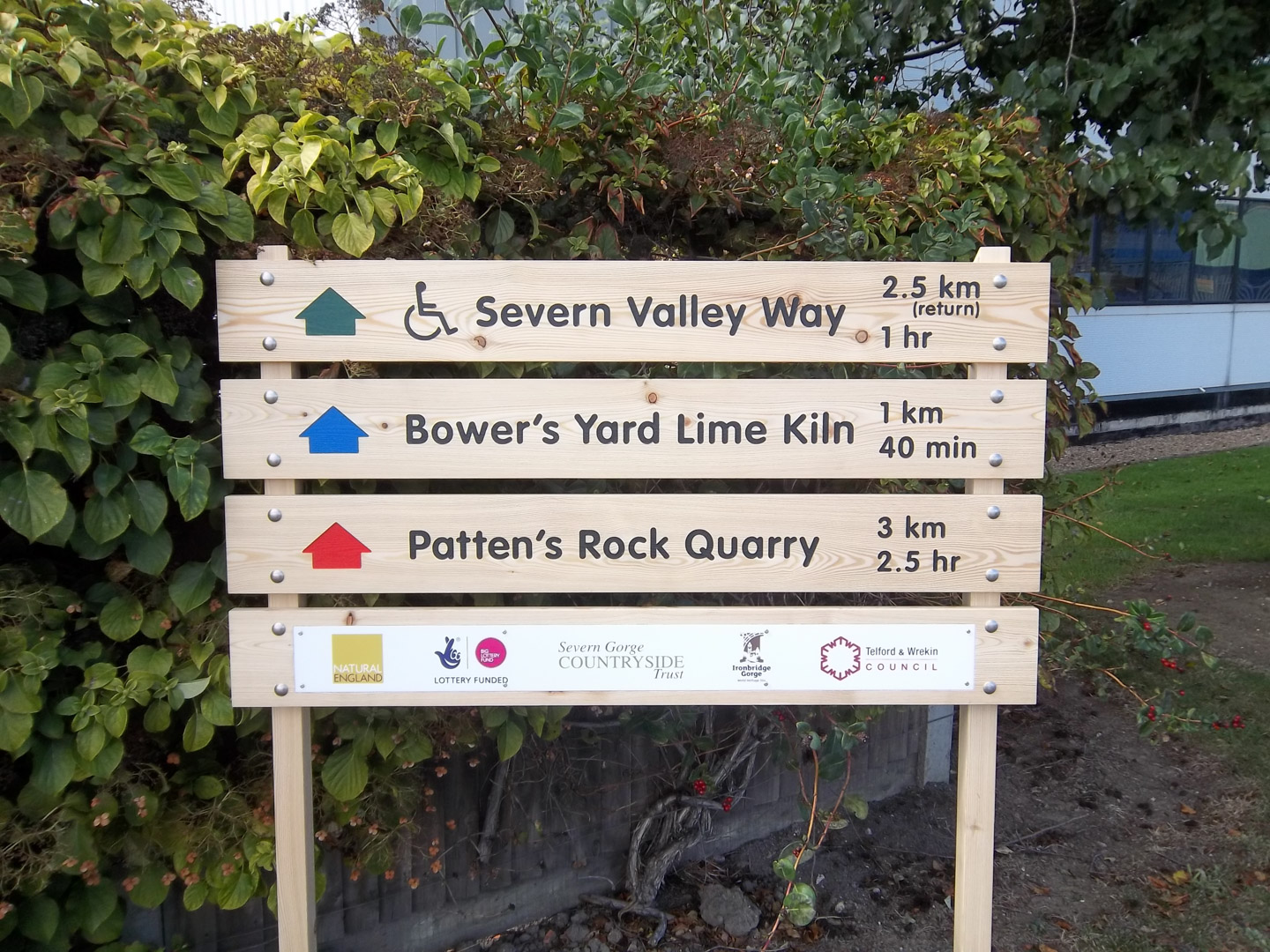
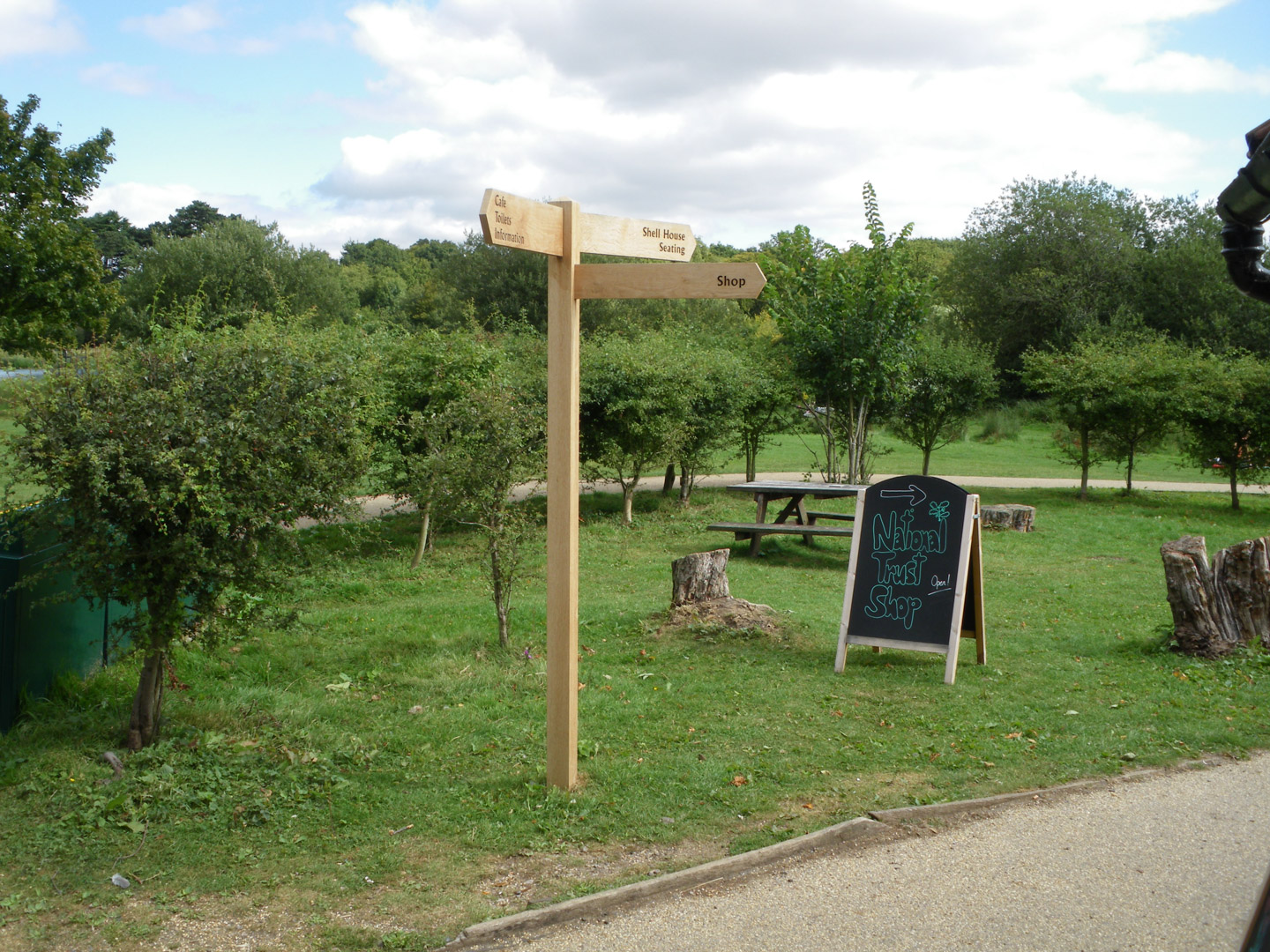
This is particularly important for outdoor signage in exposed environments, wayfinding design schemes, finger post systems, rural directional signs and woodland trails and visitor centres.
A longer product lifespan reduces replacement cycles, material waste and transportation impacts.


Is all oak sustainable?
Not necessarily.
The sustainability of oak depends heavily on where it is sourced, how it is processed and whether the forests it comes from are responsibly managed.
Whilst many people naturally prefer the idea of using UK-grown oak, sourcing it in large quantities while maintaining consistent quality can be difficult. Responsibly sourced European oak is often the strongest and most practical option for outdoor signage projects, offering greater availability, reliable quality and competitive pricing.
As with any timber product, unsustainably harvested wood can contribute to deforestation, habitat loss and increased carbon emissions. That is why responsible sourcing remains essential.
At Fitzpatrick Woolmer, material selection is carefully considered as part of every project. Our team works with clients across the UK to create durable, visually engaging outdoor signage solutions that balance environmental responsibility with long-term performance and practicality.
Why oak works so well for outdoor signage
Oak remains one of the best materials for bespoke signs in wood because it combines functionality with visual appeal.
Natural appearance
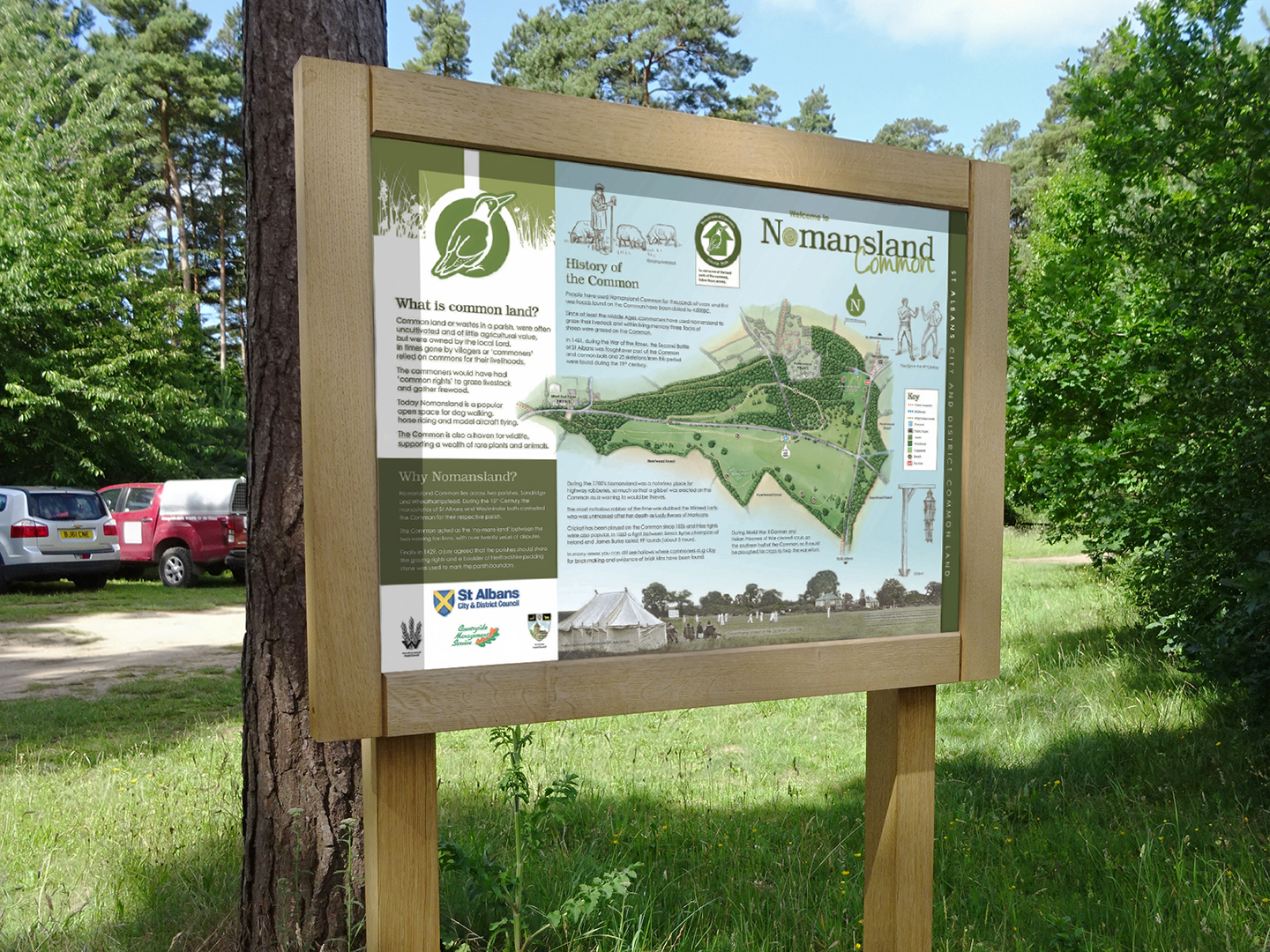
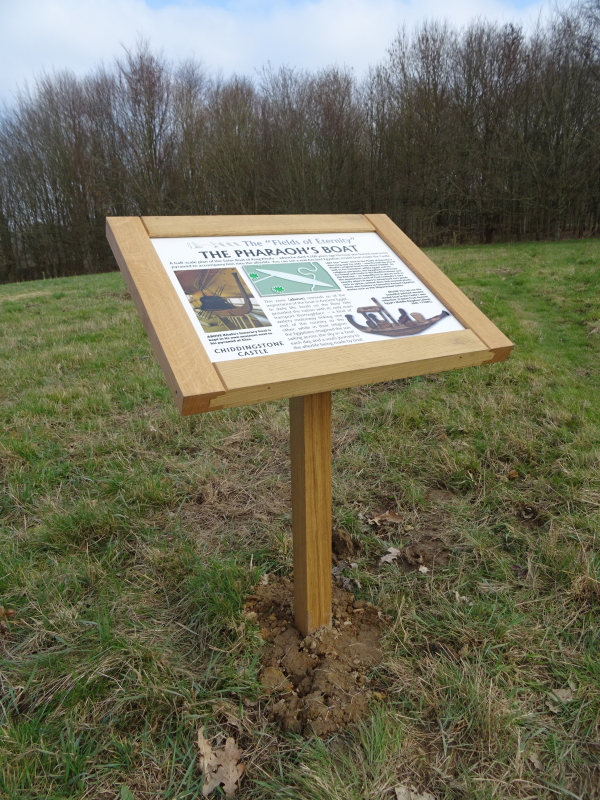
Oak complements rural, heritage and conservation environments beautifully. Whether used for a lectern, a noticeboard, or a full wayfinding signage scheme, oak feels authentic and unobtrusive.
This makes it particularly popular for:
- National parks
- Heritage sites
- Country parks
- Nature reserves
- Public trails
- Historic towns
- Tourism destinations
- Educational spaces
Structural strength
Outdoor signs need to withstand changing weather conditions, public use and long-term exposure.
Oak’s density and durability make it ideal for:
- Outdoor signage
- Entrance sign structures
- Directional signs
- Finger post systems
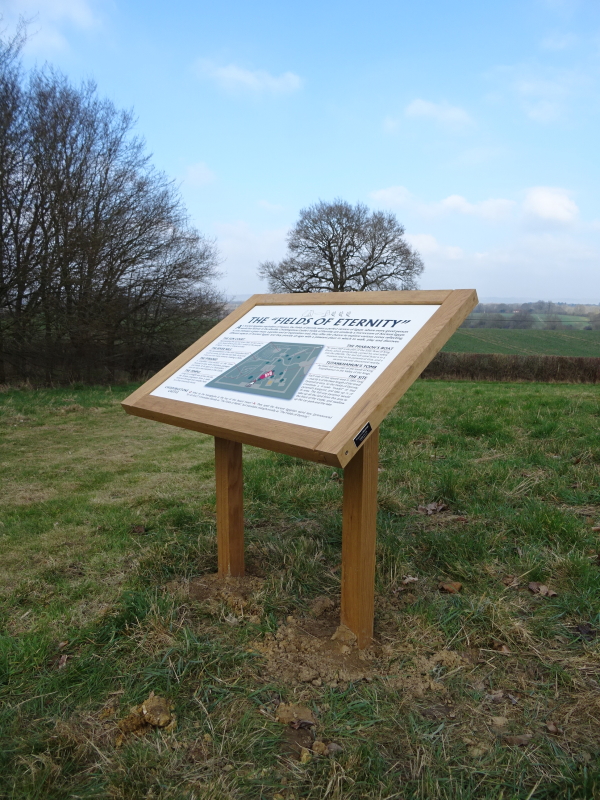
- Interpretation lecterns
- Visitor attraction signage
- External notice boards
Its strength also allows for bespoke fabrication and large-format sign structures.
Low maintenance
When detailed and installed correctly, oak requires relatively little maintenance.
Many organisations choose oak because it weathers naturally into an attractive silver-grey finish over time. Others prefer to apply protective treatments to maintain a richer timber appearance.
Either approach can provide excellent long-term performance.
Oak vs other outdoor signage materials
Every signage material has strengths and limitations.
Oak vs plastic
Plastic signage can offer durability, but it is typically derived from fossil fuels and may be difficult to recycle at end of life.
Oak offers a more natural aesthetic and significantly lower embodied carbon when sourced sustainably.
Oak vs aluminium
Aluminium is lightweight and recyclable, but its manufacturing process is energy intensive.
Many modern wayfinding signage systems combine oak structures with aluminium graphic panels to balance sustainability, longevity and graphic quality.
Oak vs softwood
Softwood can be more affordable initially, but oak generally offers superior lifespan and durability for demanding outdoor applications.
This can make oak more sustainable over the full lifecycle of the product.
Sustainable signage design matters too
The sustainability of a sign is not determined by material alone.
Good design plays a huge role in extending lifespan and reducing environmental impact.
At Fitzpatrick Woolmer, projects are developed with a strong focus on usability, longevity and visitor experience. Effective wayfinding design helps visitors navigate spaces intuitively while reducing clutter and unnecessary sign duplication.
Carefully planned outdoor signage schemes can improve:
- Visitor flow
- Accessibility
- Site identity
- Interpretation
- Engagement
- Long-term maintenance efficiency
- Environmental integration
Whether designing a simple noticeboard or a complete wayfinding signage strategy, thoughtful design ensures signage remains relevant and effective for years.
Oak in modern wayfinding and interpretation projects
Today’s public spaces increasingly demand signage that is both functional and environmentally conscious.
Oak continues to be widely used across wayfinding signage systems, interpretation trails, outdoor signage schemes, notice boards, information sign displays to name just a few.
Combined with modern manufacturing techniques and durable graphic systems, oak can support highly contemporary designs while maintaining a natural appearance.
Fitzpatrick Woolmer’s approach to sustainable outdoor signage
Fitzpatrick Woolmer has been designing and manufacturing bespoke outdoor signage for decades, working with local authorities, heritage organisations, visitor attractions and public realm projects throughout the UK.
Our in-house capabilities include wayfinding design, sign manufacture, graphic design, interpretation planning, installation and bespoke timber fabrication.
By combining durable materials with thoughtful design, we help organisations create signage that enhances visitor experience while supporting long-term sustainability goals.
So, is oak really sustainable?
When responsibly sourced and properly designed, oak is absolutely a sustainable material choice.
Its renewability, carbon storage, durability and timeless appearance make it particularly well suited to outdoor signage and wayfinding applications.
For organisations seeking signage that feels authentic, lasts for years and supports environmental objectives, oak remains one of the strongest options available.
As sustainability continues to shape the future of public spaces, the demand for durable, natural and responsibly sourced materials is only likely to grow.
Looking for sustainable outdoor signage?
Fitzpatrick Woolmer designs and manufactures bespoke outdoor signage solutions for parks, heritage sites, visitor attractions, public spaces and commercial environments across the UK.
From wayfinding signage and notice boards to directional signs, lecterns and entrance signage, our team can help create signage schemes that combine sustainability, durability and exceptional visitor experience.