Skip to content
  • About
    • About Fitzpatrick Woolmer
    • Sustainability
    • Meet the team
    • Downloads
    About Fitzpatrick Woolmer Sustainability Meet the team Downloads

    Want to enquire about quality signage? Let’s connect! ENQUIRE NOW

  • Signage manufacture
    • Signage
    • Wayfinding
    • Furniture
    • Badging signs
    • Entrance signs
    • Graphic panels
    • Interpretation boards – wallmounting
    • Interpretation displays – freestanding
    • Lectern signs
    • Monolith and Totem signs
    • Notice boards
    • Public warning signs
    • Directional signage
    • Fingerposts
    • Ladder signs
    • Waymarking discs
    • Waymarking posts
    • Benches
      Badging signs Entrance signs Graphic panels Interpretation boards – wallmounting Interpretation displays – freestanding Lectern signs Monolith and Totem signs Notice boards Public warning signs
      Directional signage Fingerposts Ladder signs Waymarking discs Waymarking posts
      Benches

    Want to enquire about quality signage? Let’s connect! ENQUIRE NOW

  • Creative studio
    Strategy

    Strategy

    We are here to offer time-served expertise before materials are specified or even designs are developed.

    Design

    Design

    Our design service translates strategy into tangible, buildable heritage and outdoor signage solutions.

    Realisation

    Realisation

    Our in-house manufacturing capability allows us to maintain control over materials, finishes and tolerances.

    Want to enquire about quality signage? Let’s connect! ENQUIRE NOW

  • Stories & more
  • News
  • Outdoor signage tips
Enquire Now
  • About
    • About
    • About Fitzpatrick Woolmer
    • Sustainability
    • Meet the team
    • Downloads
  • Signage manufacture
    • Signage manufacture
    • Signage
      • Signage
      • Badging signs
      • Entrance signs
      • Graphic panels
      • Interpretation boards – wallmounting
      • Interpretation displays – freestanding
      • Lectern signs
      • Monolith and Totem signs
      • Notice boards
      • Public warning signs
    • Wayfinding
      • Wayfinding
      • Directional signage
      • Fingerposts
      • Ladder signs
      • Waymarking discs
      • Waymarking posts
    • Furniture
      • Furniture
      • Benches
  • Creative studio
    • Creative studio
    • Strategy
    • Design
    • Realisation
  • Stories & more
  • News
  • Outdoor signage tips
Enquire Now
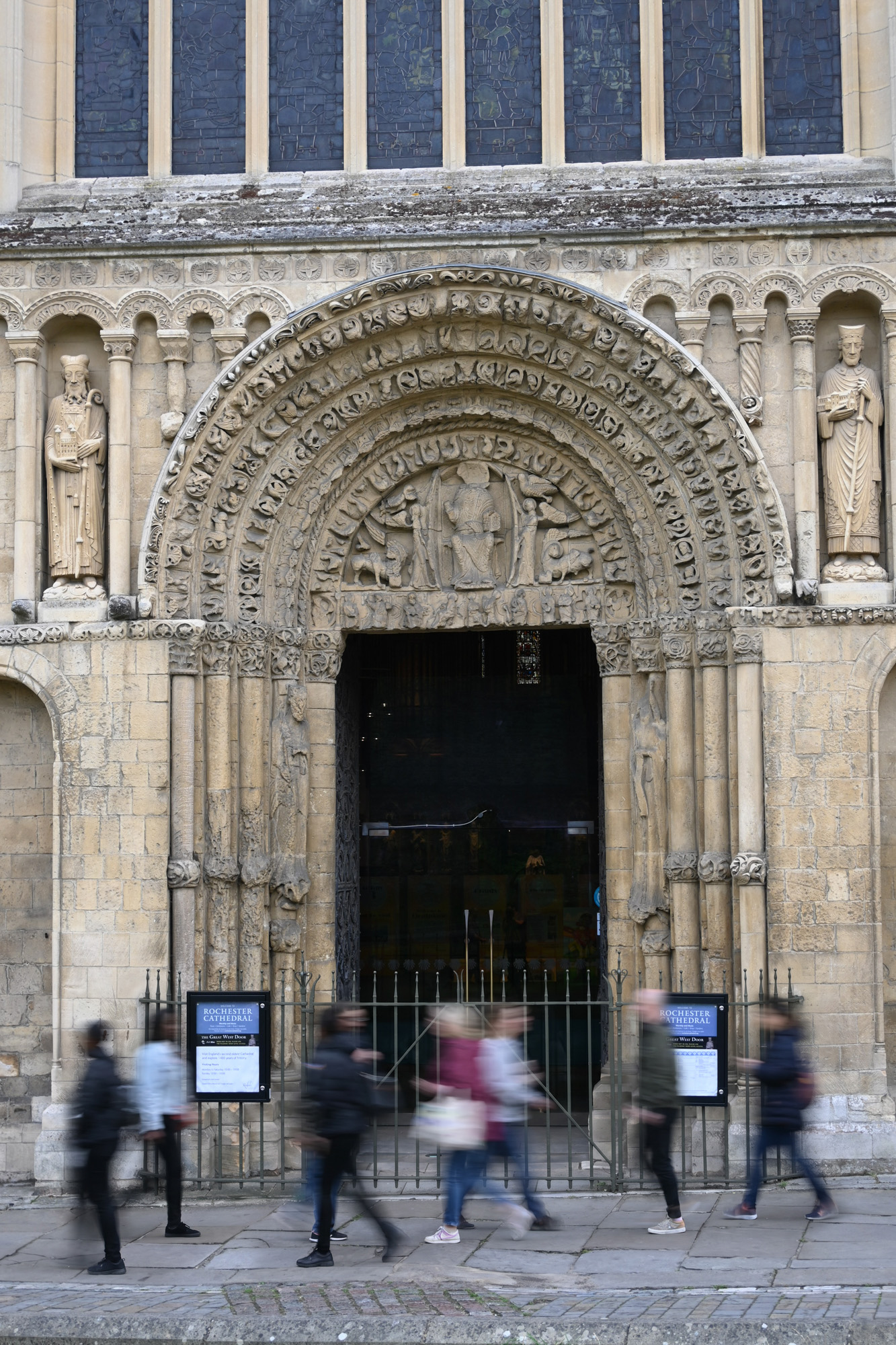
rochester noticeboards with passing people header
Feature

Planning signage for listed buildings and conservation areas

At a historic site, the signage is rarely what someone has come to see. It may, however, determine whether they find the entrance, discover an overlooked feature or understand the story behind what they’re looking at.

That is what makes planning signage for listed buildings and conservation areas such a considered piece of work. The information needs to be clear, but the sign also becomes part of a setting that people may have valued for generations.

It is easy to think of signage as something to consider towards the end of a project. In a heritage setting, it deserves attention much earlier.

One thing we have learned through our work in heritage signage design is that no two sites have quite the same requirements. What feels entirely appropriate in the grounds of a historic estate may look out of place against the architecture of a listed building.

Understanding planning and consent requirements

Depending on the location and type of signage being proposed, advertisement consent, listed building consent or other local planning considerations may apply. Establishing what permissions are needed early in the process can help avoid difficulties once designs have been developed or installation plans are in place.

Choosing materials that suit the setting

As we explain in our guide to choosing the best material for outdoor signage, different environments place different demands on materials. Heritage settings introduce another consideration: how will the sign sit within its surroundings?

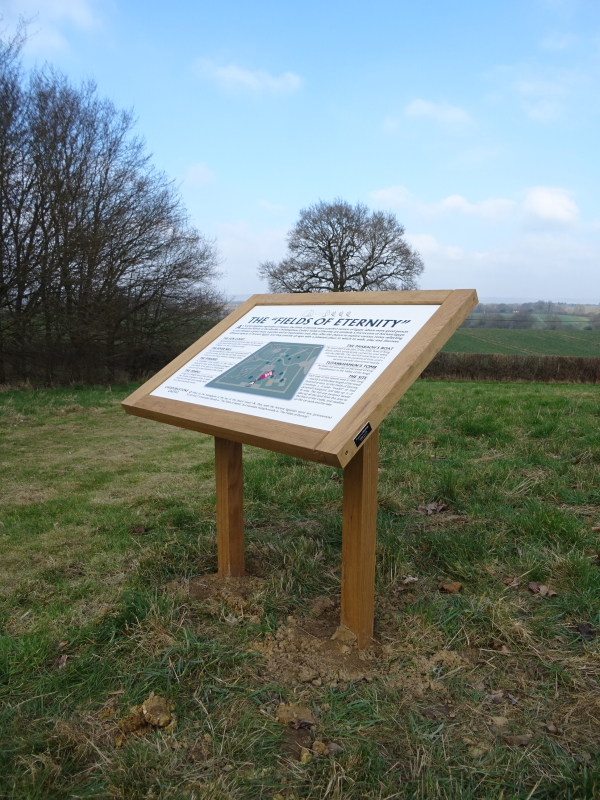
Timber can feel entirely at home in parkland or the grounds of a historic estate, while carefully finished metals or more contemporary materials may be more appropriate elsewhere. There is no requirement for every sign in a heritage setting to look old. Sometimes, a simple, contemporary design can be more sympathetic than an attempt to imitate something from the past.

What matters is understanding the character of the place and choosing materials that will remain appropriate as they weather and age.

In a conservation area, even a relatively small sign can affect the appearance of a street or public space. Its position, scale and finish all need to be considered alongside the surrounding buildings and landscape.
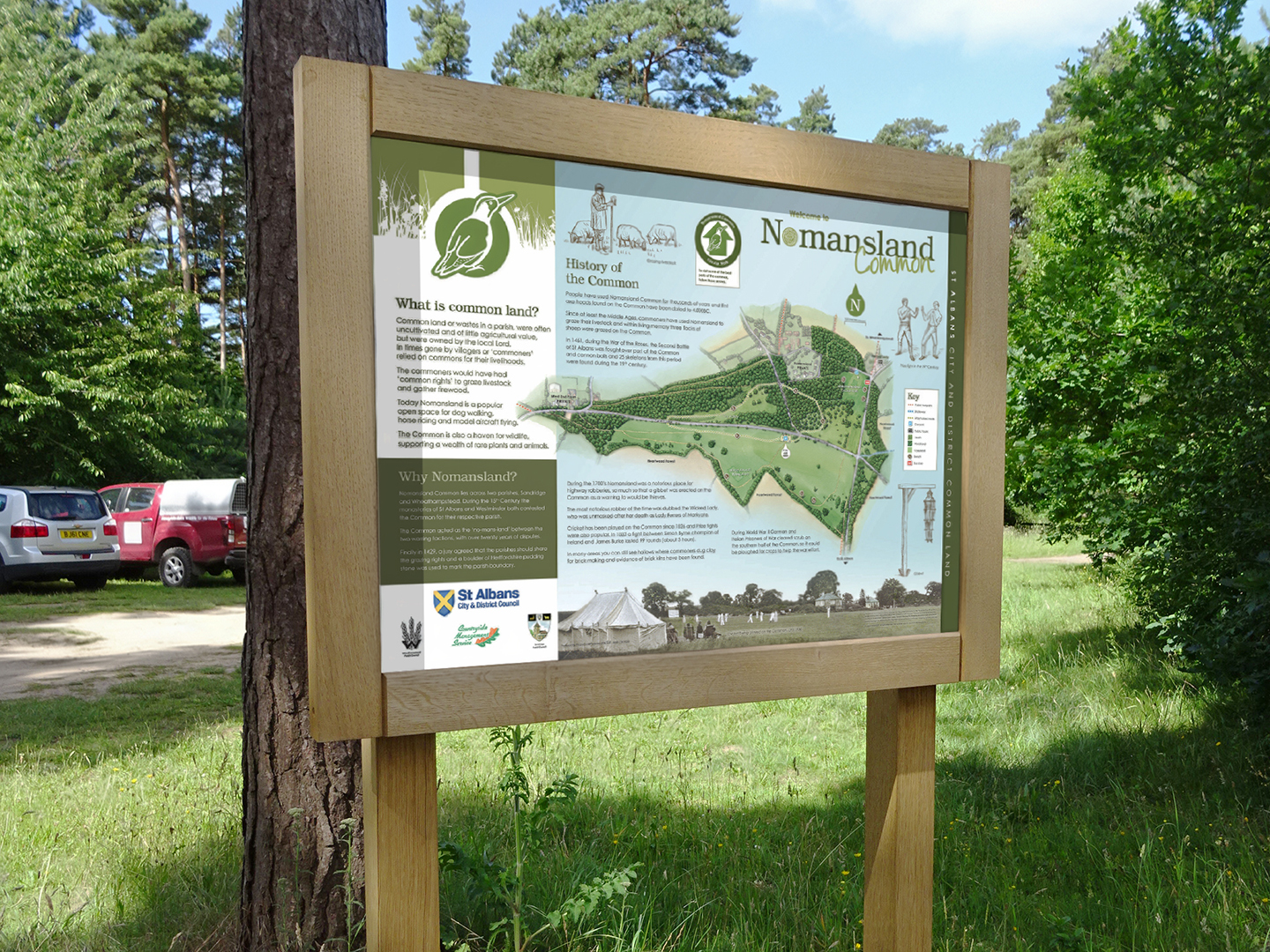

Bowman A Interpretation oak
Bowman C Entrance Oak Sign
rochester noticeboards with passing people
rochester noticeboards

Installation and visual impact

Historic stonework, brickwork and original architectural features cannot always accommodate conventional fixing methods without the risk of damage. Where appropriate, existing fixing points, bespoke brackets or freestanding structures may help reduce unnecessary intervention.

These decisions may seem relatively minor, but they can have a lasting impact on the building or landscape long after the sign has been installed.

There is also a balance to be found between visibility and discretion. A sign that blends into its surroundings to the point that visitors cannot find it is of little use. Equally, a visually dominant sign can distract from the very features people have come to experience.

The aim is to make information accessible without allowing the signage to become the focus of the setting.

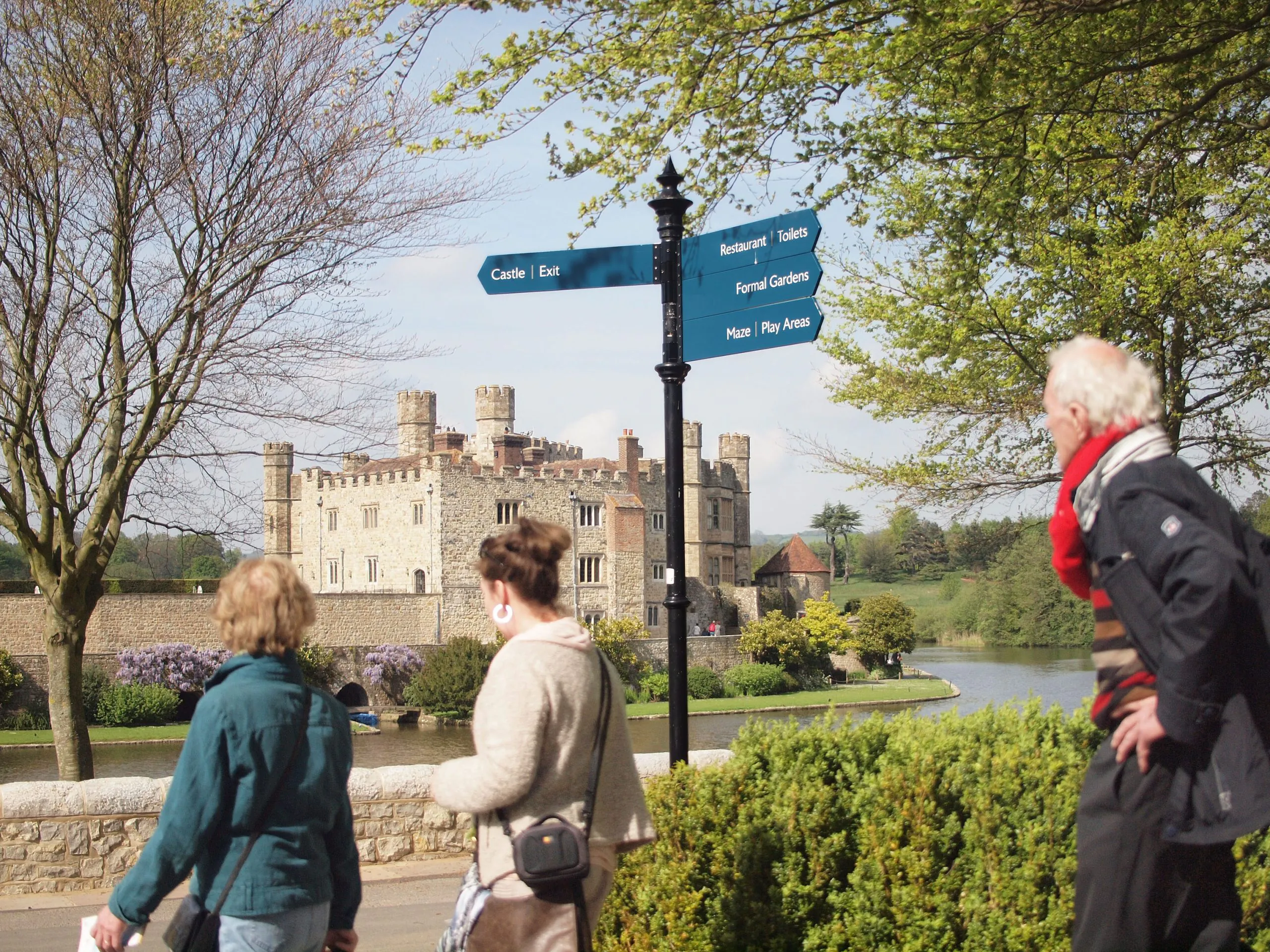
Our work alongside Olley Design on the heritage wayfinding scheme at Rochester Cathedral is an example of how modern wayfinding can be introduced into a historic setting while respecting its architectural character.

Planning signage for a heritage setting is about more than meeting practical requirements. It means understanding the history of a place, recognising the features that make it significant and considering how people will experience it.

A well-placed sign can help someone discover a story they might otherwise have missed. And sometimes, deciding not to introduce another sign is just as important as deciding where one should go.

If you’re planning signage for a listed building, conservation area, or historic site, we’d welcome the opportunity to discuss your project. Get in touch with our team to explore how we can help.


Related Features

Feature

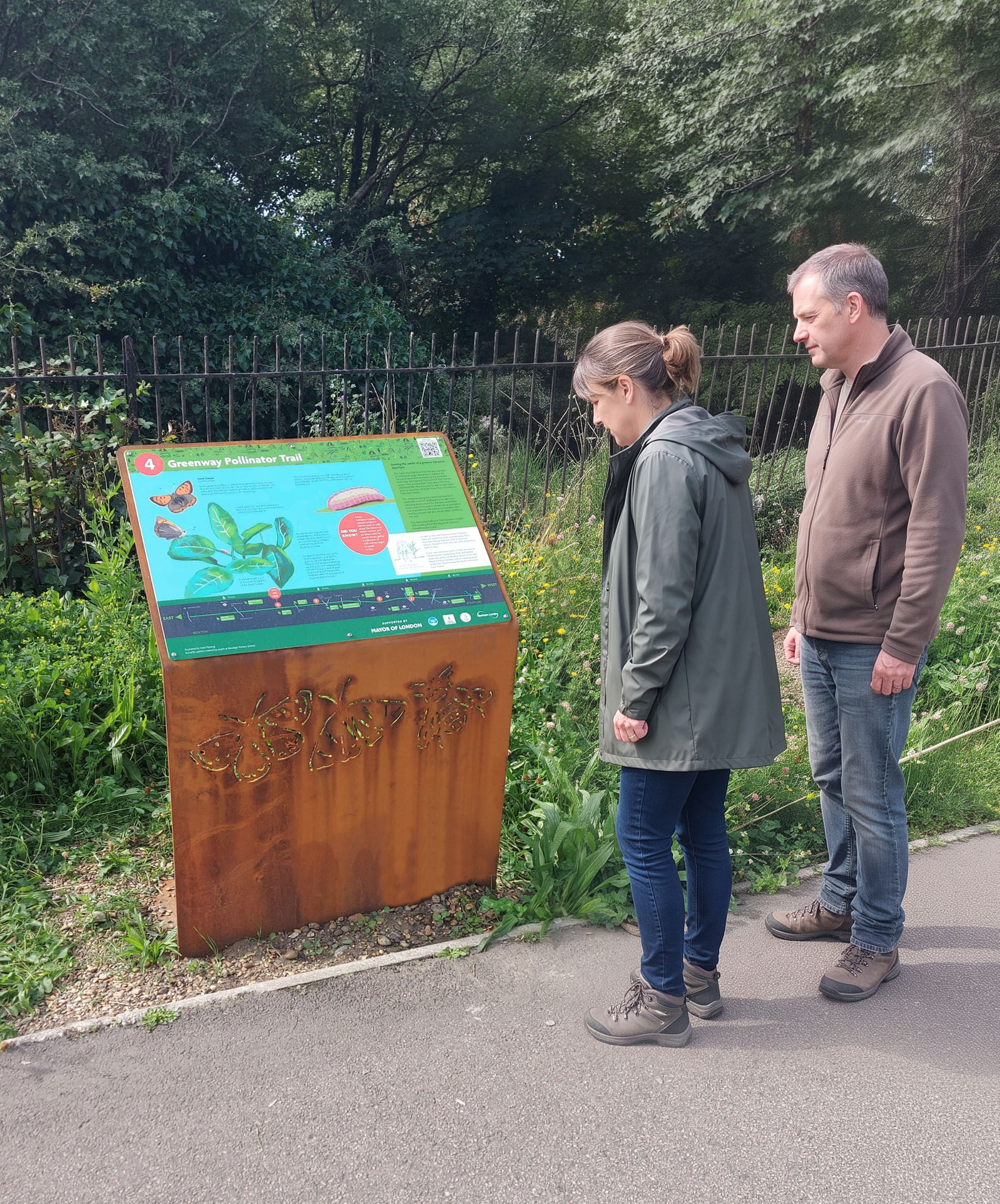
Salmons Brook, Thames 21

Discover how the Salmons Brook project combined interpretation and wayfinding to reconnect visitors with the landscape, wildlife, and environmental heritage of the area.
Read more
Salmons Brook, Thames 21

Feature

Is oak really sustainable?

Find out why responsibly sourced oak remains one of the most sustainable and durable materials for outdoor signage, wayfinding, and interpretation projects.
Read more
Is oak really sustainable?

Feature

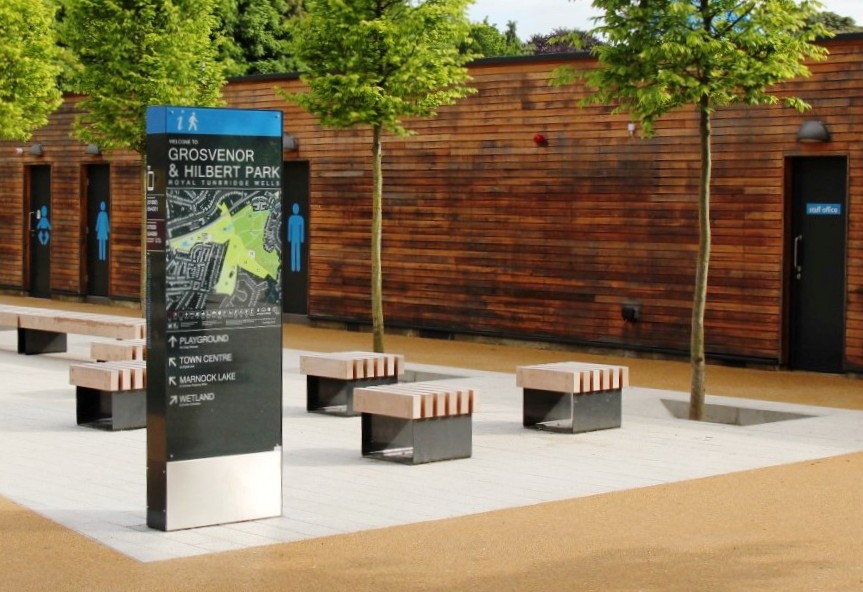
Grosvenor And Hilbert Park, Blakedown Landscapes

Understand how the Grosvenor and Hilbert Park project used interpretation and wayfinding to create a more engaging and connected visitor experience throughout the park.
Read more
Grosvenor And Hilbert Park, Blakedown Landscapes

Let’s start a
conversation

We’d love to hear from you, let’s have a conversation about what we can do to help your signage needs.

Enquire now 01634 711 771
Fitzpatrick Woolmer

About

  • About us
  • Sustainability
  • Meet the team
  • Downloads

Signage Manufacture

  • Signage
  • Wayfinding
  • Furniture

Creative STUDIO

  • Strategy
  • Stories & more
  • Design
  • Outdoor signage tips
  • Realisation
  • Enquire now
  • Terms & Conditions
  • Privacy Policy
  • Cookie Policy

Copyright © 2026 Fitzpatrick Woolmer Design & Publishing Ltd | All Rights Reserved.

Fitzpatrick Woolmer is a trading name of Fitzpatrick Woolmer Design and Publishing Limited | Registered In England and Wales | Company Number 3079302
Registered Company Address: Unit 7 Lakeside Park, Neptune Close, Rochester, Kent, ME2 4LT
VAT No: 653730634