Wayfinding strategy is often misunderstood – and it’s not the same thing as standalone signage! Instead, it’s a well-thought-out process that ensures every customer, visitor or guest can navigate your facility or site with ease and comfort, which forms a key part of their experience.
As a modern directional resource, wayfinding is everywhere around us – think of Google Maps as a navigation tool where you can find directions without a second thought.
This same sense of convenience and user-friendliness applies to in-person wayfinding, which all begins with a developed strategy that focuses on your visitor at its core.
Quick Takeaways:
- Wayfinding strategy simplifies navigation by creating clear routes, signs, and cues that reduce confusion in complex spaces.
- It combines design with human behaviour, using visual language, psychology, and spatial planning to guide people naturally.
- A strong wayfinding strategy improves overall experience, boosting accessibility, inclusivity, and brand presence while making spaces less stressful to use.
Wayfinding Strategy Explained
Wayfinding signage is a selection of assets that share information about directions, explanations or the relevance of a landmark. Still, the strategy underpins every selection of placement, colour and the theme and style of the messaging shown.
If you’re new to wayfinding strategy, this all matters because:
- The overarching aim is to create a welcoming and friendly environment where individuals can navigate easily, without feeling lost, alienated by unfamiliar signage, or stressed due to difficulty finding what they need.
- Strategies always incorporate research into your core customer or visitor, since the colours and symbols you use for a children’s nature trail, for example, would look very different from those you’d use in a high-end retail centre.
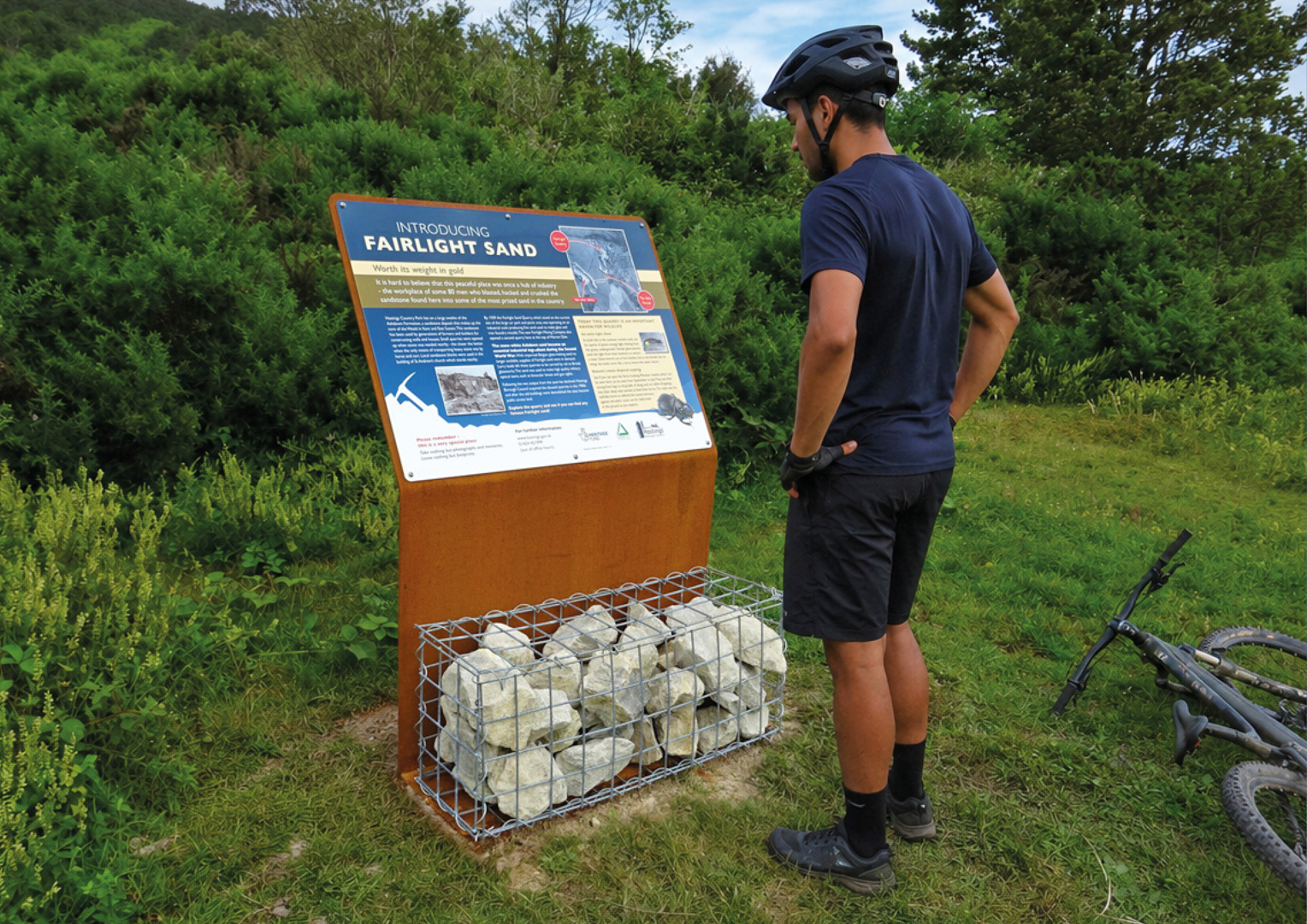
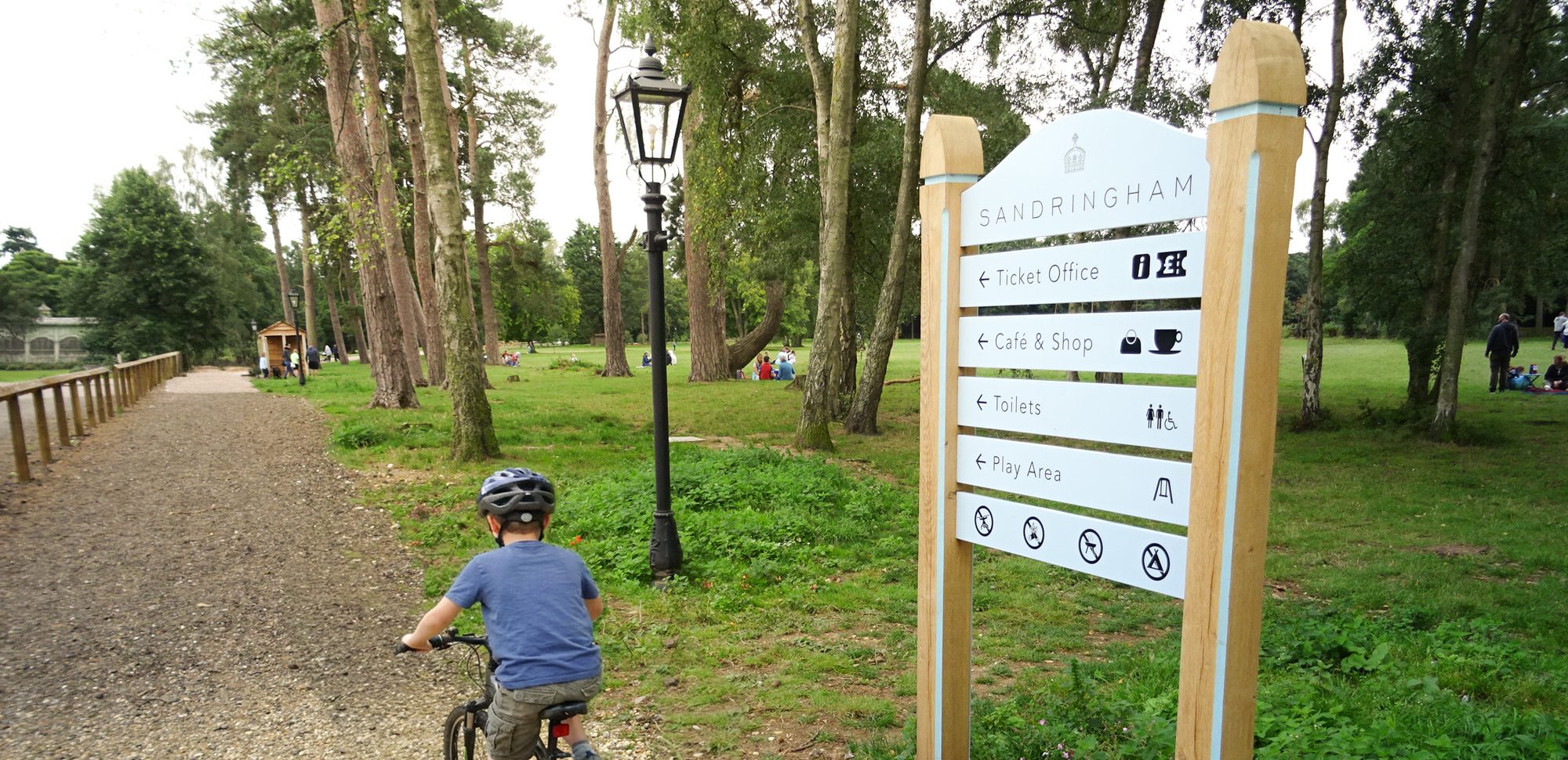
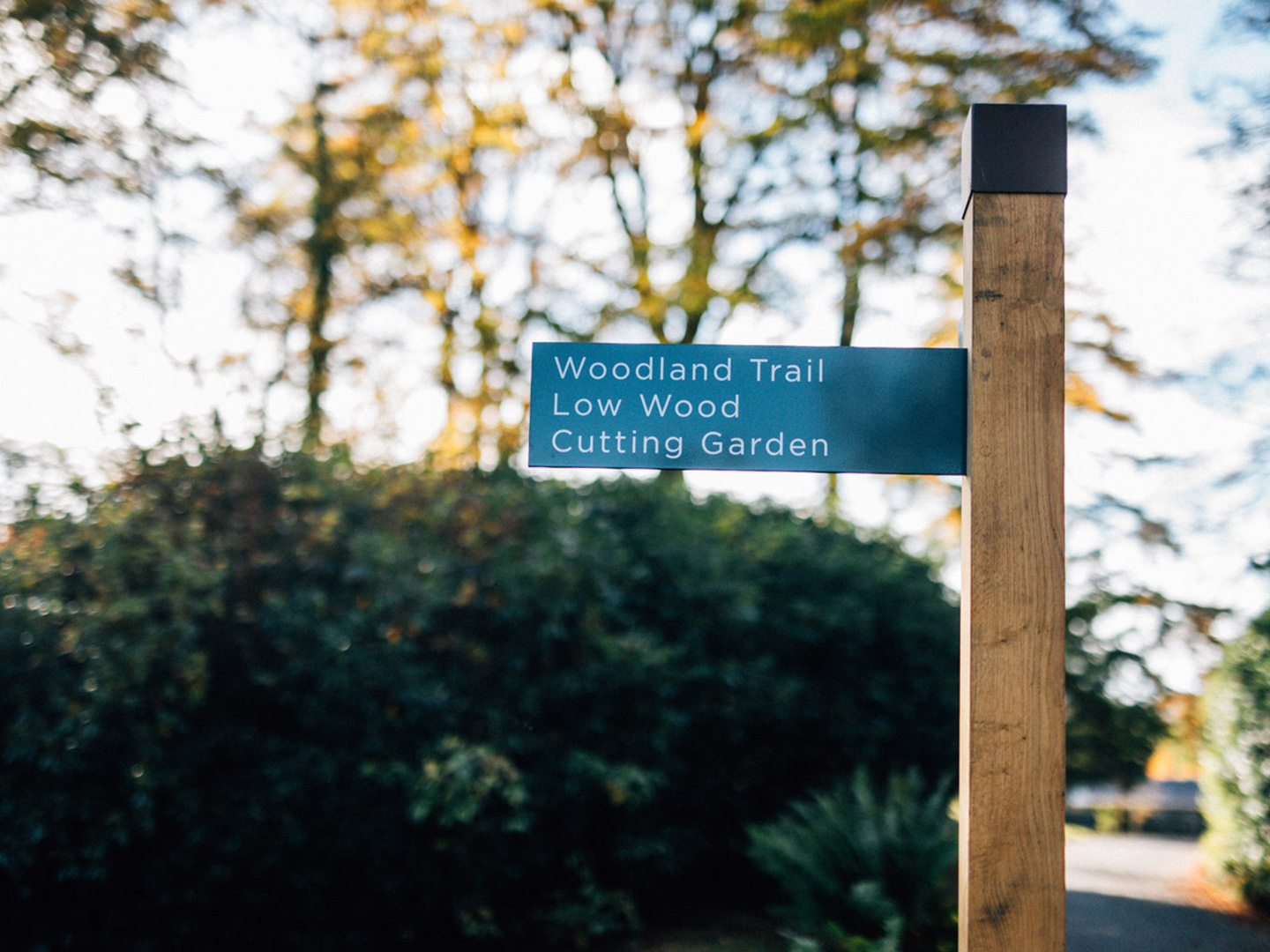
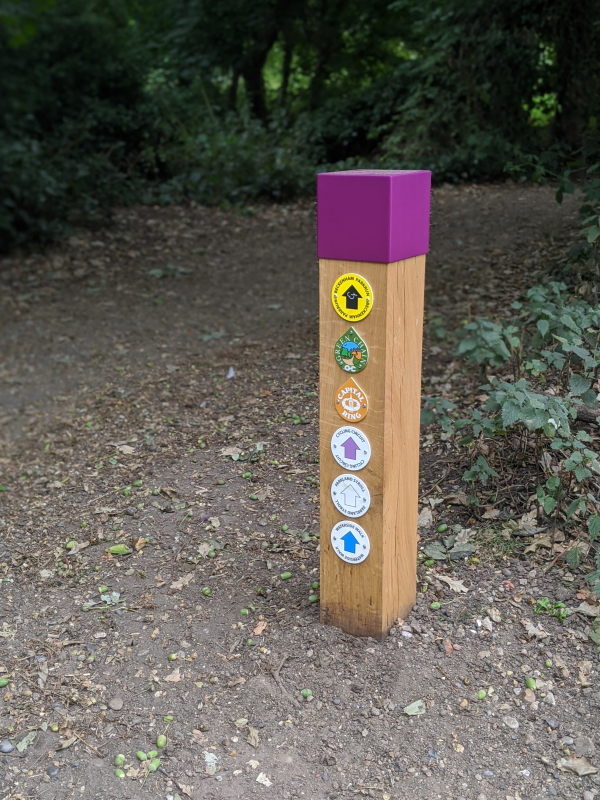
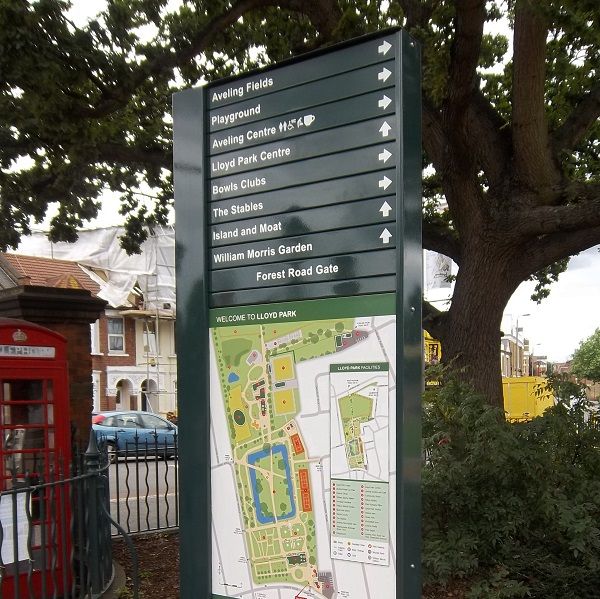
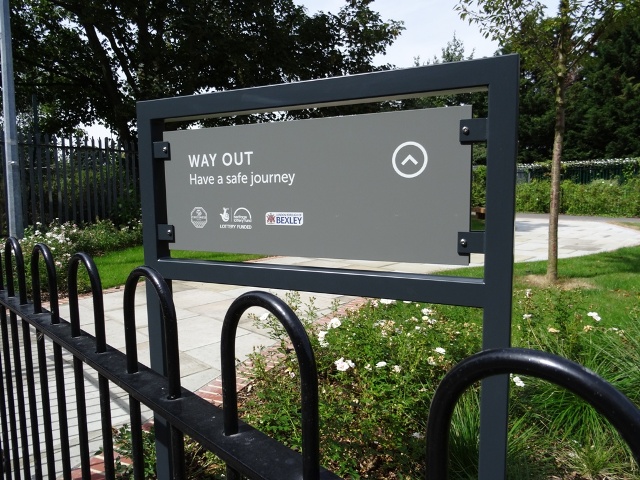
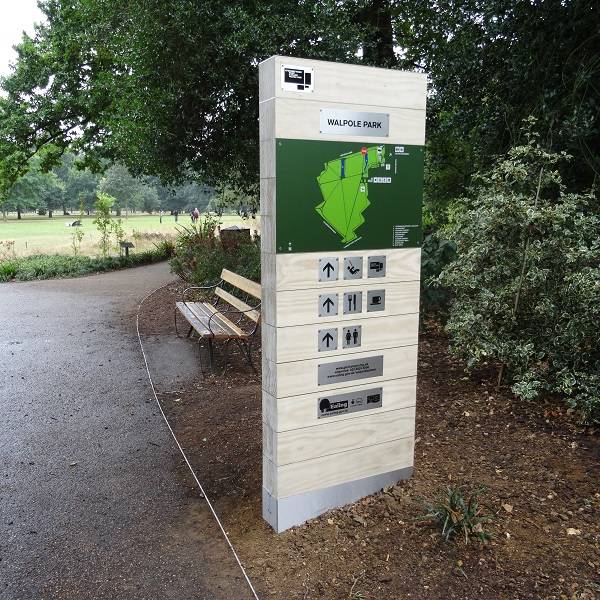
- Wayfinding systems have numerous parts, from signs, arrows, fingerposts, lecterns, welcome signs, colour-coded bollards, and so much more – but you will need more of those elements for some premises or sites, and far fewer for others.
The goal is to ensure anybody can walk through the door or entrance, find a place to park, and begin exploring your visitor attraction, business facility, or campus, without needing to ask for help. However, if they do need assistance, it should be immediately obvious how and where to find it.
Key Aspects That Every Good Wayfinding Strategy Possesses
There are countless potential considerations to bear in mind when developing a wayfinding strategy, all of which the Fitzpatrick Woolmer team can help with.
In the meantime, we’ve collated some of the fundamental elements we’d recommend – and that we use ourselves when helping create a powerful wayfinding strategy for a client.
1. Site Accessibility and Inclusivity
Whether you’re managing a park or creating wayfinding for an indoor entertainment complex, you want all your visitors to be considered and valued. That means wayfinding signage should be:
- Easy to find without spending lots of time looking
- Visible to see and read from a reasonable distance
- In reach of all visitors, including those using buggies and wheelchairs
You can consider adding NFC tags or QR codes if it makes sense, or you can angle signs and think about placements, such as alongside ramps, not just steps, to meet this requirement.

2. Decision-Making Points Around Your Venue
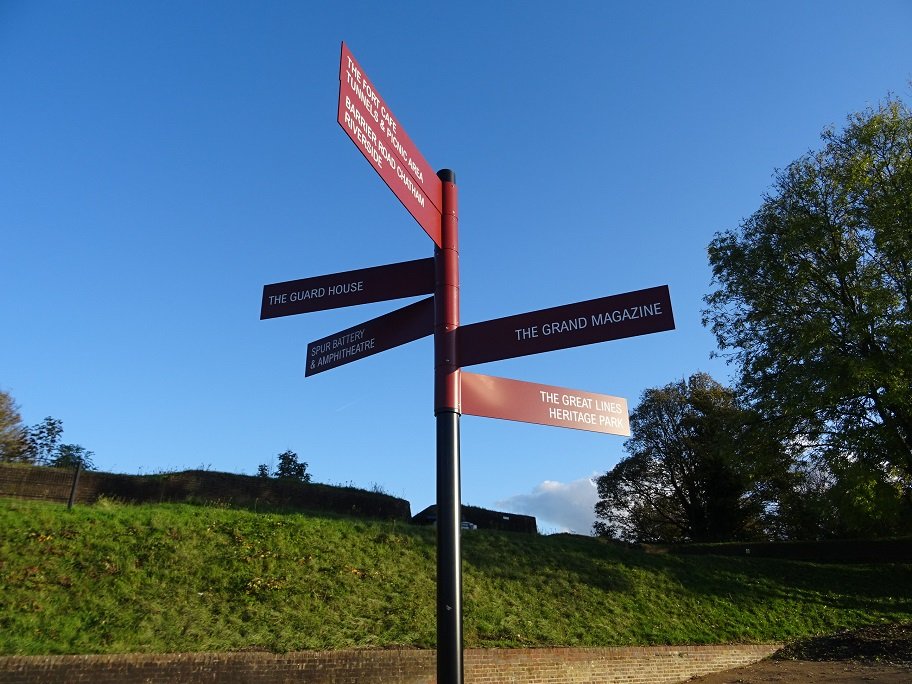
Almost every premises or space will have natural spots where visitors need to make a decision about where they go next, such as an intersection between two paths, a choice to take the escalator up or down, or a fork in a road.
These placements are where wayfinding comes into play, as you can use signage with visual symbols or arrows to guide visitors, ensuring they don’t have to guess and can decide where to head based on their preferences.

3. Landmarks and Focal Points
If you imagine you’ve never been in your setting, and want to choose somewhere to meet a friend, this will usually constitute a landmark, which can be anything that stands out, like a large tree, an entrance sign, or a front door.
Anything that is permanently there and large or easy to find serves as a way to orient your guests and can form a core part of your wayfinding system, as a place anyone can locate.
You can use these points within wayfinding maps to make it straightforward to work out where the guest is in relation to their intended path or end destination.

Wayfinding Consistency
We talked about colours and branding earlier, but it’s also vital that wayfinding is designed with consistency in mind. That means there shouldn’t be contrasts in the style or lettering used in your signage, and you should use identical symbols or icons, even if they mean the same thing.
This isn’t just about professional branding, but making wayfinding instinctive to follow, and making sure guests don’t need to read a sign again or double-check a route to be confident they’re going the right way.
Consulting With the Experts on Wayfinding Strategy
Today, we’ve covered some of the basics that contribute to a good wayfinding strategy.
As a takeaway, the more intuitive your wayfinding, the more enjoyable every visitor interaction will be, because this reduces reliance on your guests to invest effort into finding their way around.
If you’d like more personalised advice about creating a standout wayfinding strategy or identifying gaps in your current wayfinding, you are very welcome to contact the Fitzpatrick Woolmer team at your convenience.