Historical places have long drawn substantial numbers of visitors, from families and international tourists to day visitors, schools, and community groups.
For many, the value of these sites is the ability to add context and excitement to local histories and learning, where schools and teachers have found that a real-world visit enriches curriculums and enables students to immerse themselves in the stories and facts they are studying.
However, there are countless other reasons we often feel compelled to visit historical sites and venues, whether to learn more about our own cultures, celebrate the achievements of ancestors, or see a world-famous attraction first-hand.
Statistics Showing the Appeal of Historical UK Sites
The UK has a rich history and heritage, with thousands of historical sites that draw visitors every year, both day visitors travelling locally, those on holiday in the area, and international visitors exploring the major sites and venues.
From castles to palaces, abbeys and stately homes, cathedrals, heritage gardens and famous sites such as Stonehenge and the Tower of London, there are numerous options for families, couples, professionals, researchers, historians and school groups.
During 2022, some of the most-visited attractions across the UK were those considered of historical importance, including those mentioned above, and:
- St Paul’s Cathedral, with over 1.19 million attendees
- Westminster Abbey, which had just over a million visitors
- The 18th century Kew Gardens, drawing 1.9 million people
According to government data, 63% of all adults in the UK have visited a heritage site in the last year. The most popular attractions include parks and gardens with historical features and towns and cities with renowned historical backgrounds.
Regions such as Bath, York, Oxford, Canterbury, Edinburgh, Stratford, and, of course, the City of London draw global visitors, many of whom select these locations primarily due to their interest in the history of the town or city, with visits to specific sites, venues and attractions forming part of their itineraries.

Which Demographics and Groups Visit UK Heritage Sites?
Although we might assume that the largest visitor groups will be schools and tourists, one interesting aspect is that a proportion of visitors to sites of historical significance choose to do so due to their personal interest in the background and heritage of a site.
A membership organisation called Historic Houses conducted research to identify patterns and trends, analysing visitors across 1,450 heritage castles, gardens and houses, which generated over 21 million visitors in 2022.
Their findings showed that, while many included primary school-organised trips, these venues also attracted university students and postgraduate pupils keen to expand their knowledge around niche topics, such as film-making, natural ecosystems, and architecture.
The study noted that many of these historic sites augmented visitor numbers by hosting cultural and entertainment events, ranging from country shows to reenactments, markets and festivals, music concerts, outdoor film screenings and special guided tours.
Hosting these types of events not only boosts visitor numbers but means that historical sites generate additional revenues, support local employment opportunities, contribute back to the economy, and help other connected businesses such as vendors, hospitality companies, and travel operators.
Key Reasons People Visit Particular Historical Places
Many visitors find that historical places offer a combination of entertainment, education and relaxation – with stately homes and castles a great example. These venues often cater to varied age groups and leverage the status and appeal of the site to draw visitors by offering:
- Activities for children, such as age-appropriate reenactments or opportunities to dress up as a person from a period in history, try a craft like weaving or archery, or outdoor play spaces, nature trails, and zip lines.
- Reduced rates during term time, which appeal to retirees and families with younger children who can enjoy a walk around the grounds or a tour of the property while the venue is quieter and has shorter queues.
- Catering options, from charming tearooms and parlours serving traditional fare like cream teas to hog roasts, serving versions of dishes and snacks that might have been common during a historical period.
- Gift shops with everything from glassware to toys, clothing to jewellery, trinkets, and souvenirs, which drive higher revenues and ensure visitors can choose from an array of mementoes to commemorate their visit.
Combining accessibility, value for money, and a broader array of things to do ensures that historical attractions remain well-maintained with the income to preserve and protect artefacts, sites, gardens and homes by appealing to as large an audience as possible.
The National Lottery Heritage Fund indicates that for each £1 a visitor spends during their visit, only £0.32 is spent on entrance fees and parking costs, and the remainder on other services such as food, accommodation, gifts, and experiences. This highlights why these added value and entertainment services are essential for heritage sites to continue to thrive and attract buoyant visitor numbers.
How Heritage and Historical Sites Can Augment Visitor Experiences
Many heritage sites use varied strategies to draw visitors throughout the year, focusing on seasons such as the school summer holidays and the festive period to improve their revenues – essential to maintenance, overheads and upkeep.
Some heritage sites have gone further in finding innovative ways to use their setting and status, with venues such as Alnwick Castle, Hampton Court Palace and Blenheim Palace hosting the filming of TV series and movies, including Harry Potter films and Downton Abbey.
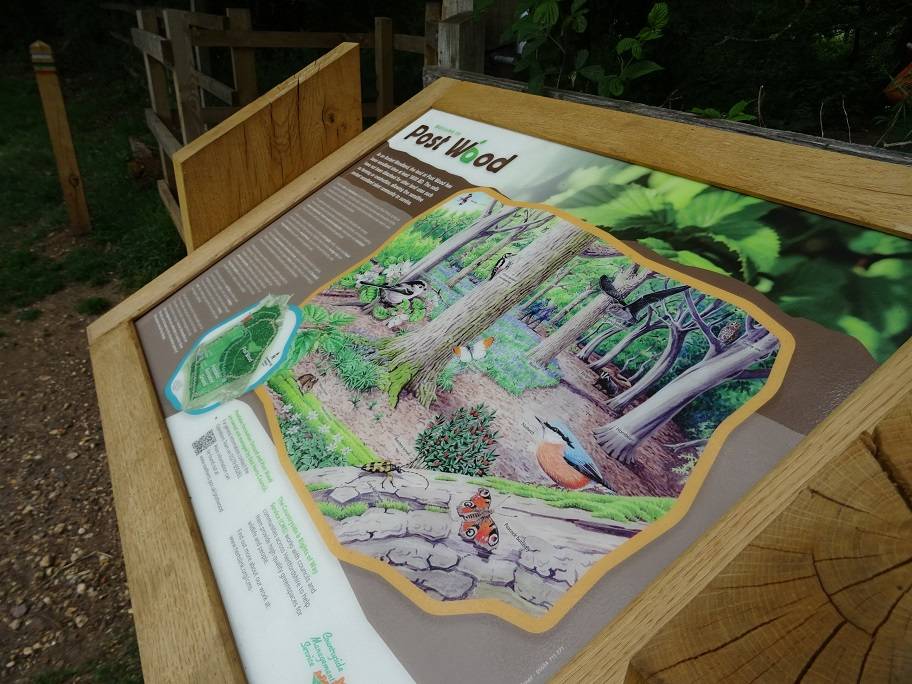
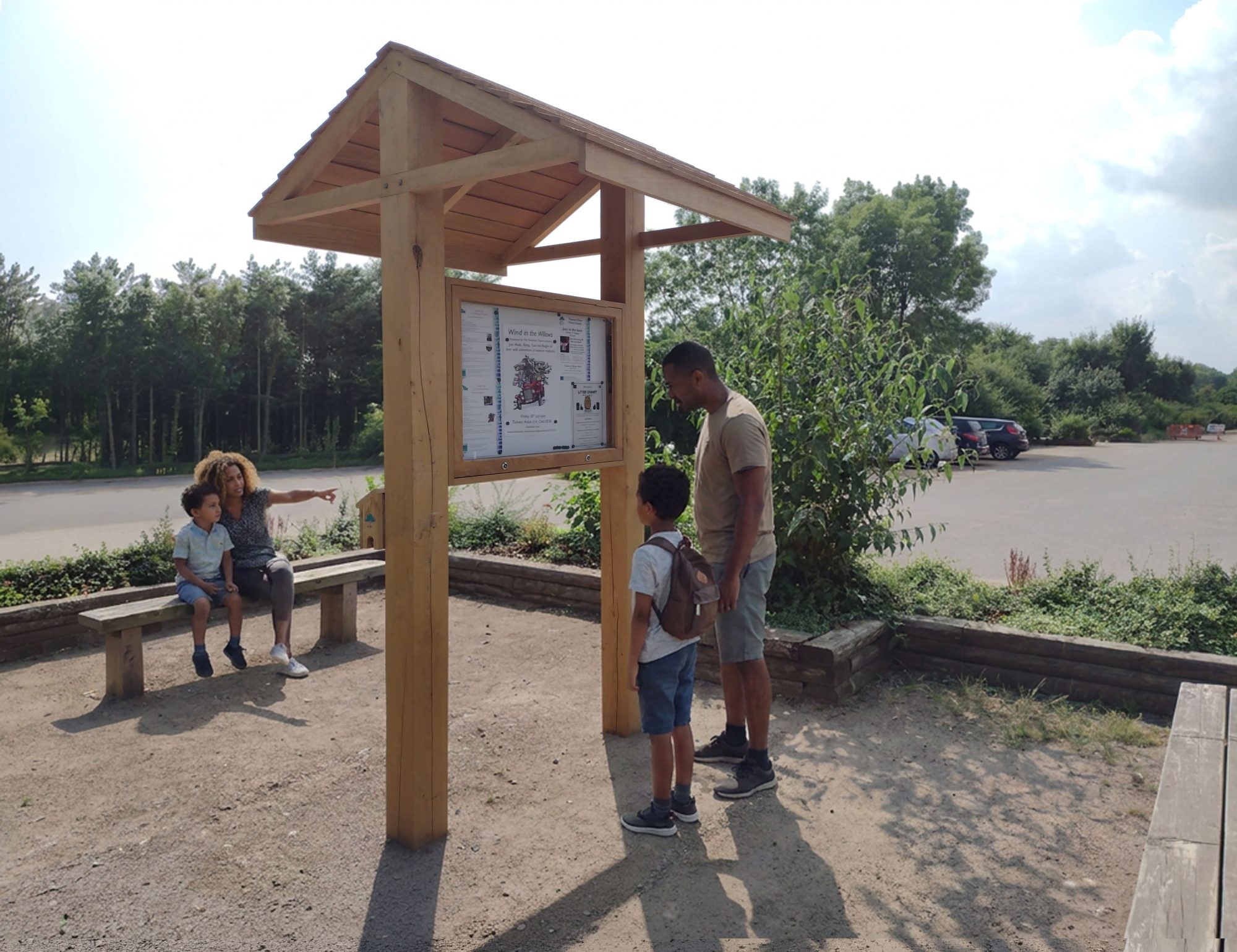
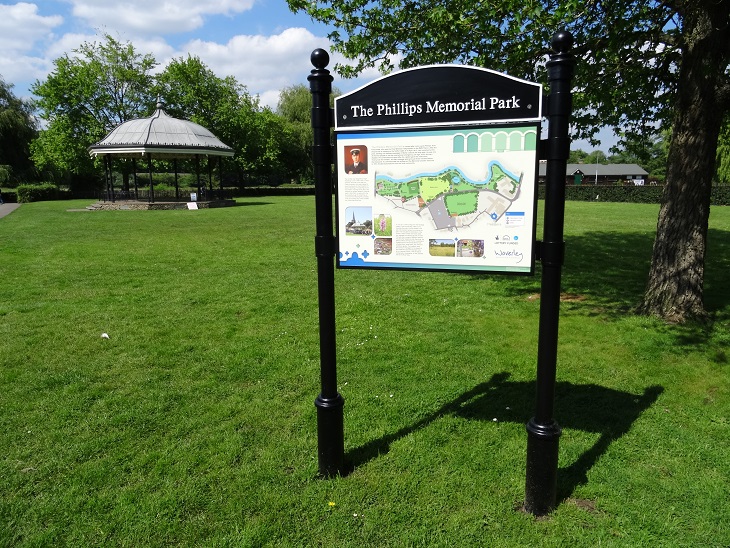
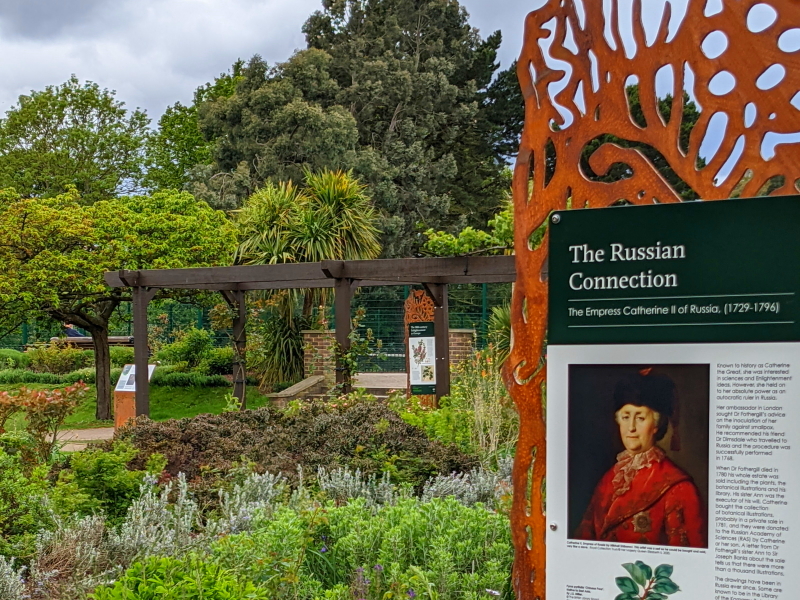
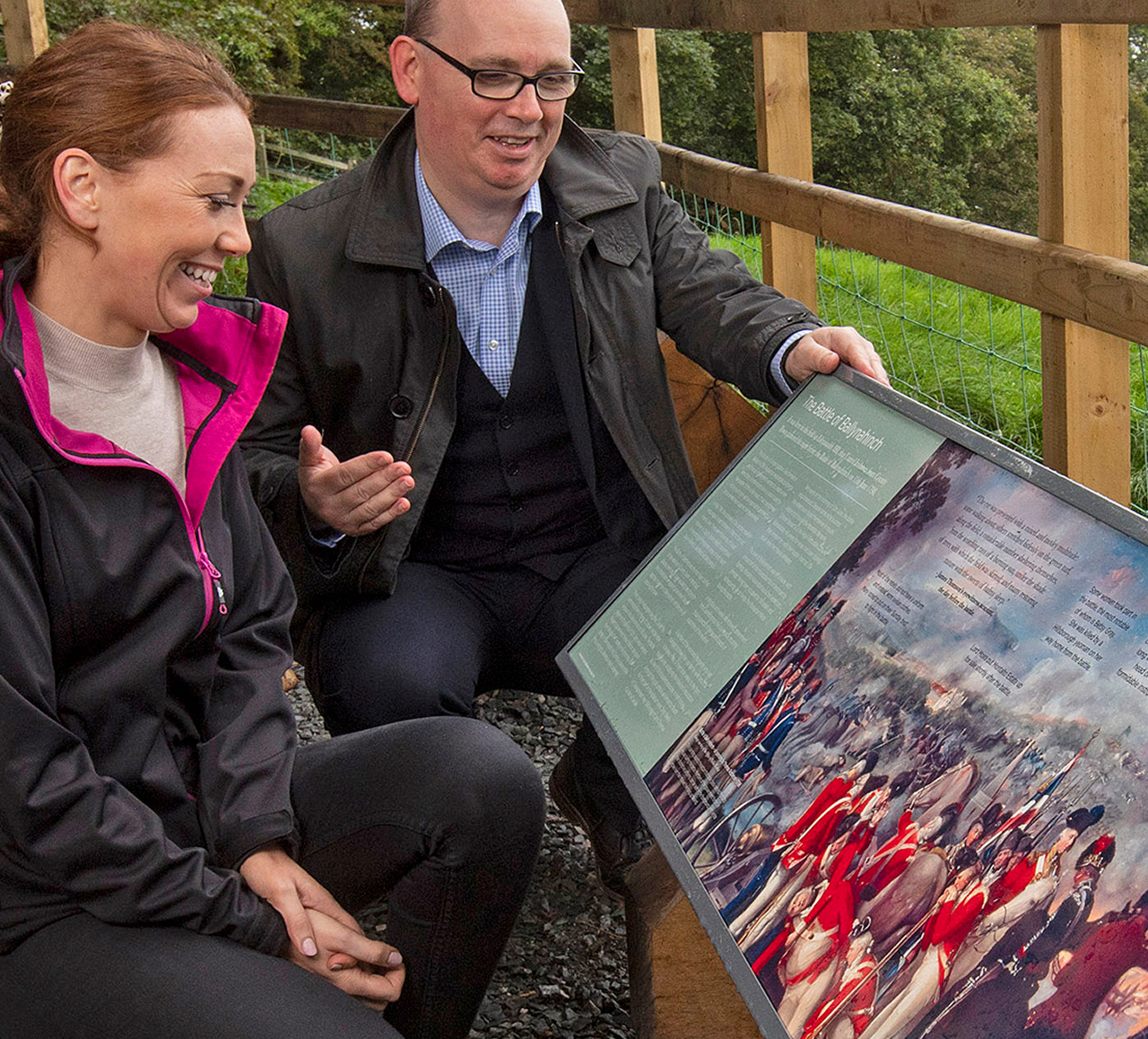
Signage is one of the many ways to ensure that every visitor to a site, attraction, or property has an enjoyable, memorable experience, can navigate with ease, find focal points, photo opportunities, or attractions, and feels confident in returning with relatives and children.
Cleverly placed signage can improve inclusivity, using formatting, imagery and illustrations that engage with all visitors, are visible from pushchairs and wheelchairs, and provide education, context and fascinating facts that visitors will enjoy.
If you’d like to discuss the best ways to improve the signage in your historical site or understand how to provide directional signage for international visitors, please contact Fitzpatrick Woolmer at any time. Our galleries and signage model pages also showcase some of our recent work with other heritage venues. Read more about our heritage site signage here.