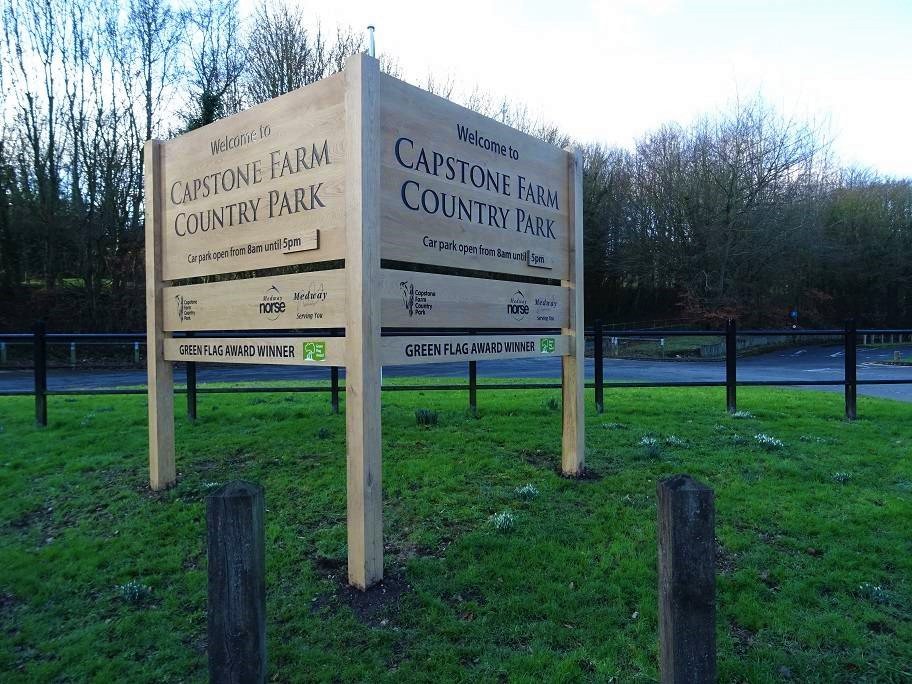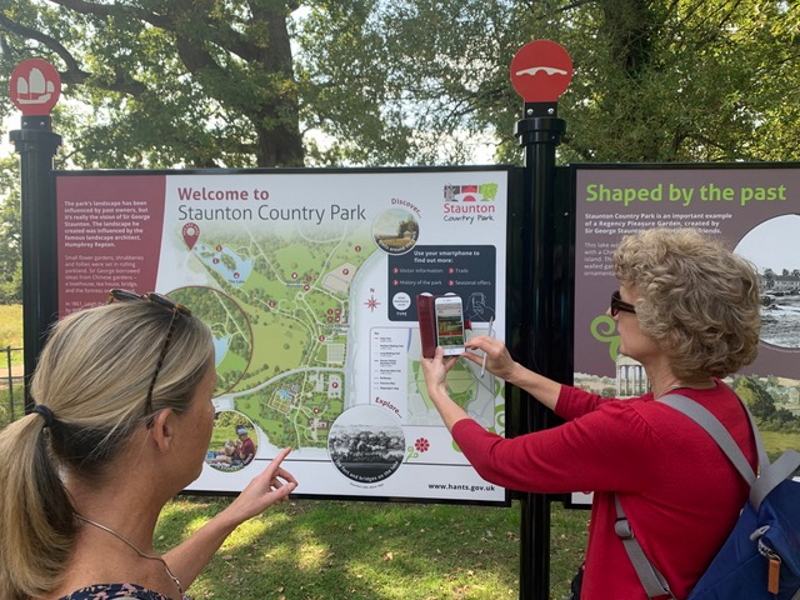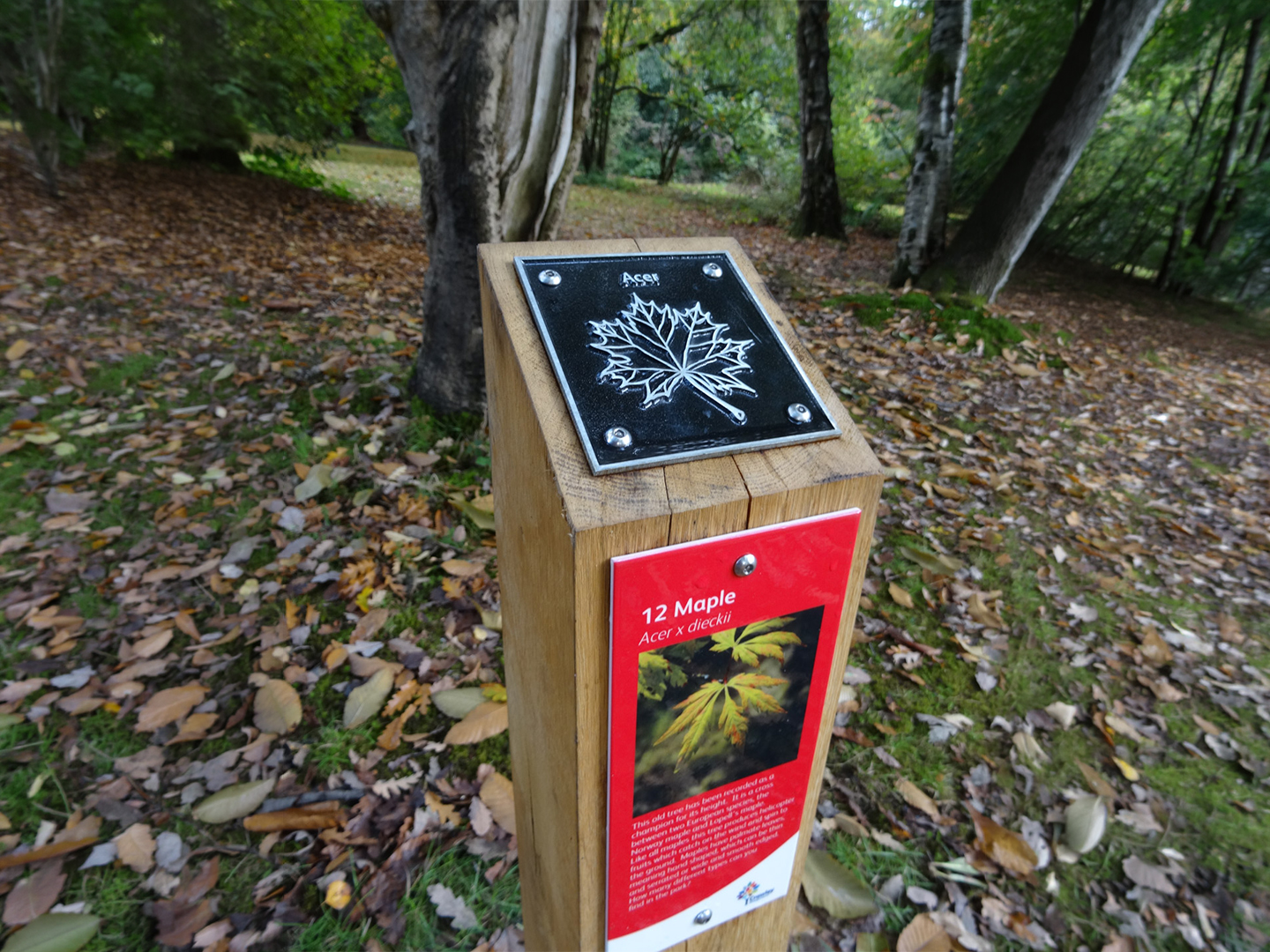
This year’s International Day for Biodiversity was themed around ‘Be Part of the Plan’, inspiring our teams to consider how natural materials, recycled models and integrating signage with the environment are key aspects of responsible signage design and production.
Here in the UK, we are fortunate to have some of the most biodiverse natural spaces anywhere in the world. These range from the Scottish Highlands to marshes, ancient woodlands, peatlands, forests, and lakes that support dynamic and intricate ecosystems of everything from wild birds to mammals, fish, and insects.
It is often tricky for us, as businesses and households, to understand how we can contribute to safeguarding biodiversity for future generations—and we’ve taken this opportunity to summarise some of the actionable steps we can all take to play our part.
1. Encouraging Natural Biodiversity With Wild Planting
Unfortunately, green space has declined rapidly over the recent decades, owing to a combination of demand for more housing, the expansion of towns and cities, and a lack of interest or investment in non-commercial outdoor areas.
The positive news is that several incredible organisations are working tirelessly to improve and correct this decline, including but certainly not limited to the following:
-
- Rewilding Britain
-
- Natural England
-
- The Wildlife Trusts
-
- Wildlife and Countryside Link
-
- National Biodiversity Network
Most of these groups, trusts, and organisations encourage everybody to contribute to the availability of plants, trees, shrubs, and wild grasses, which can support bees, butterflies, all sorts of beetles, and smaller creepy crawlies—they might not be pretty but are an essential part of the natural world!
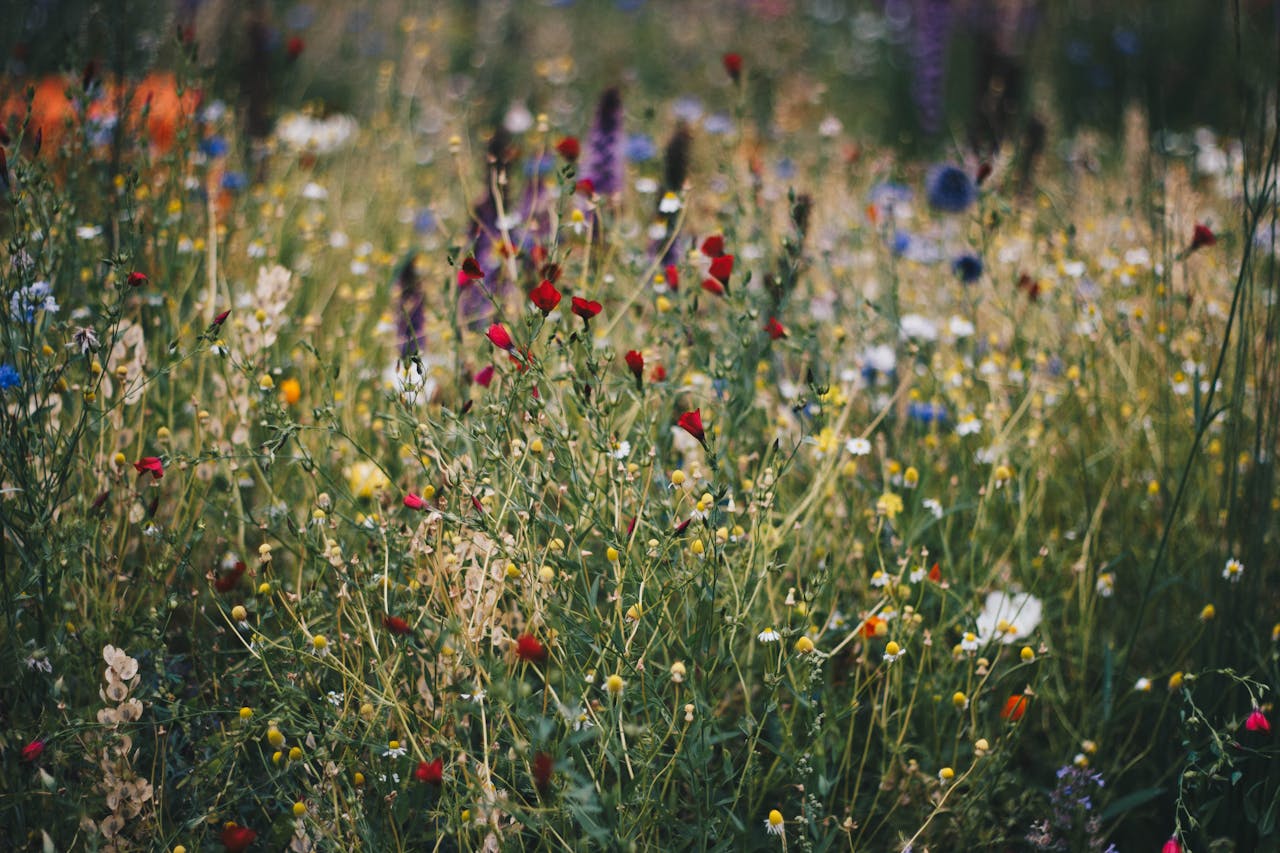
Adding bug hotels, natural ponds, berry-producing bushes, and native wildflowers assists in natural pollination and can host everything from birds to newts and frogs. Even a small patch of wild growth in your garden can help these species thrive.
Households with gardens can also avoid synthetic pesticides or lawn treatments. They can make your grass look greener but might affect the nutrition in the soil or even be dangerous to animals eating the grass and minerals in the ground.
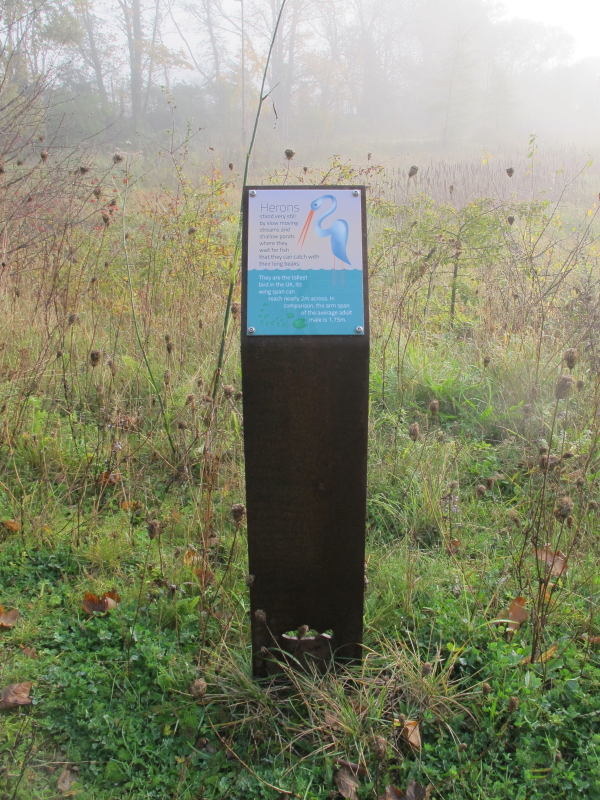
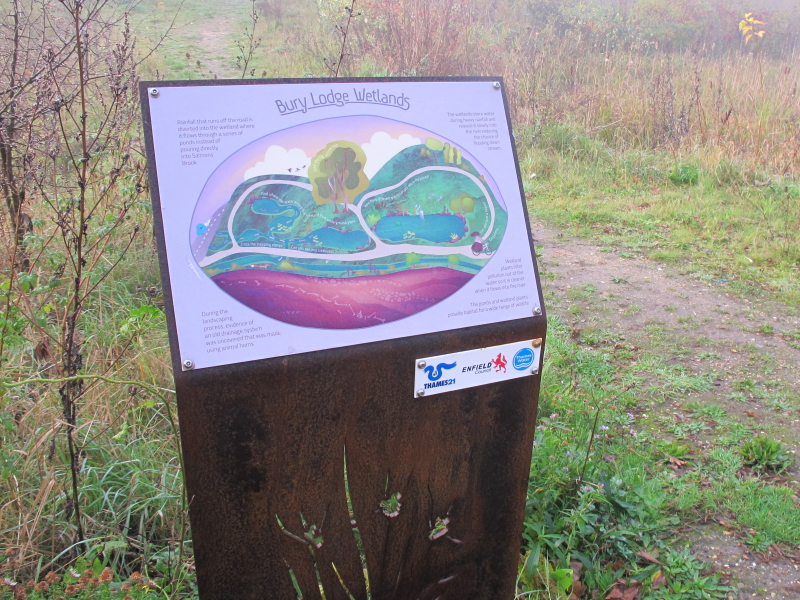
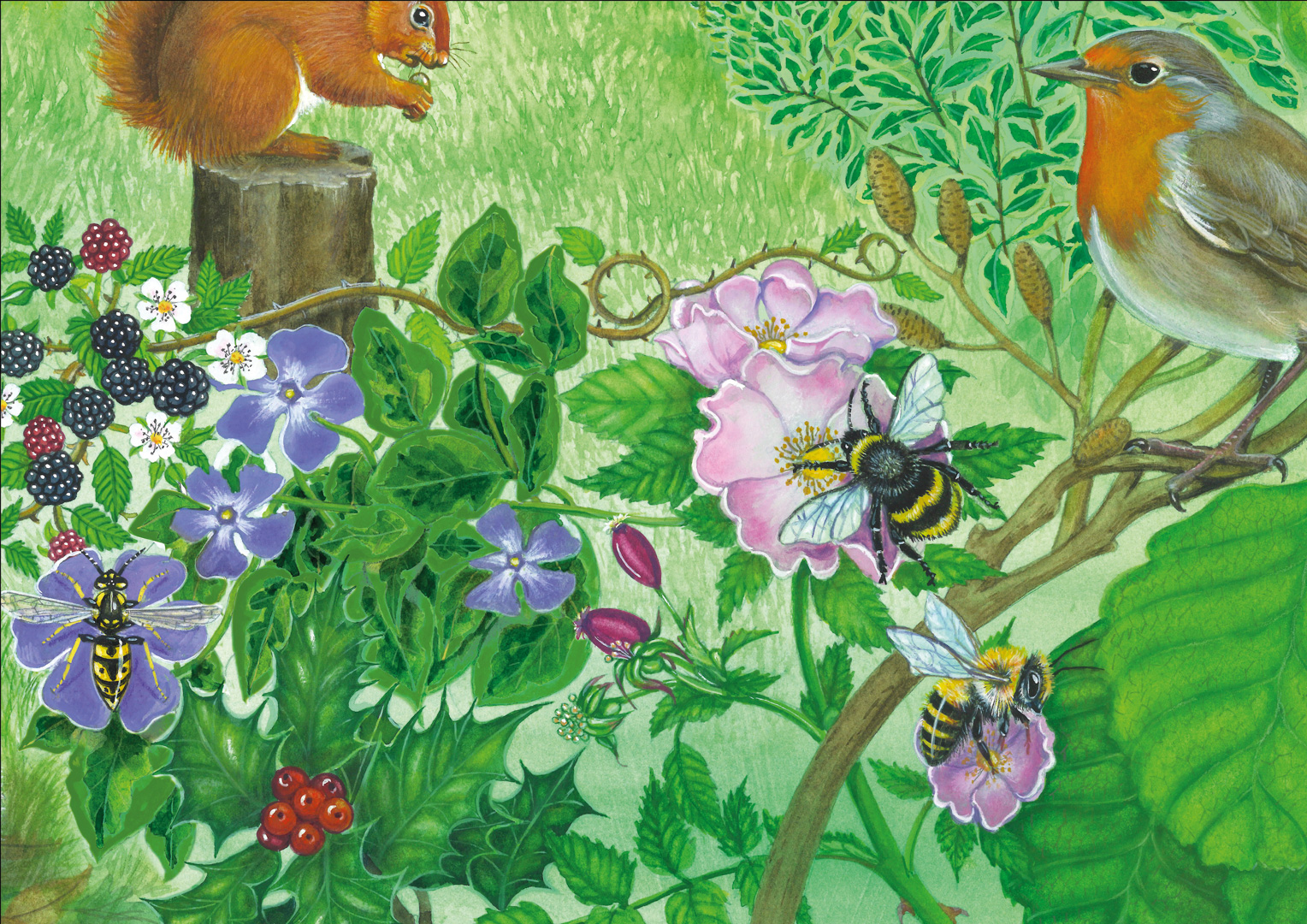
Education is key, and when we design and produce signage for conservation areas and nature reserves large and small, often using hardwood oak models like the Musketeer Oak Lectern, we frequently showcase the species that live all around us—ensuring more people know those we can look out for in and around our own gardens or allotments.
2. Supporting Birds and Bats With Nesting Boxes and Feeders
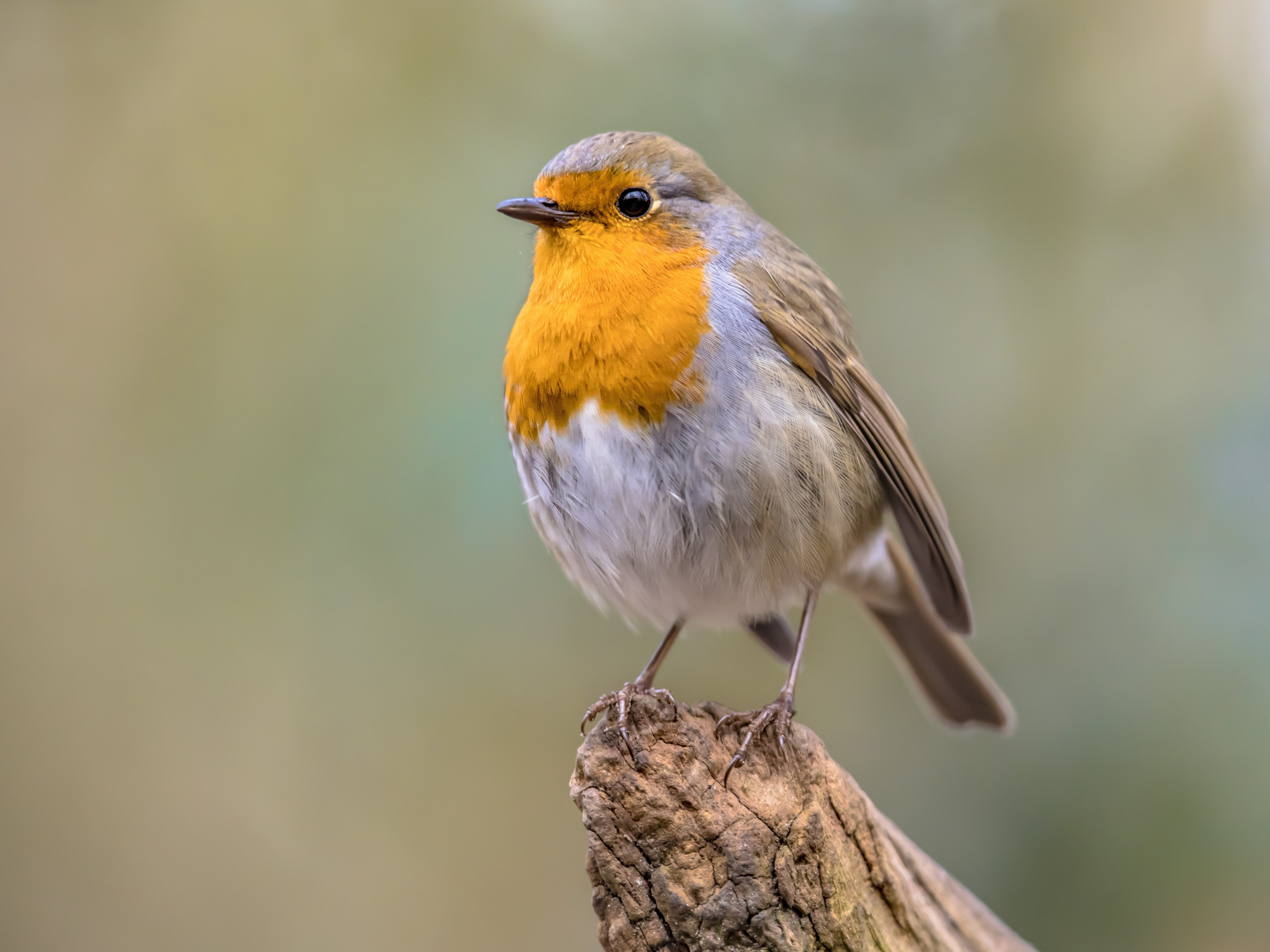
We are lucky to have over 600 recorded wild birds that call Britain home. These vary considerably, from coastal seabirds to those living in the middle of the largest cities, nesting in the countryside, and raising chicks in your local park.
Putting up a nesting box is also a great way to encourage bats—a species some people find scary but that does a brilliant job of eating pests that can damage your garden and even pollinate flowers.
Ideally, bird tables, feeders, and nesting boxes should be placed away from the ground, where smaller species are vulnerable to predators like cats and foxes. If you live on a higher storey, you can add a seed dispenser to a window or balcony—we can all help protect biodiversity, with or without any outdoor space.
The best options are to use natural timbers rather than plastics or metals, which can become overheated in warmer weather or lack the natural airflow that animals and bugs need to remain healthy.
3. Participating in Wildlife Censuses and Counts
Organisations like the RSPB and Big Butterfly Count often ask members of the public to help with surveys and reviews. These attempts quantify the number and diversity of species and determine the regions where more efforts are needed to halt declines.
Wildlife monitoring might seem like a passive activity. Still, it is crucial to ensure that organisations working in the biodiversity space have the data they need to map and identify issues or evaluate how well public education about the value of biodiversity is having an impact.
Particularly in cities and urban spaces, councils and non-profit organisations work hard to ensure air quality and the environment are healthy for animals and people, so taking the time to answer a few questions or note down the species you’ve seen can be valuable.
4. Keeping Beaches, Woodlands and Parks Clean and Tidy
It seems obvious, but many groups find that littering and waste continue to impact species’ safety around the UK—including marine life that depends on beaches, coastal tides, and reefs for shelter and food.
Lending a hand by litter picking, volunteering at beach clean-ups, or simply being mindful about putting all rubbish items in a bin or taking them home with you will help reduce the effects visitors often have on these special places.
Most parks and country reserves have rules regarding barbecues, often because the smoke and fumes are harmful to local wildlife. It’s important to note the signage displayed and respect those notices to ensure you don’t inadvertently breach the visitor rules.
5. Visiting Your Local Nature Trail, Conservation Charity or Wildlife Trust
Fitzpatrick Woolmer has been delighted to collaborate with sector-leading organisations, including the Norfolk Wildlife Trust and the Suffolk Wildlife Trust, that invest in conservation, biodiversity, and environmental support.
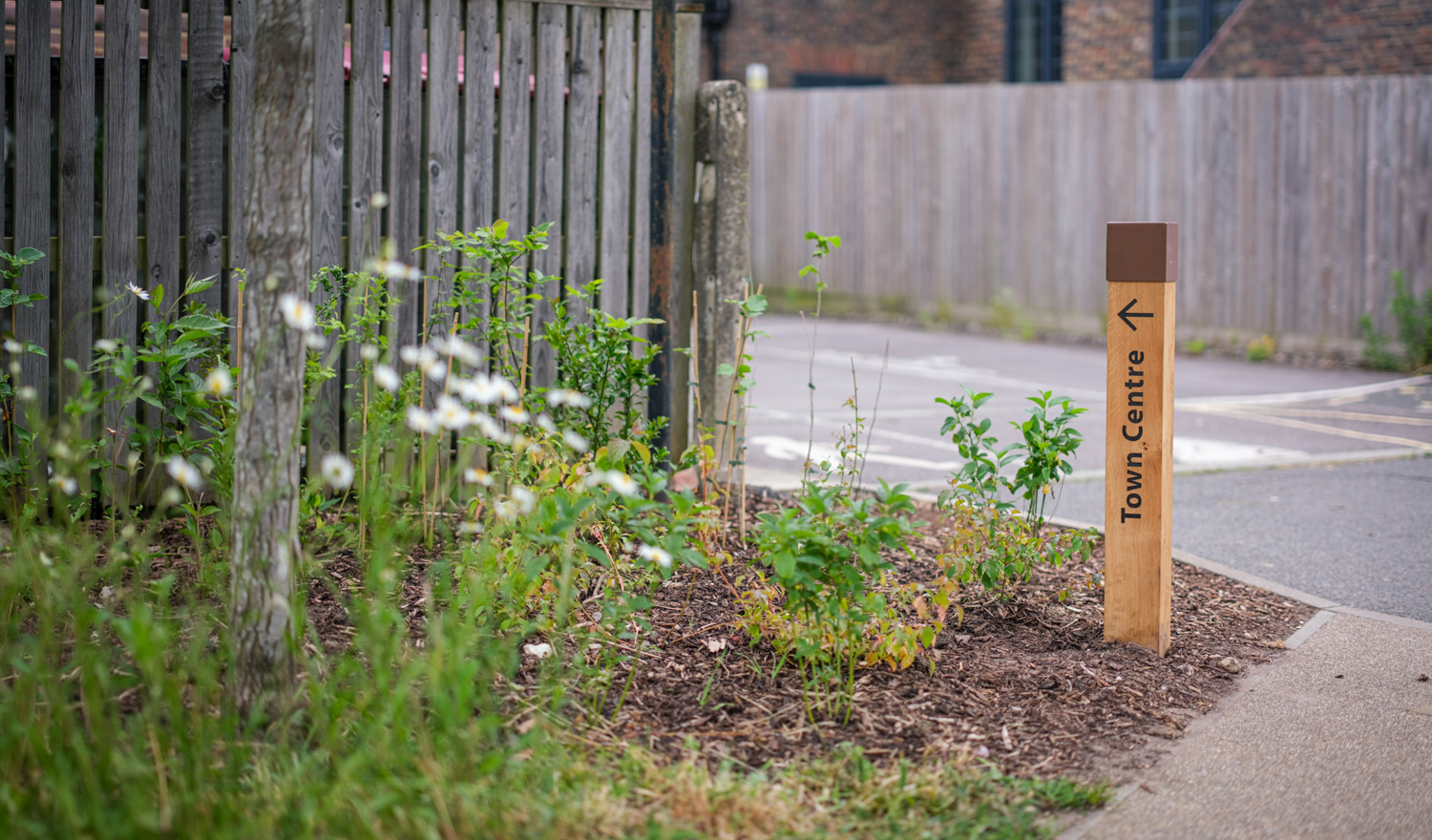
We encourage everybody to visit their walking routes, nature reserves, and stunning protected areas in the UK’s national parks and wetlands, where you’ll discover exciting facts and information about rare and unique spaces through our directional, wayfinding, and interpretation signage.
Seaford Head Nature Reserve, for example, offers winding walks over the cliffs. It features the rugged Bowman B Interpretation Display and Combination Display, along with the Woodsman Lectern, to illustrate some of the site’s minibeasts, walking paths, and biodiverse environments.
Using natural timbers ensures these signage models slot seamlessly into the setting without impacting the natural flora and fauna and provide accessible information for all visitors.
Spending a relaxed day out, introducing children to biodiversity, and exploring untouched and protected areas is a perfect way to reconnect with nature while supporting this vital work.