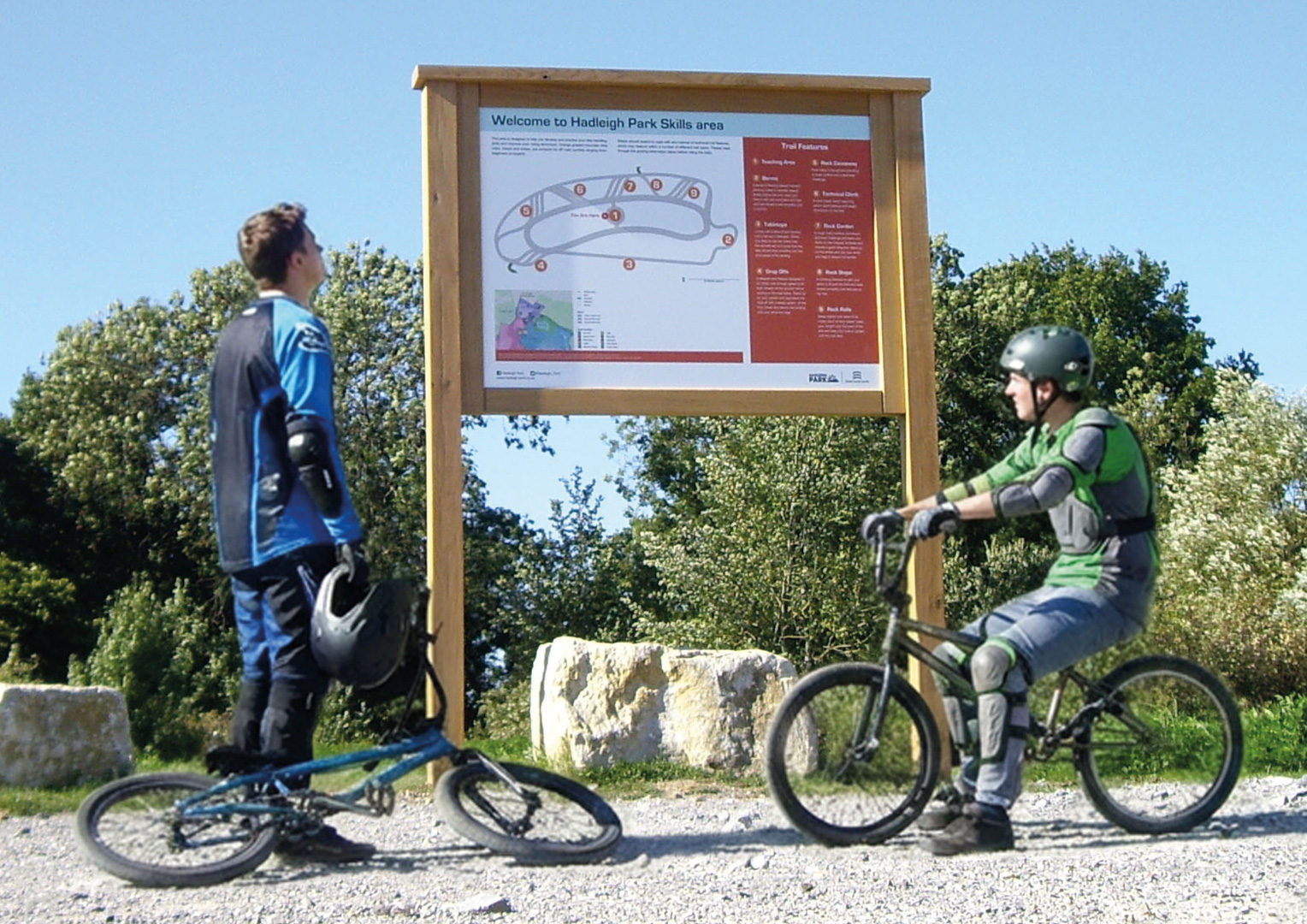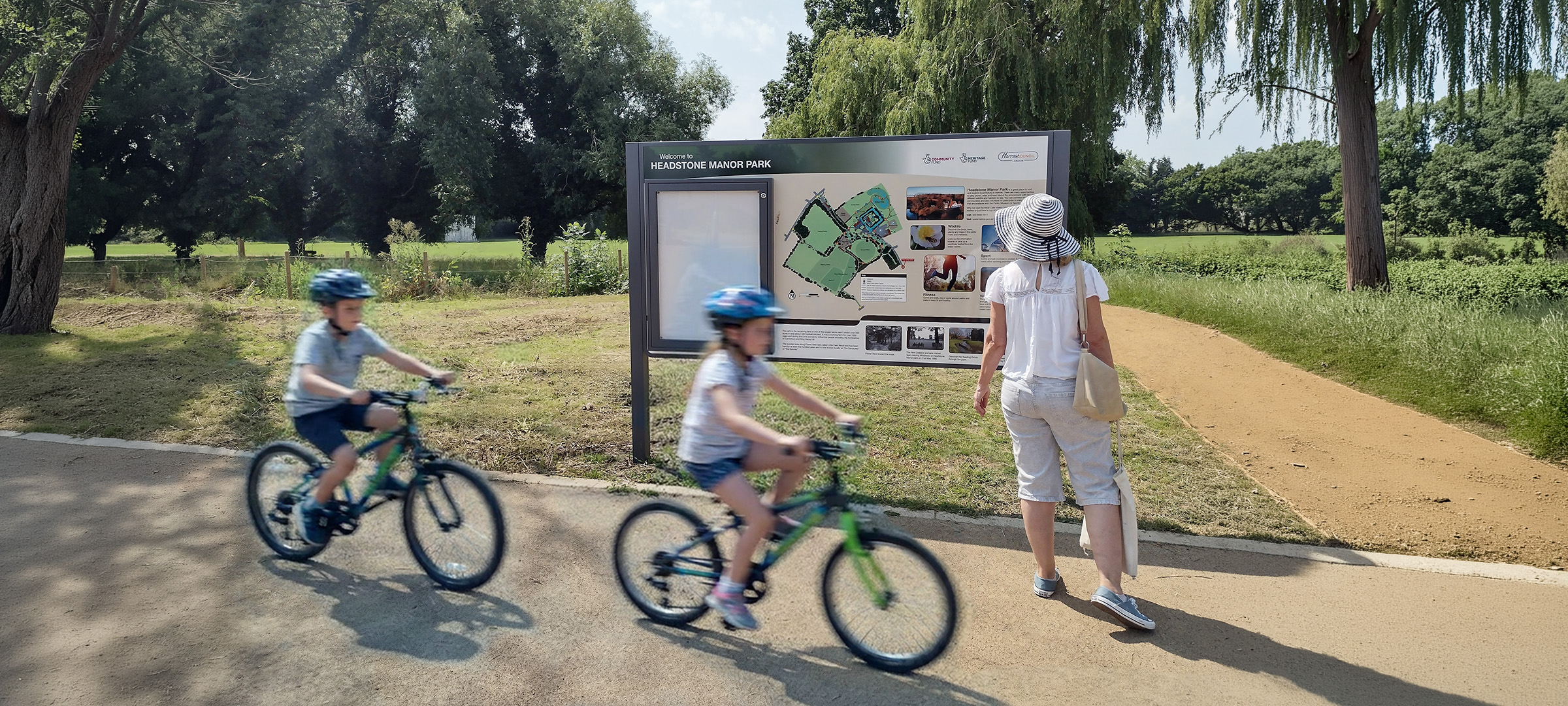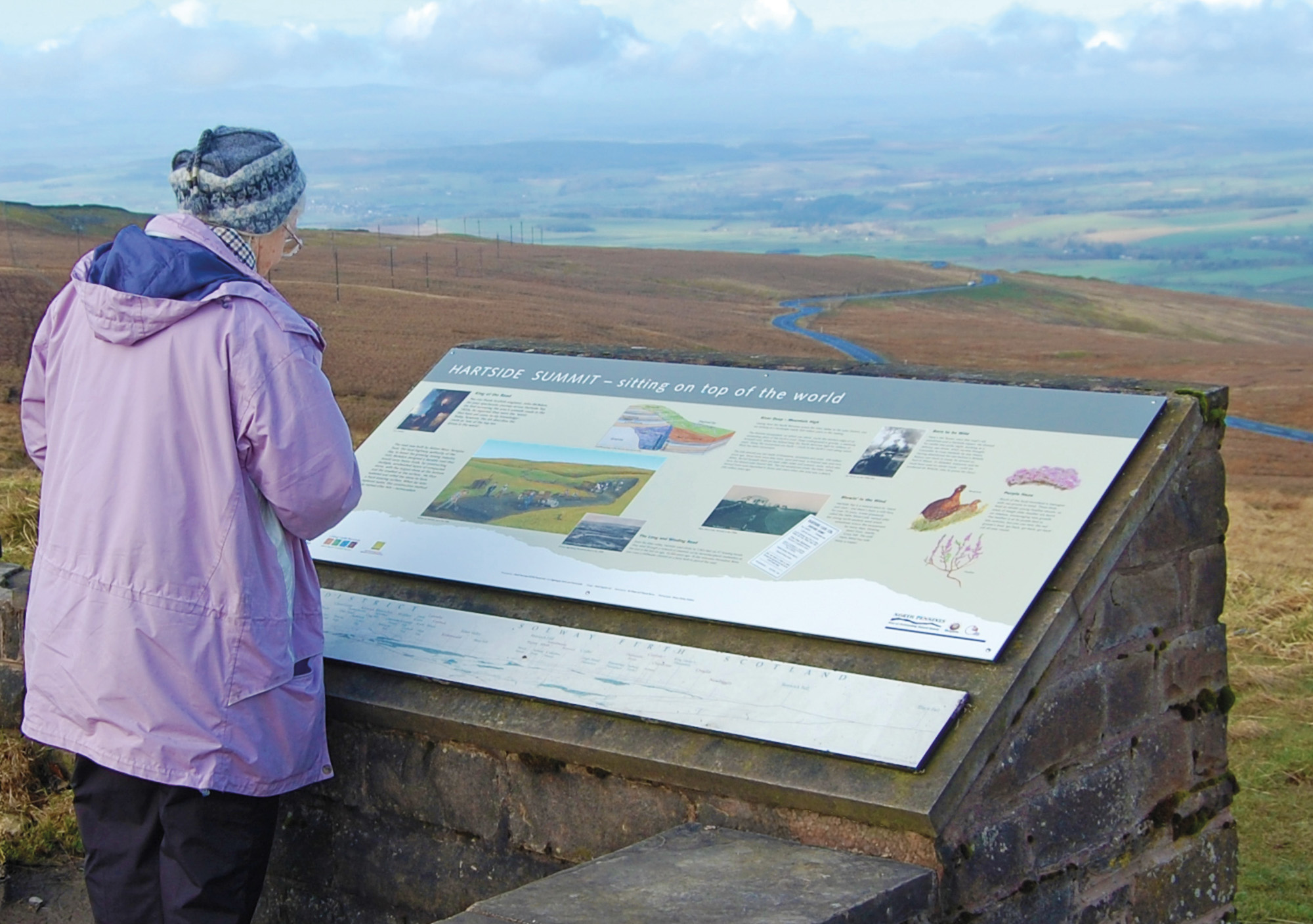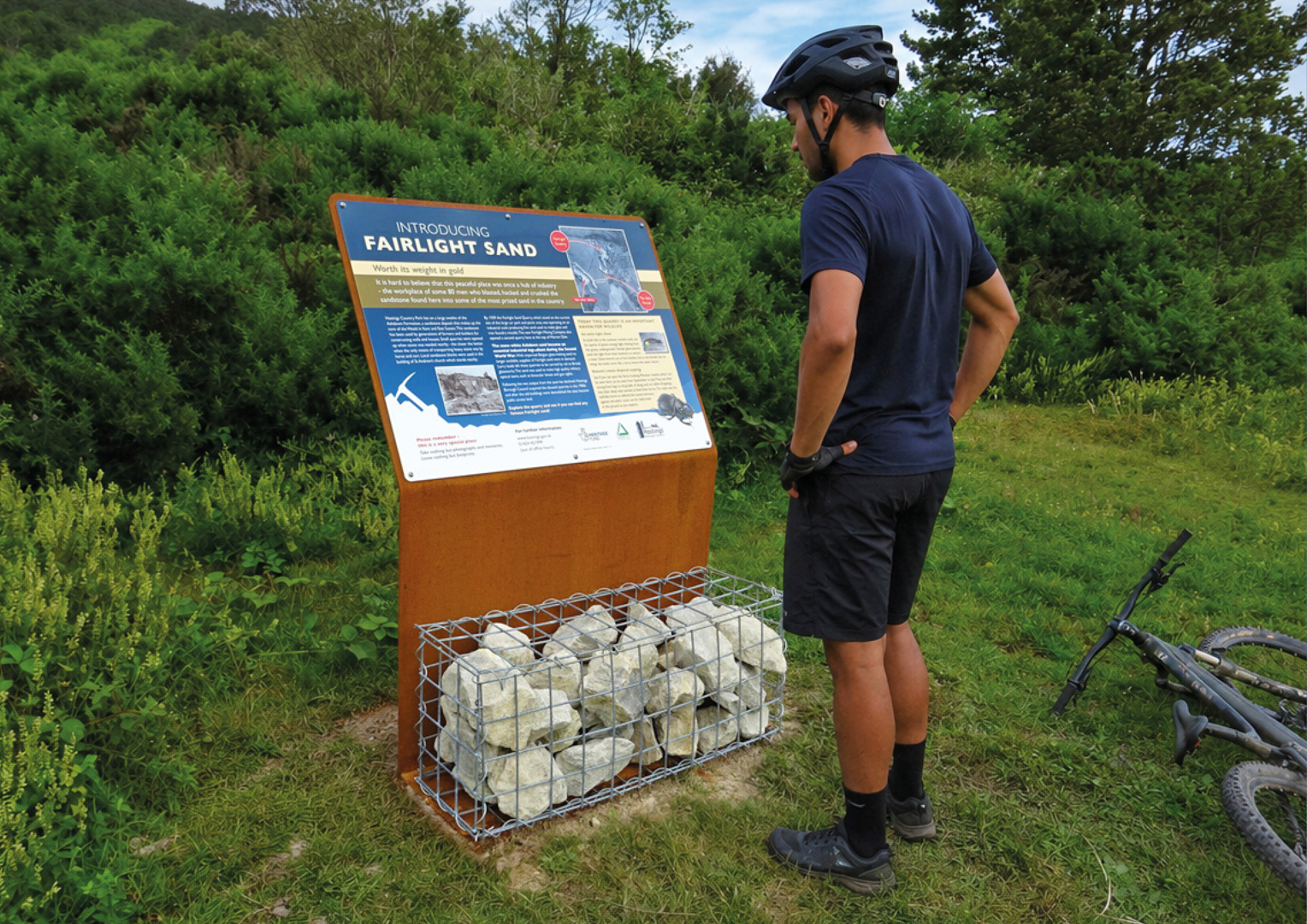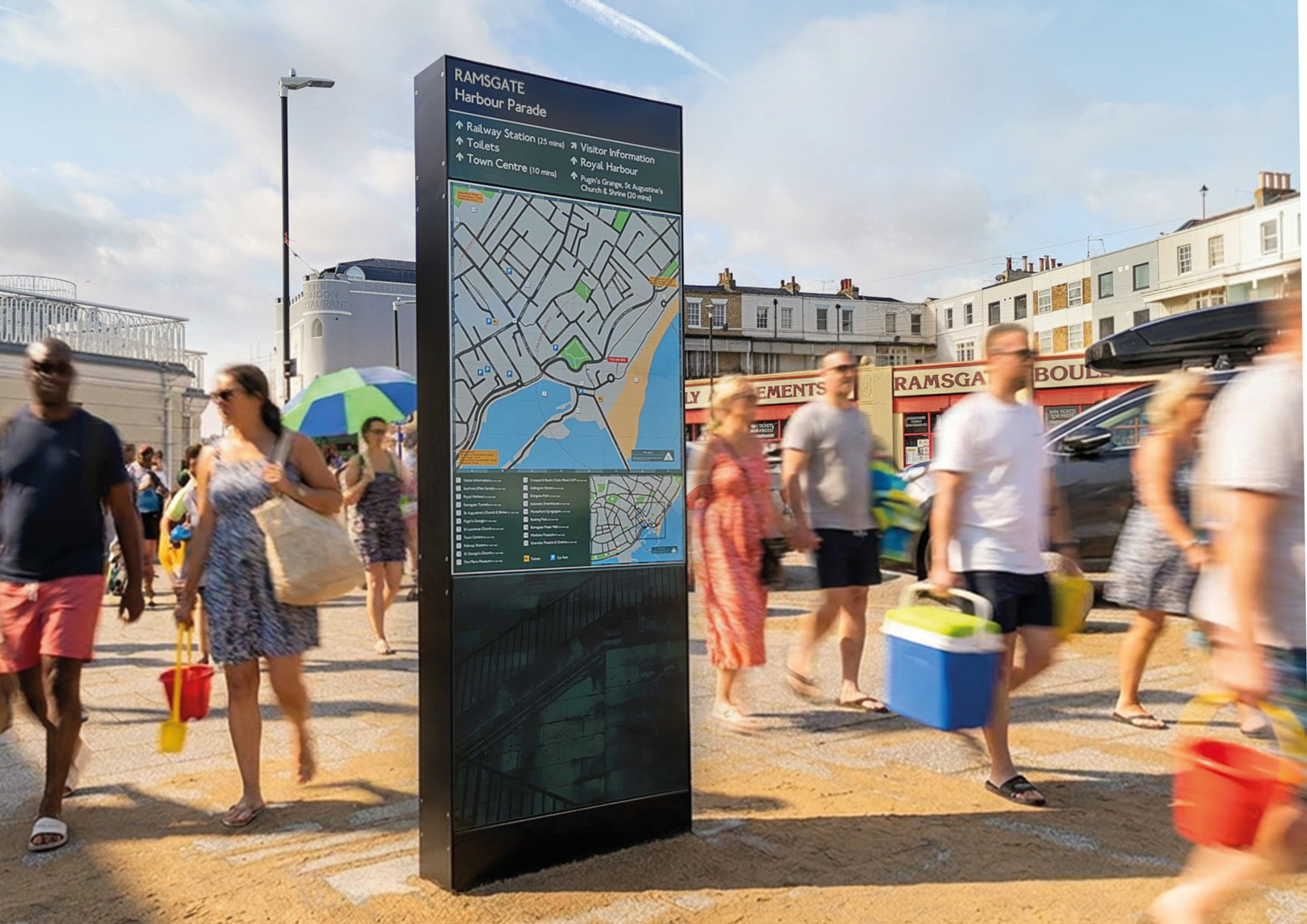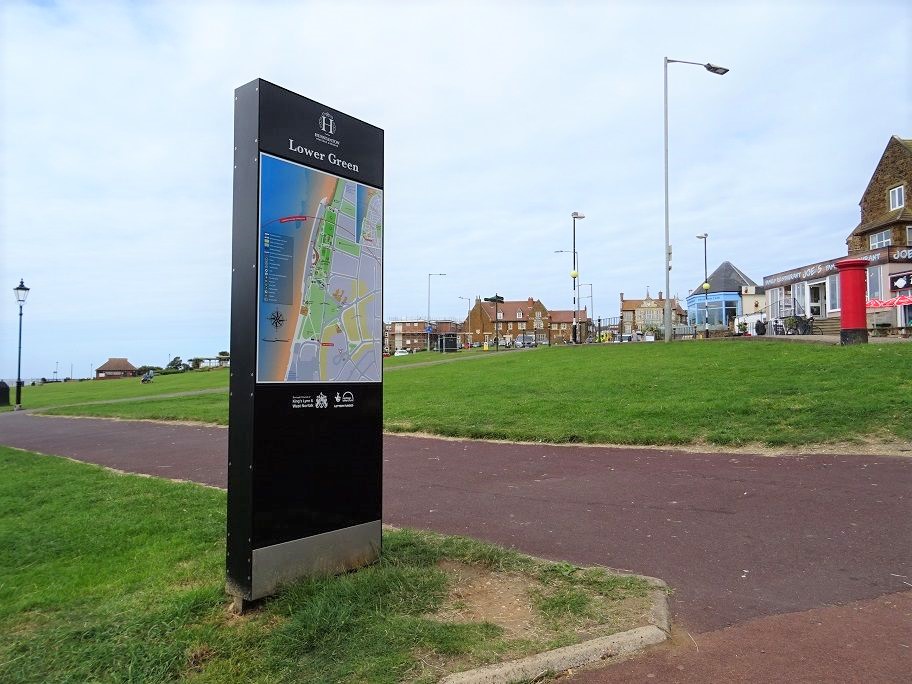
Most people think signage is there to serve a simple purpose: to point people in the right direction, provide information or help them navigate a space. But our ethos – experience signage – is something very different. At its best, signage becomes part of the experience itself – shaping how people feel, interact explore and connect with a place.
Over the last decade, expectations around visitor experiences have changed dramatically. Whether in heritage destinations, cultural spaces, leisure attractions or public environments, people are no longer looking for purely functional spaces. They want immersion. They want connection. They want moments that feel considered, engaging and memorable.
That shift has changed the role signage plays.
Experience signage is about shaping atmosphere, supporting storytelling, creating confidence, encouraging exploration and helping people engage more deeply with the environment around them.
The best examples are often the least obvious. Good experience signage doesn’t interrupt a visitor journey – it becomes part of it. It guides naturally, informs intuitively and enhances the overall feeling of a space without demanding attention for itself.
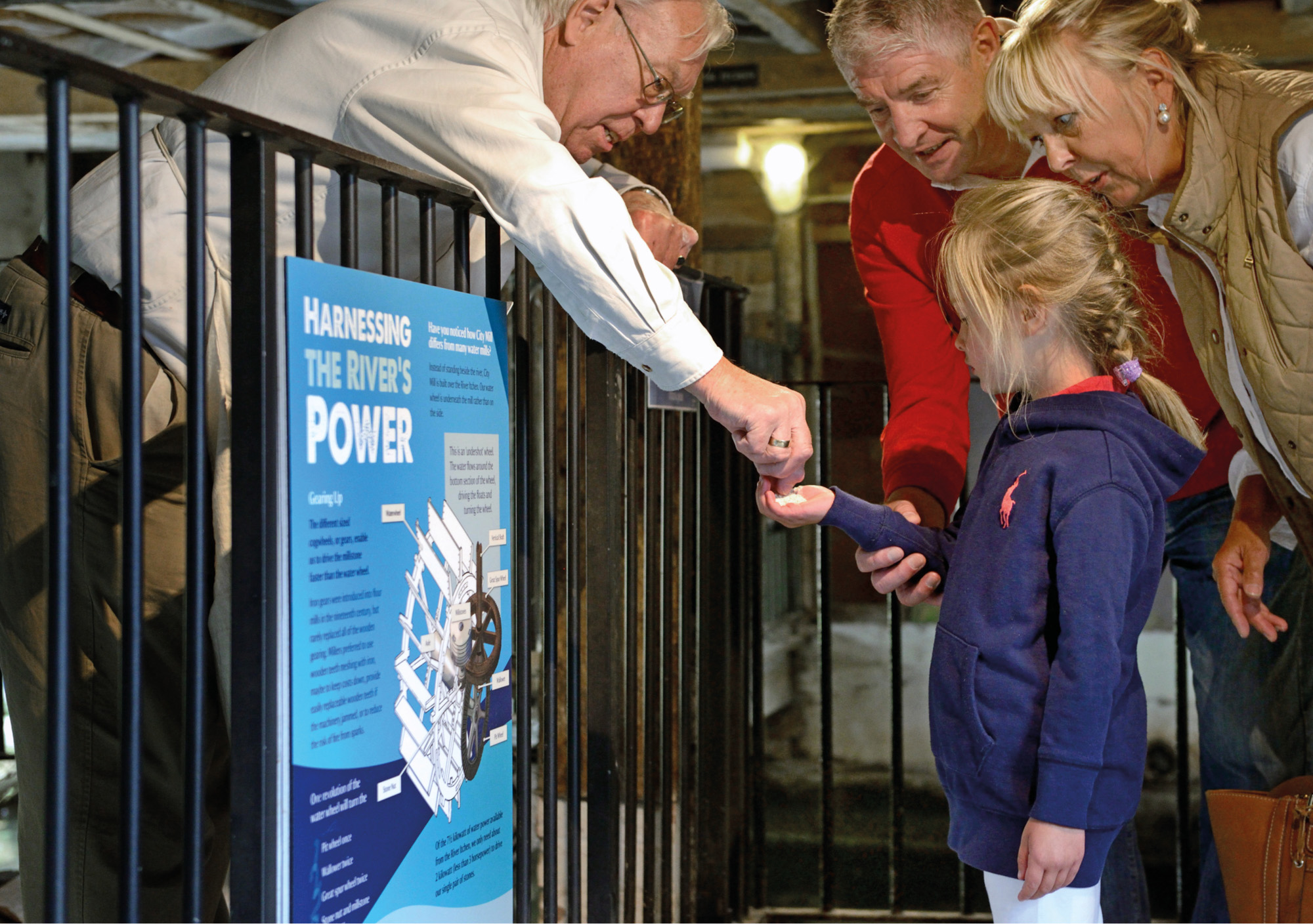
In heritage and cultural environments especially, signage has evolved from something purely instructional into something interpretive. It helps transform information into experience. A carefully positioned interpretation panel, a tactile wayfinding feature or a beautifully crafted directional sign can all contribute to how a visitor understands not just where they are, but why that place matters.
That emotional connection is increasingly important. People remember how places make them feel. Signage has the ability to reinforce a sense of curiosity, discovery, calm, excitement or reflection depending on how it is designed and integrated into a space.
At the same time, there’s growing recognition that physical environments need to work harder for a broader range of audiences. Accessibility, inclusivity and ease of navigation are now central parts of visitor experience design, not afterthoughts. Effective experience signage helps reduce friction, remove uncertainty and create spaces that feel welcoming and intuitive for everyone.
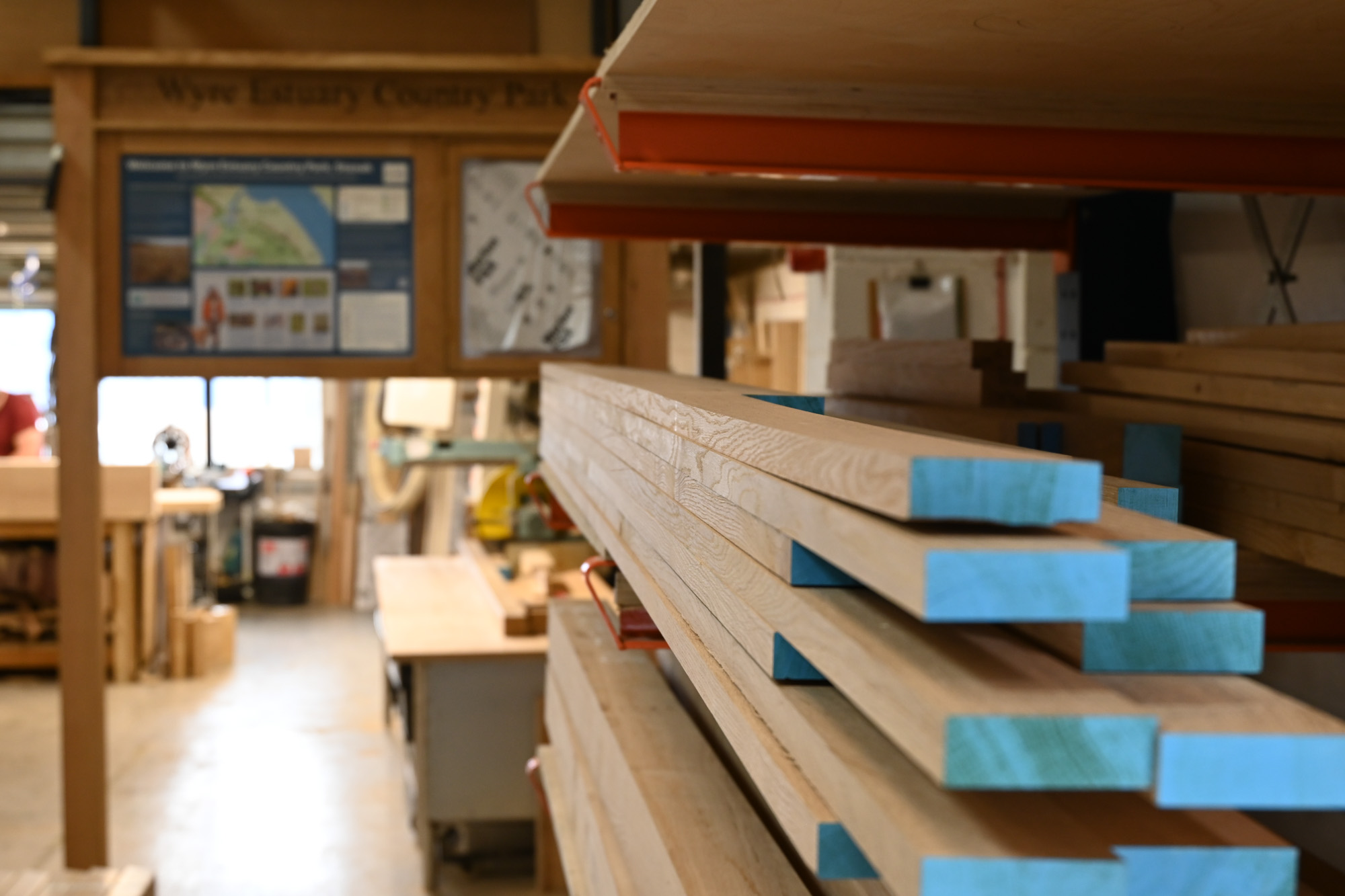
Materiality also plays a bigger role than many people realise. The materials, finishes and craftsmanship behind signage all contribute to perception. Visitors instinctively recognise authenticity and quality, even if they don’t consciously analyse it. In heritage and outdoor settings particularly, signage that feels sympathetic to its surroundings can strengthen a sense of place rather than compete with it.
Sustainability is also becoming inseparable from the conversation. Visitors are increasingly aware of the environmental impact of the spaces they visit, and expectations around responsible design continue to rise. Experience signage now needs to balance creativity and durability with environmental responsibility – creating solutions that not only enhance a place visually but respect it environmentally too.
Ultimately, our ethos of experience signage sits somewhere between design, storytelling, architecture and human behaviour. It is one of the few elements of a visitor environment that can simultaneously guide, educate, reassure and inspire.
Traditional signage tells people where to go. Experience signage helps people understand where they are.