Wayfinding systems are a common feature in myriad outdoor and indoor spaces, helping visitors to navigate, find services, and identify points of reference that make their experiences enjoyable and stress-free.
While signage is an integral part of a good wayfinding system, the right solutions may also include maps, lighting, directional arrows and intelligent building or facility design, all of which feed into the way people move around a space and find what they are looking for.
If you travel to any complex environment or public-access building, you will almost always find a wayfinding system in action, whether within a university campus, a hospital, an airport or a public transport train station.
Understanding the Principles of Wayfinding
As the name suggests, wayfinding is a network of tools that assists in navigation around a physical setting, incorporating a variety of features. These components prevent visitors or site users from becoming lost, accessing parts of the site not intended for visitors, or finding themselves disoriented and unsure where to turn to for help.
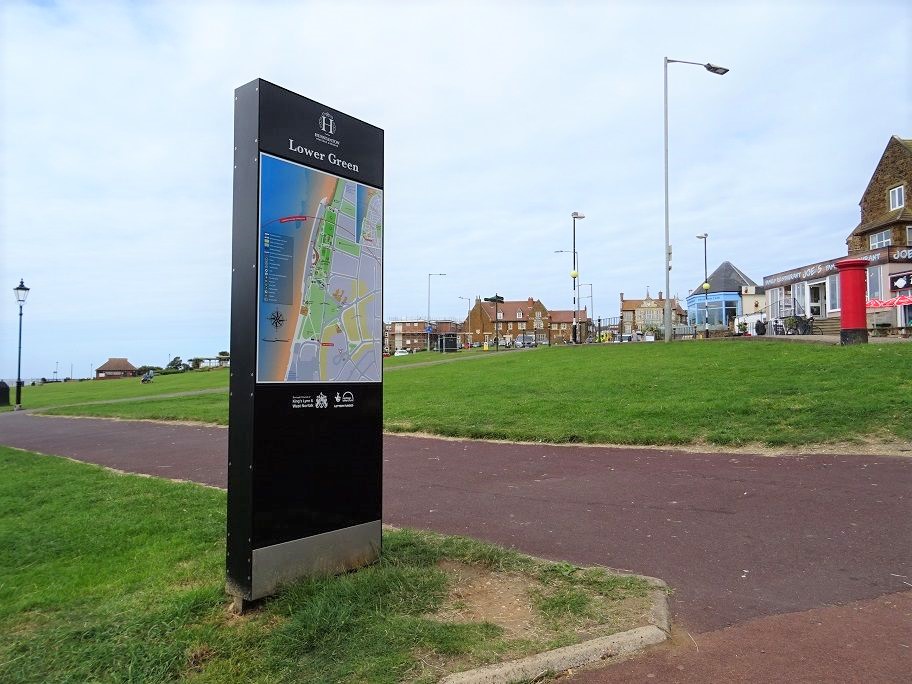
Wayfinding in transport networks, schools and shopping centres are easy examples. Businesses and site managers might introduce wayfinding with directional signage, colour-coded maps, lines or arrows, symbols and icons, or kiosks where visitors can access in-person advice about how to find the service or amenity they are looking for.
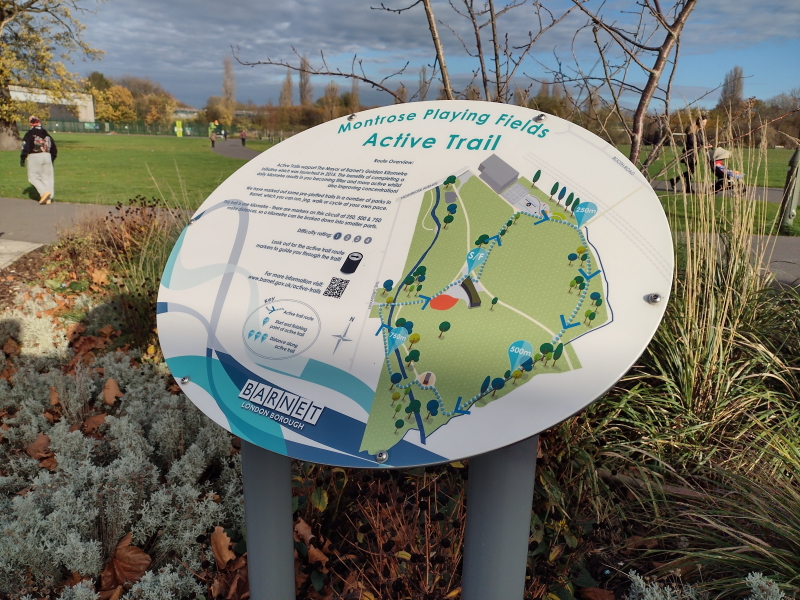
However, some aspects of wayfinding are also key for environments with potential risks or safety hazards. Scenarios like an outdoor walking trail, hiking route or cycling path may rely on wayfinding to stop users from getting close to cliff edges, approaching deep water or attempting climbs or inclines that are too steep for all but the most adventurous.
Well-planned wayfinding can introduce additional safety, reinforce site security and ensure visitors feel protected and confident during the route from any point to the next, provided wayfinding offers the necessary information at strategic points across the site or facility.
Designing an effective wayfinding system
The starting point when developing any wayfinding system is to think about the diversity of site users who may depend on wayfinding during a visit. Organisations should assume their case study visitor is unfamiliar with the site layout, has never visited before, and is wholly reliant on wayfinding to assist during their visit.
Some of the core focuses are consistent across almost all wayfinding systems:
- Clear communications using visual icons and symbols alongside text to ensure every visitor of every age, including those who may not speak the language, can understand the directions provided.
- Consistency, where wayfinding uses logos, colours or branding to help instil trust where a visitor is assured that signage and directions are authentic and official.
- Comprehensive wayfinding, without any gaps in the journey or points at which a first-time visitor might not have any signs or cues to assist.
- Concise information to display the relevant and important details a visitor needs without adding an overload of unnecessary information that can make wayfinding confusing.
While adding context, such as information about points of interest, landmarks, and facilities, may add value, it is important that wayfinding isn’t cluttered and that any added detail doesn’t detract from the core purpose of a wayfinding system.

Types of Signage Commonly Used in Professional Wayfinding Systems
Signage is fundamental to effective wayfinding and can vary from directional signs with arrows, icons or route indicators to warning signs to ensure visitors are well-advised of any hazards they may encounter.
Although each setting or site will have different wayfinding priorities, many incorporate:
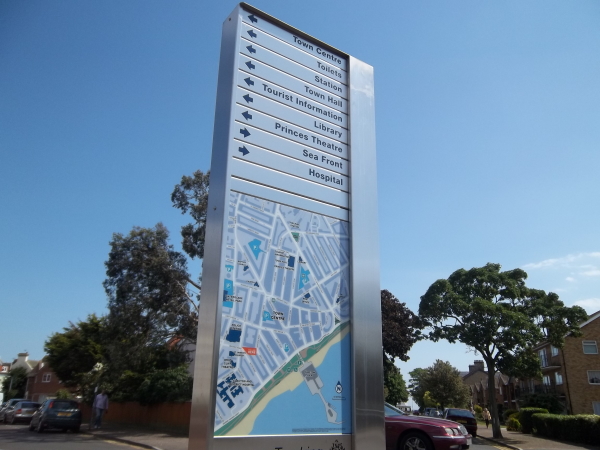
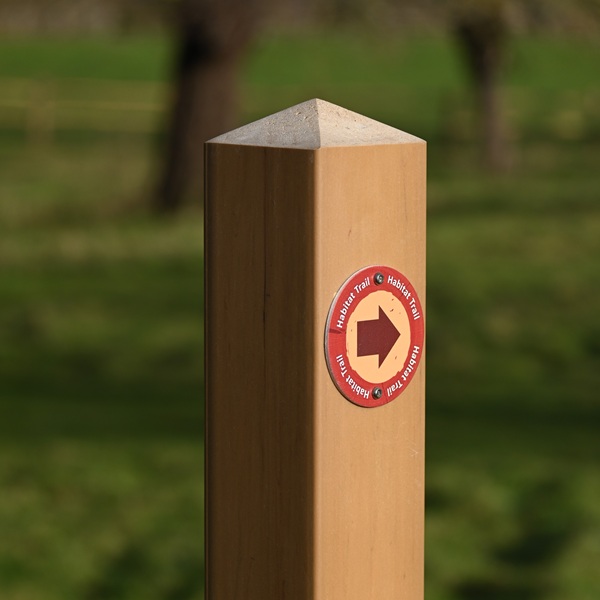
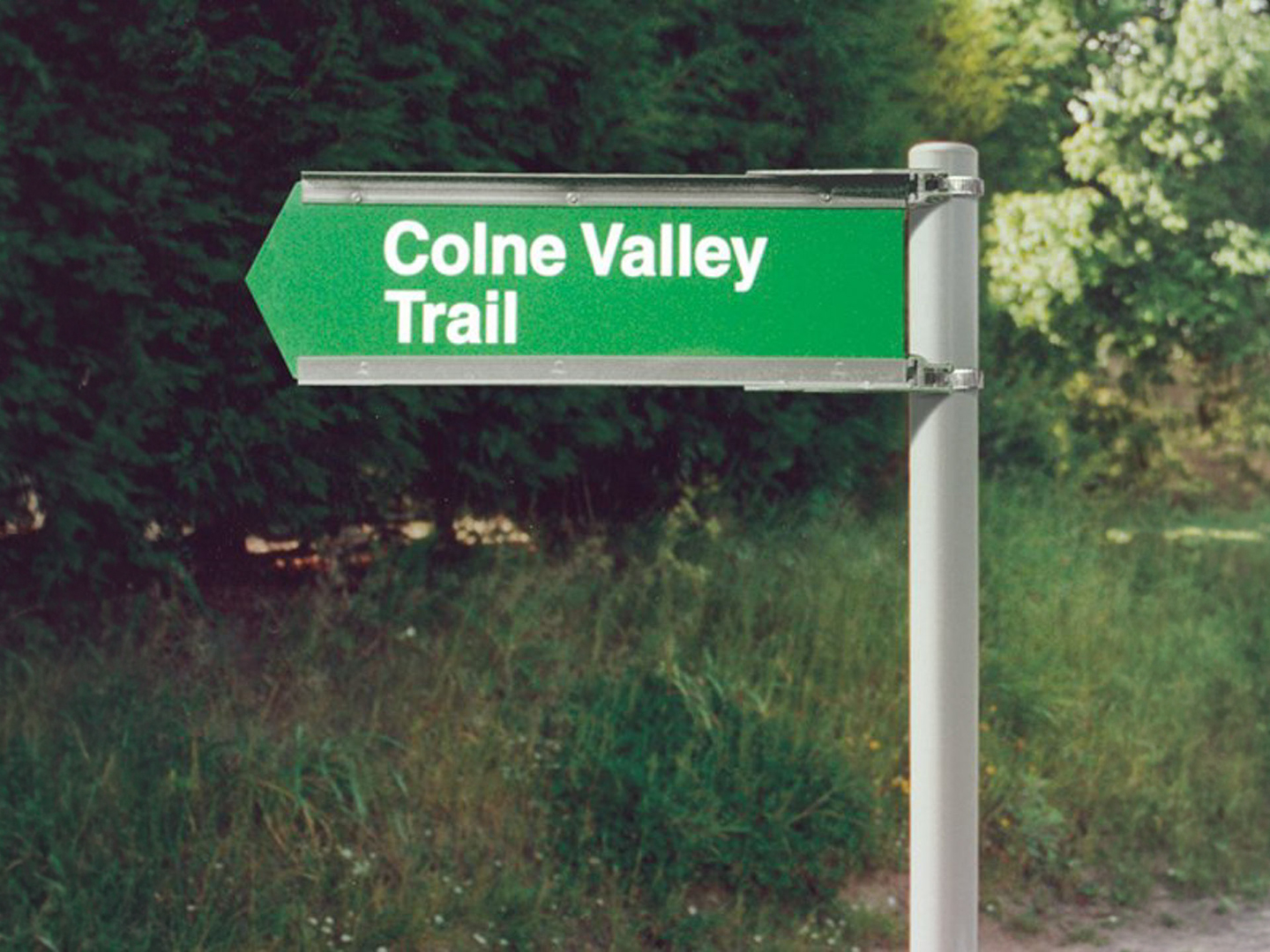
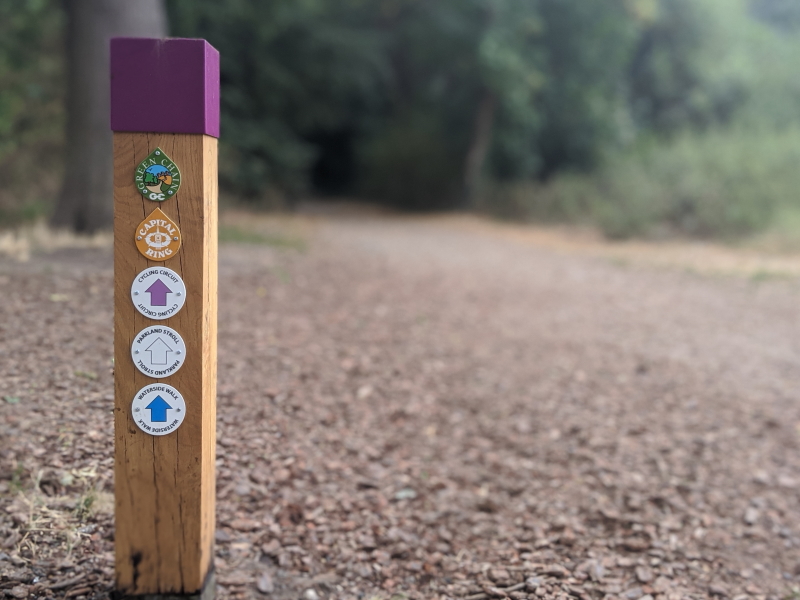
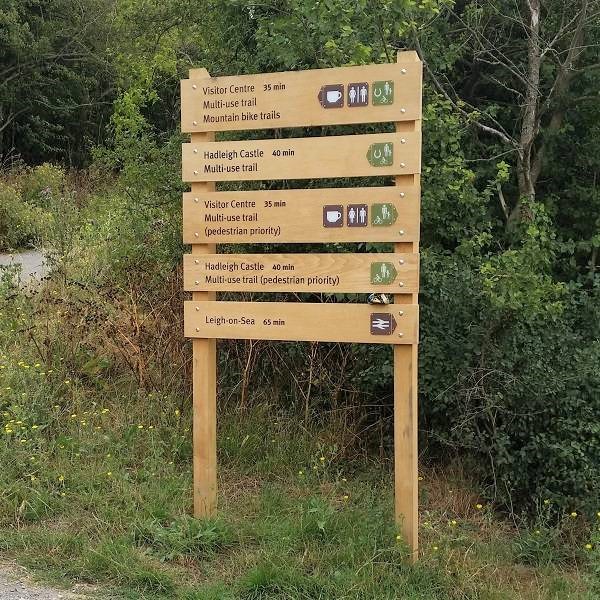
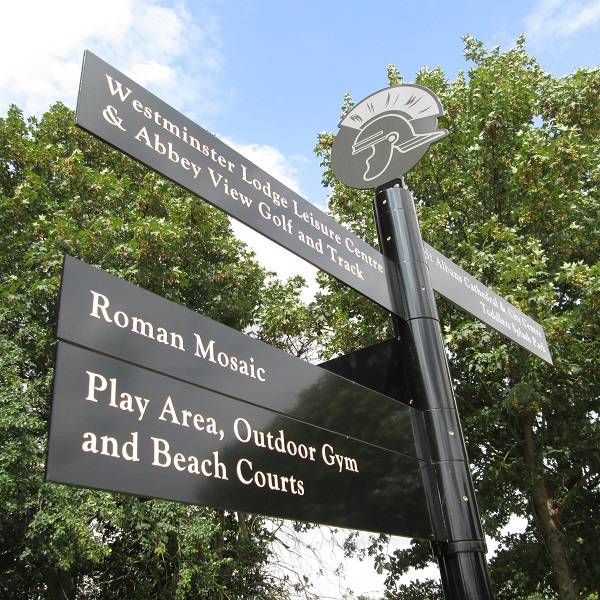
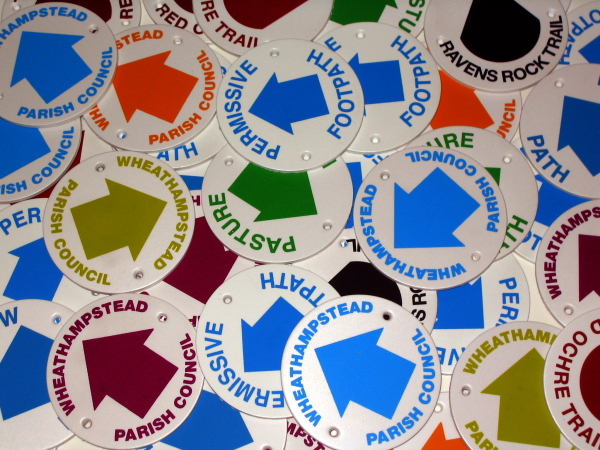
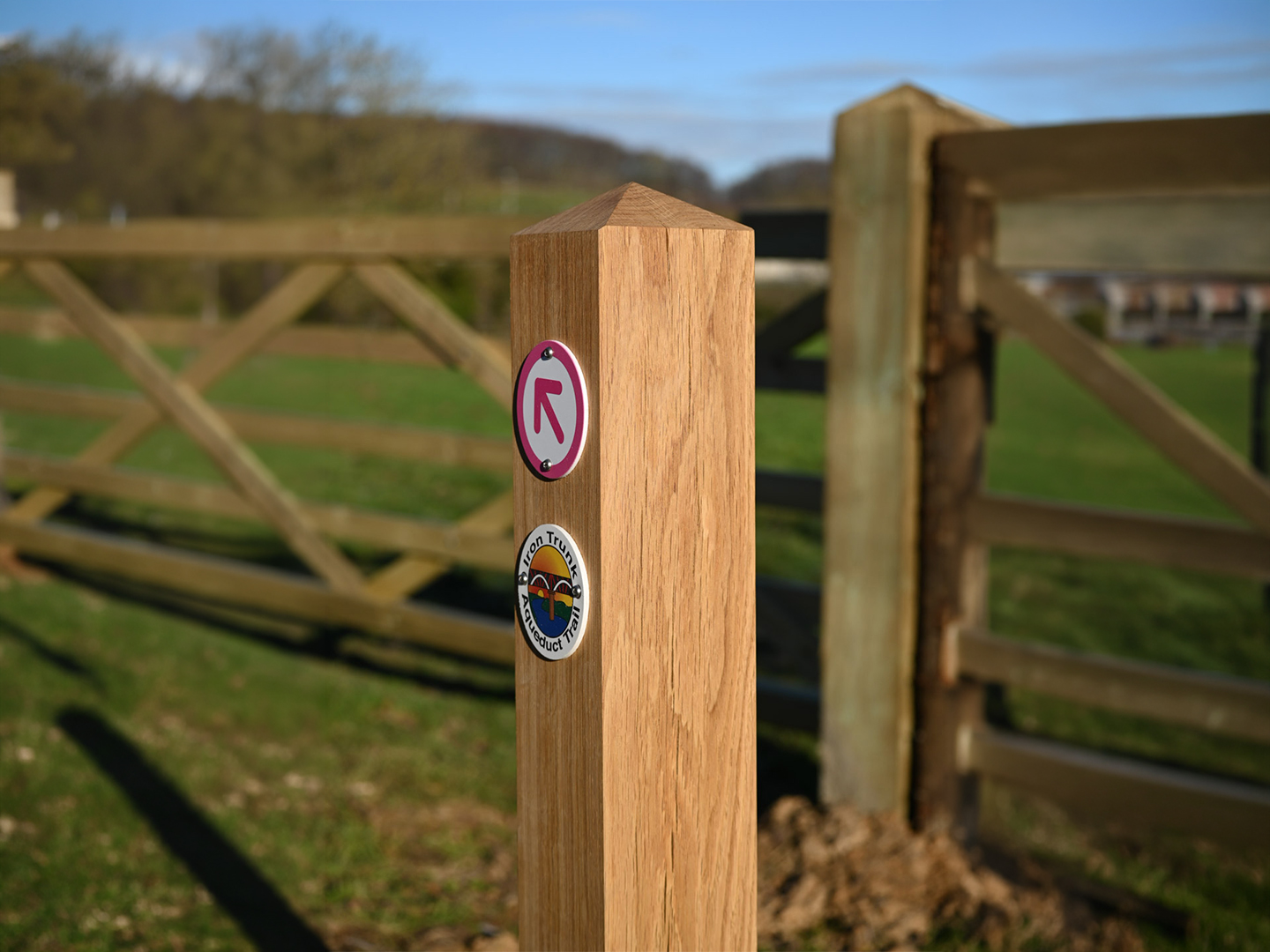
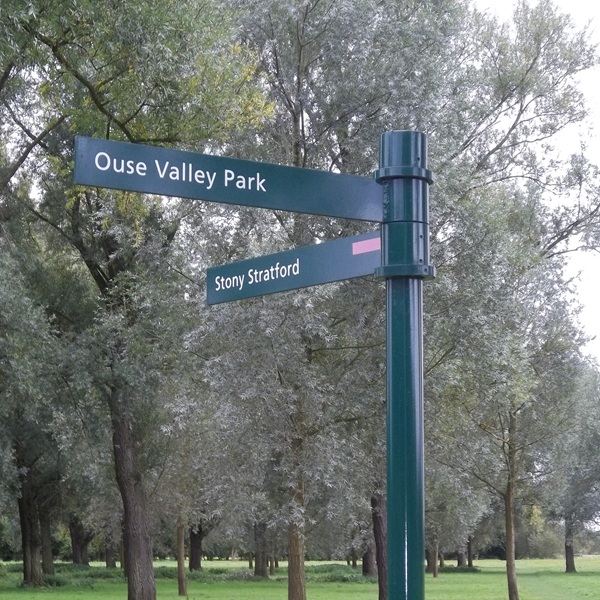
- Directional signs that indicate the correct direction to follow. These could include directional signage printed onto walls or floors, standalone signs with arrows that show the right route to take, or junction signs which indicate the amenities or locations accessed by each pathway. Directional signs can also include finger post signage as well as ladder signs and waymarking posts.
- Informative signs are often used to convey more detailed information and might include useful notices, such as whether there is a Wi-Fi signal available, where to access bathroom facilities, or contain lists of retail outlets, businesses or office spaces on each floor.
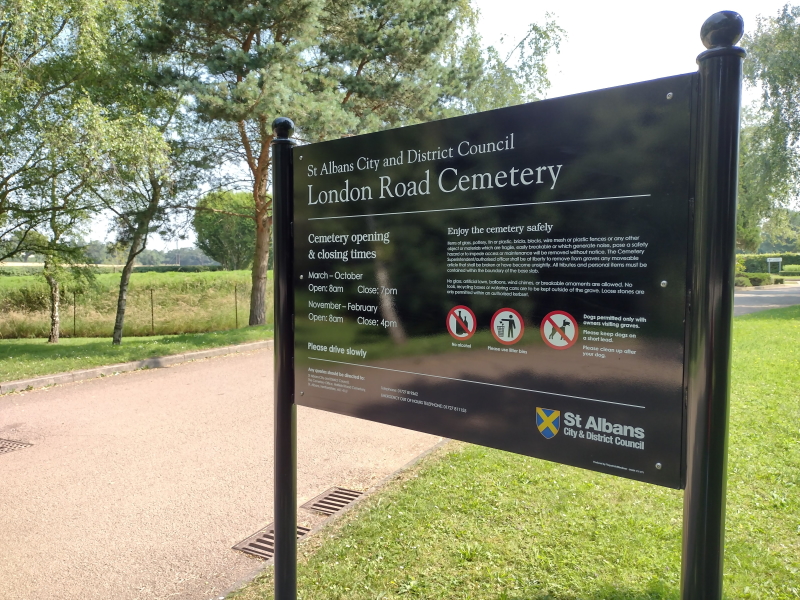
- Identification signs are simple, straightforward and quick to interpret. They identify what a space, landmark, room or location is, such as a sign that specifies the name of a building or space or a plaque or entrance sign so visitors know they are in the intended location.
- Warning signs add important information to wayfinding systems and might indicate an emergency evacuation route, a staff-only access door, or any boundaries, hazards or risks site users must be informed of.
Incorporating the right mixture and frequency of signage within a wayfinding system will ensure it works well, without any missed opportunities to provide visitors with information to make their experience a positive one.
Site managers might wish to think about how a wayfinding system will add value and to whom. For example, will most visitors use wayfinding to navigate their way, to orient themselves as to where they are now, or to find landmarks, services or places they are trying to access?
The Importance of Effective Wayfinding Systems
As we’ve discovered, wayfinding adds real value to visitors and site users and can make it significantly easier to visit a large, complex, or busy facility or centre without any potential to become lost or confused.
In high-footfall environments such as shopping centres and outdoor events, wayfinding acts as a form of crowd control and keeps visitors moving in the correct direction – helping visitors find seating in an event venue is a good example.
Commercial wayfinding signage used in airports, tourist attractions and other public-access spaces can also be used to reinforce marketing and attract visitors to key spaces, such as exhibitions, kiosks, cafes or gift shops – ensuring visitors don’t bypass these amenities inadvertently.
Finally, wayfinding means a visitor enjoys being in a facility or is able to navigate quickly and seamlessly, ensuring customers are more likely to return or that clients find a site accessible and stress-free.
For more information about the value of great wayfinding systems, the types of signage most suited to your wayfinding strategy, or how to improve your current wayfinding performance, you are welcome to contact the signage experts at Fitzpatrick Woolmer for further guidance.