Rewilding has become a much-talked-about topic in conservation and environmental terms. It also has key applications in land and forestry management, protecting biodiversity, improving the health of our ecosystems and air quality, and preserving unique species and wildlife that are endangered.
The core focus of rewilding is to allow nature to manage its own processes, shaping the land through waterways and animal activity and ensuring ecosystems and landscapes heal and repair themselves—rather than relying on human interventions to try and force open spaces, parks, rivers, woodlands, forests, and lakes to conform to any specific shape, structure, or size.
In the UK, diverse and vast areas are subject to rewilding projects. These include shrublands, peatlands, meadows, woods, and seagrass ecosystems, all of which support countless species of plants, animals, and insects and can also directly benefit the people who live nearby.
How is Rewilding Beneficial in the UK?
We often think of major shifts in attitudes to conservation and environmental issues as happening further afield, but the microclimates, incredible biodiversity, and landscapes across Britain can benefit enormously from greater rewilding.
Rewilding can improve air quality, combat climate change, and reduce pollution by supporting healthy activity within peatlands, salt marshes, and forests, which naturally absorb carbon.
Studies have shown that if just 30% of the natural heaths, grasslands, woods, and peatlands across the UK were rewilded, they could capture and store 12% of the total carbon emissions we produce year on year. Projects at Steart Marshes in Bridgwater have stored an incredible 18,000 tons of carbon in just four years.
Non-Environment Advantages of Rewilding
Although the main priority in rewilding is to reverse biodiversity losses, help wildlife species recover, and ensure ecosystems are protected for the future, several positive outcomes unrelated to biodiversity and the environment can also be achieved.
They include:
- Improvements to human health and welfare, where natural landscapes and environments and open-air public spaces can rapidly improve feelings of peace and relaxation, and the ability of local people to walk, run, or enjoy time outdoors in the fresh air with their children.
- Greater economic investment, with rewilding projects supporting agriculture through livestock management, providing educational opportunities for schools, nurseries and colleges, and contributing to eco-tourism, with businesses like campsites, glamping venues, cafes, shops and pubs all seeing an uptick in visitor numbers.
Outdoor centres and nature reserves are great examples. Combining education and knowledge of rare local species or ancient trees and plant life also generates the income to sustain these venues through bike hire, entrance fees, and donations alongside revenues raised through on-site amenities.
Examples of Successful UK-Based Rewilding Projects
Several case studies show how rewilding and allowing places to become self-sustaining can have astonishing outcomes by removing manmade structures, reintroducing species that had been relocated or driven close to extinction, and replanting native local shrubs, trees, and other plants.
If you’d like to inspire your rewilding efforts, you can draw on these examples, where groups, owners and organisations have both proven how rewilding can work and also benefited commercially or economically from the efforts:
- Knepp is a 3,500-acre East Sussex estate that started rewilding 20 years ago, today with rare birds such as nightingales and turtle doves, Exmoor ponies and fallow deer. The estate also provides glamping, camping, nature safari experiences, a wilding kitchen, and a shop.
- The Natural History Museum’s Urban Nature Project has used rewilding principles to create better biodiversity in the heart of London. The space is used for educational visits, is a major national attraction, and works alongside the Prince’s Trust.
Importantly, visitor venues, outdoor centres, and nature trails can all introduce elements of rewilding to boost interest in their spaces, contribute to biodiversity and potentially even attract native species back to their land.
Introducing Rewilding to Your Centre or Site
Rewilding isn’t subject to barriers of participation, and leading experts have noted that even individual households can get involved, leaving parts of their gardens to grow naturally, putting out a window box, or creating wildlife ponds that flourish and thrive with little maintenance or attention.
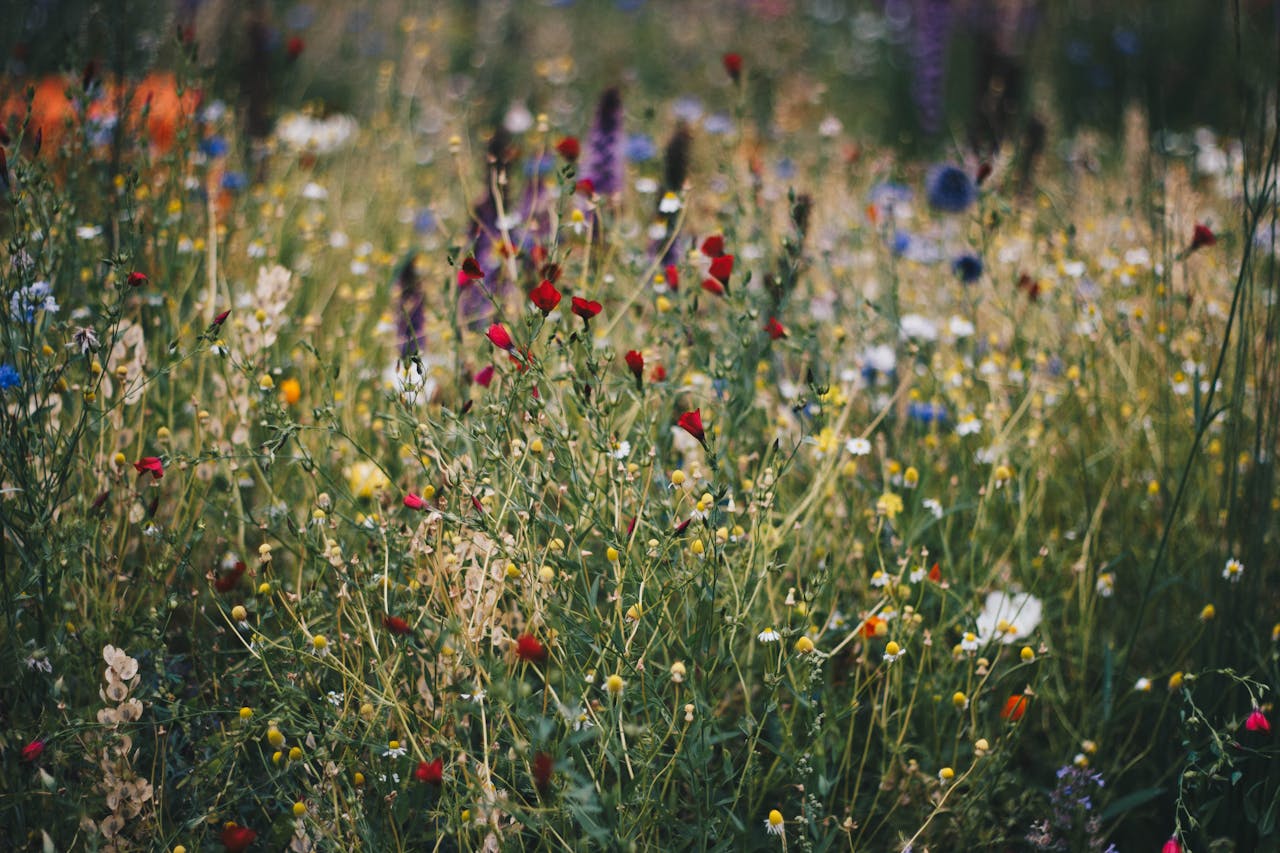
Ponds and waterways are great ways to develop habitats rich in wildlife while planting wildflower seeds or leaving patches of lawn and outdoor grass to grow naturally works well. However, since the 1930s, an enormous 97% of wildflower meadows have been lost.
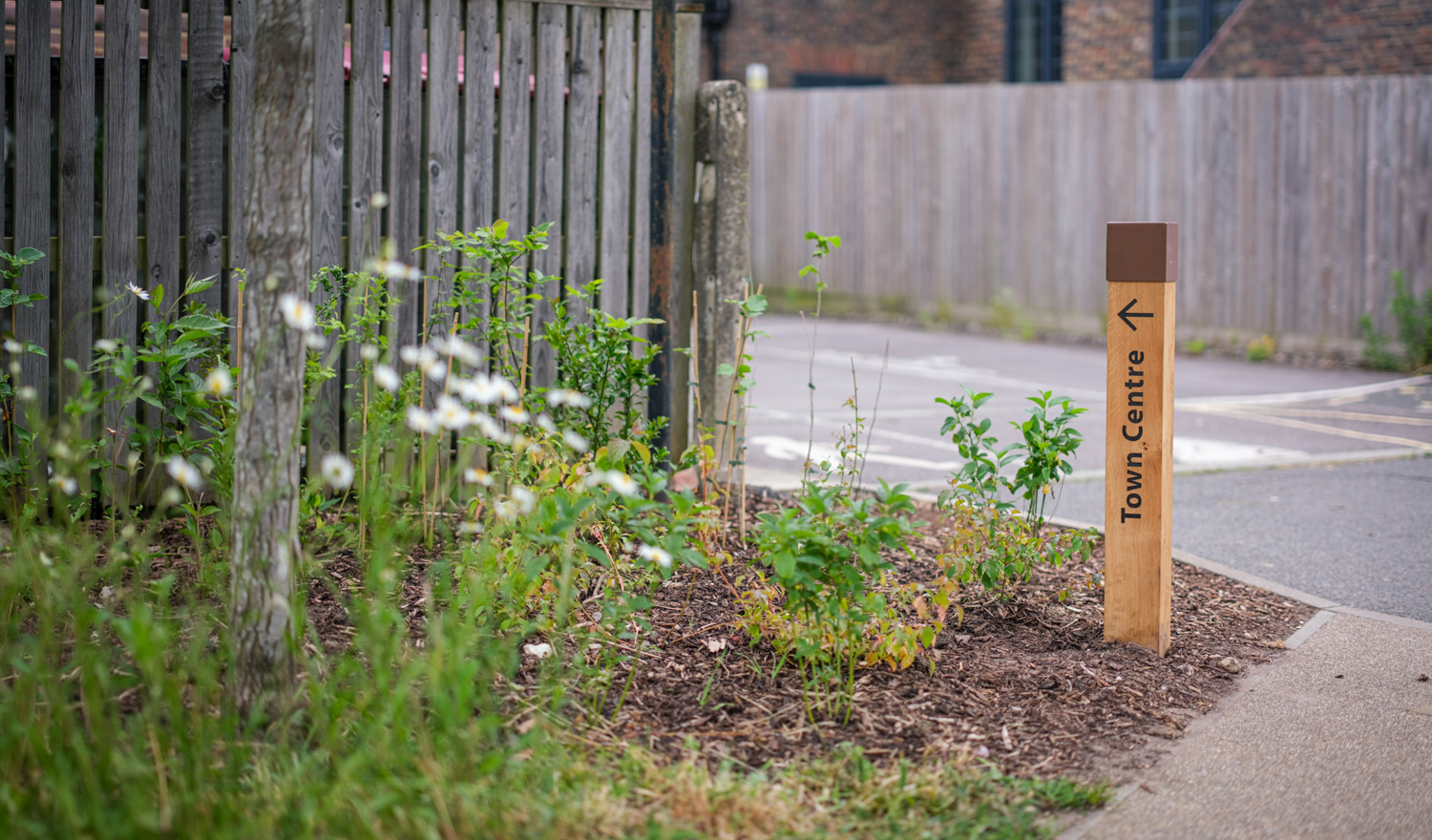
In each scenario, you can eliminate chemicals, stop mowing grass, choose plants that attract bees and butterflies, and even create passageways through fences and boundaries to enable wildlife to pass through undisturbed.
Fitting homes for wild birds and bats is also a great option. Many visitor centres have installed cameras to showcase the activity of these local species via their websites or social media platforms. They use these images as part of their marketing or to offer educational visits to local schools and groups.
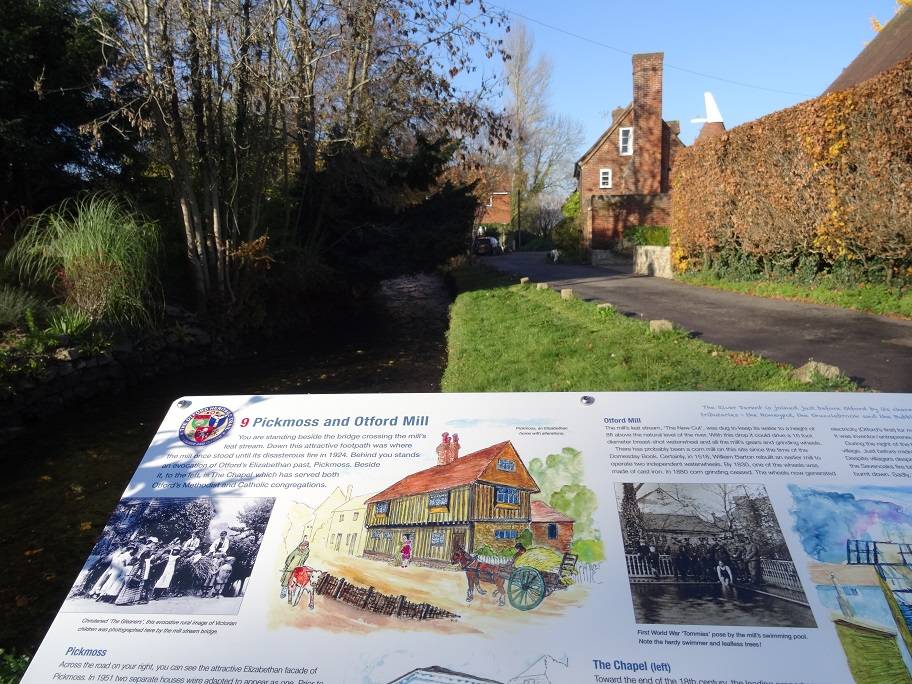
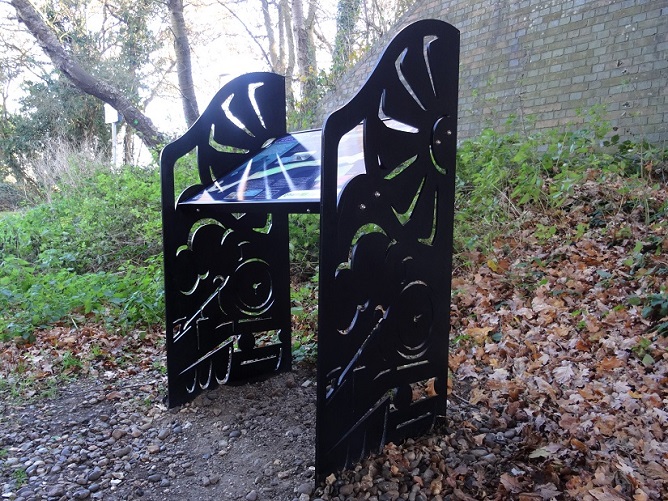
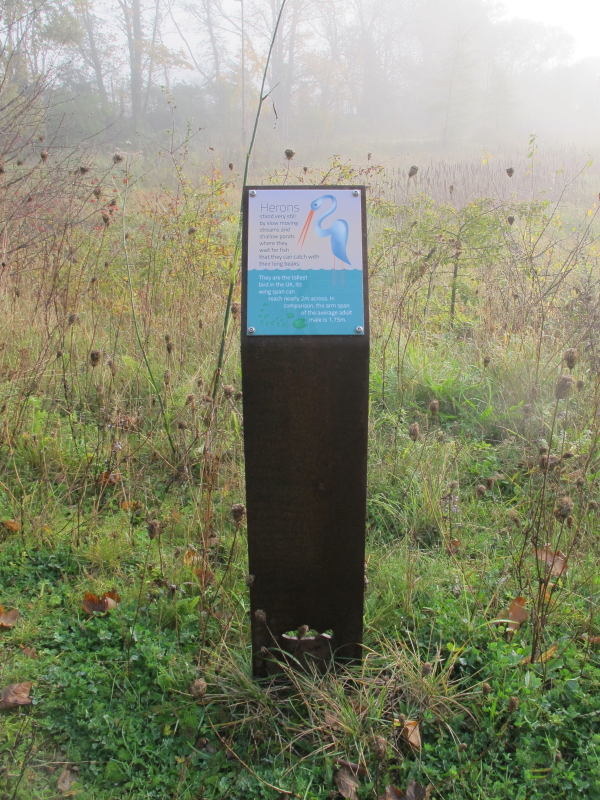
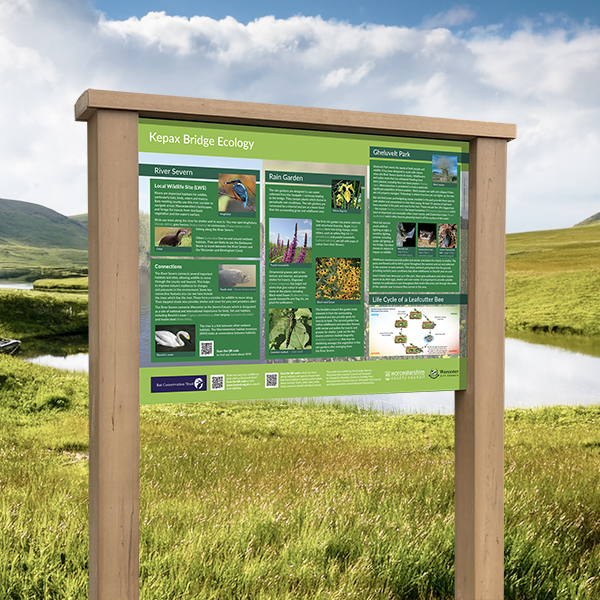
Another fantastic way forward is to think about how you utilise the space within your venue or visitor centre and encourage site users to explore, learn about the animals, plants, trees and shrubs in your space, and engage with your signage and display boards to find interesting, unique and insightful facts that can enrich their experiences.
Using High-Quality Signage to Share Messaging About Rewilding Projects
Whether you have the space and capacity to restore ancient woodland, drive interest in native wetlands, or create havens for rare species to thrive, every effort helps to generate more excitement and interest in rewilding and how this allows us all to live healthier lives supported by cleaner air and greater biodiversity.
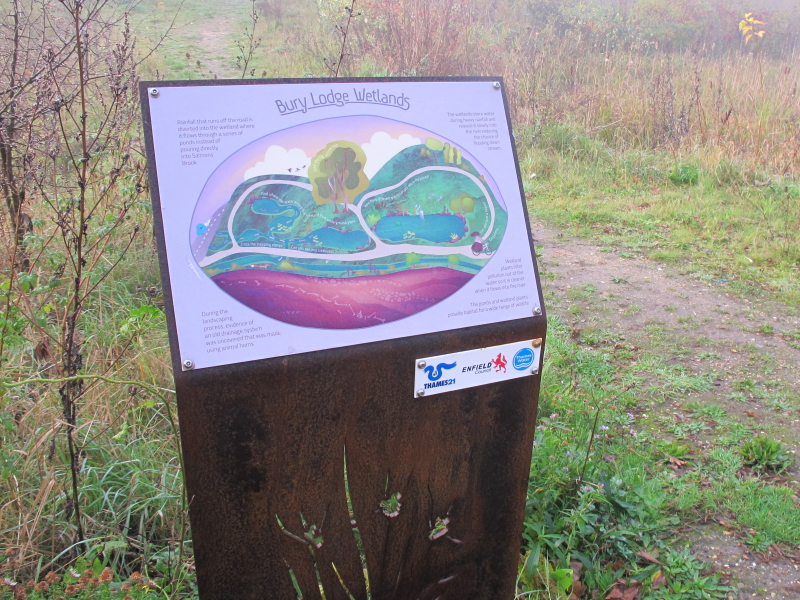
Using clear communications and signage is key, explaining why you are rewilding, how it matters, and sharing tips to support your efforts – such as leaving leaf piles undisturbed to avoid upsetting a local prickle of hedgehogs or keeping an eye out for a unique bird song or call that will indicate a rare or endangered species is close by.
If you’d like more advice about creating visitor signage, displays, and educational information boards for your rewilding project, please contact Fitzpatrick Woolmer at your earliest convenience.
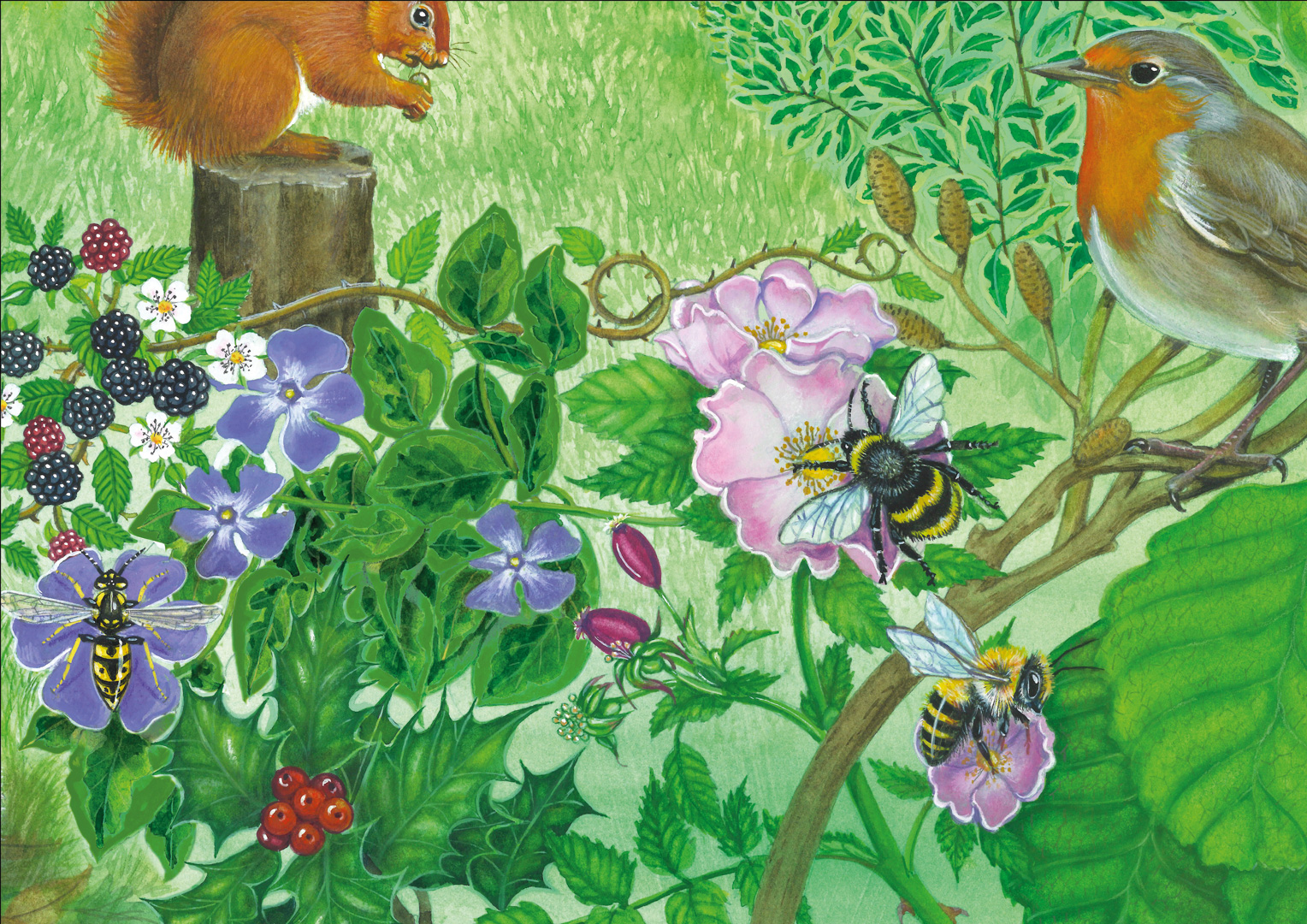
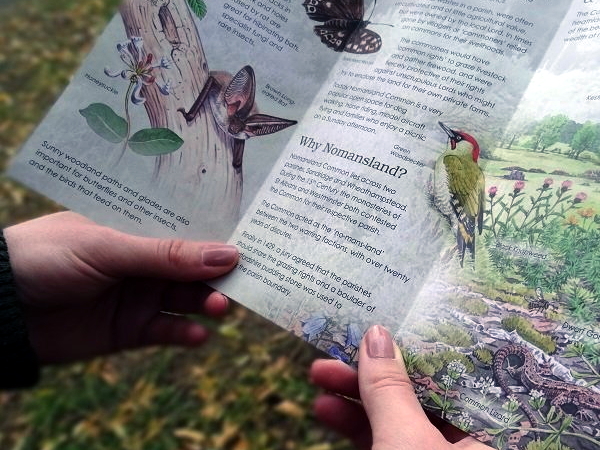
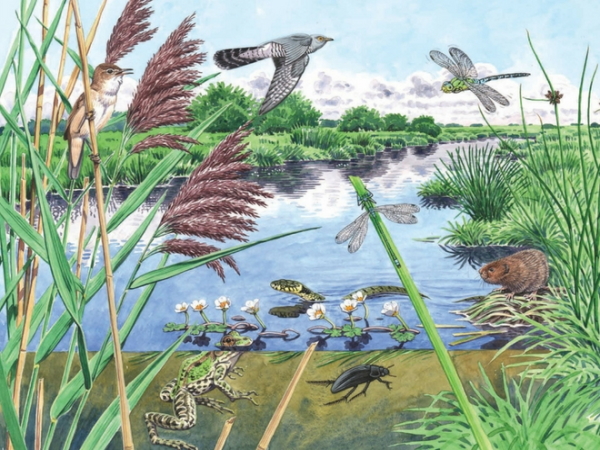
We’ll be delighted to share examples of our previous work, including beautiful illustrations and graphics that bring the significance and value of our local wildlife and habitats to life.